







prevention-icon

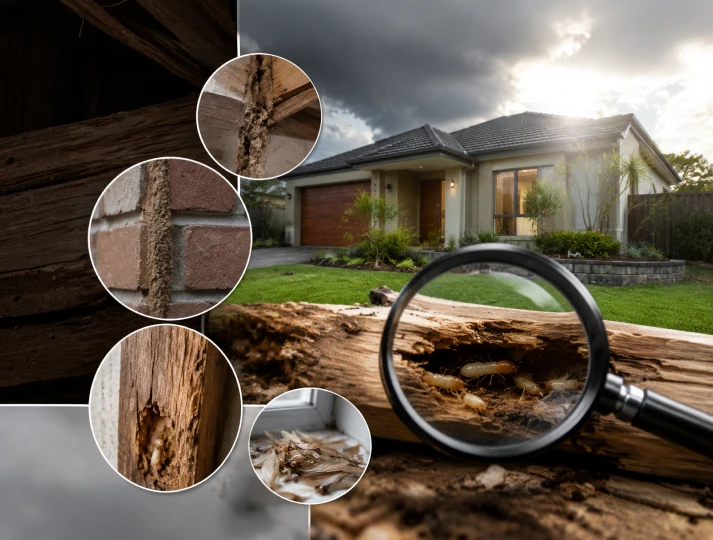
Termites

prevention-icon

Ants

prevention-icon

Cockroaches

prevention-icon

Spiders

prevention-icon

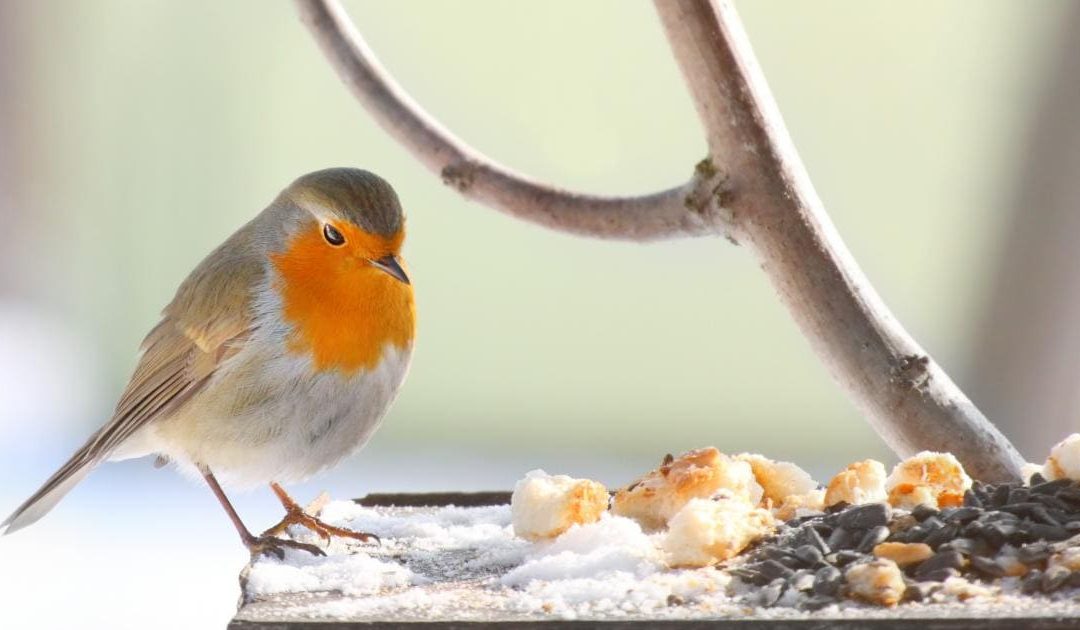
Birds

prevention-icon

Bed Bugs

prevention-icon

Bees & Wasps

prevention-icon

Rats & Mice

prevention-icon

Possums

prevention-icon

Biting Insects

prevention-icon

Disinfection Services

Choosing the Right Adelaide Pest Control Company: What to Consider

Choosing the Right Adelaide Pest Control Company: What to Consider

Adelaide homes and businesses face a wide range of pests throughout the year, from termites and ants in the warmer months to rodents seeking shelter in winter. With so many pest control companies across the city, choosing the right one can be confusing. This guide walks you through the practical considerations to help you choose a pest control company in Adelaide with confidence.


Why does choosing the right pest control company matter?

Choosing the right pest control company matters because the quality of the work affects your home, your health and your budget. Poor treatment can leave pests active, while skipped steps in timber pest management can lead to costly, hard-to-reverse damage.

Pests such as termites can cause serious structural damage to Adelaide homes if activity is missed or handled poorly. Rodents and cockroaches bring health risks into the kitchen and living areas. A licensed, experienced company gives you a better chance of a lasting result, with honest advice about what to expect. The cheapest option is not always the best value, especially when a low price hides a limited inspection or no follow-up.


Is the pest control company licensed and insured?

Yes, you should always check that the company is licensed and insured before booking. In South Australia, technicians who apply pesticides must hold the appropriate pest management licence, and a reputable company will carry public liability insurance to cover any on-site issues.

Ask to see proof of licensing and insurance before work begins. Membership of the Australian Environmental Pest Managers Association (AEPMA) is another sign of a company committed to industry standards. If a company hesitates to show these details, consider it a warning sign and look elsewhere.


Does the company know Adelaide’s local pests?

A good pest control company should know the pests common to Adelaide and how they behave throughout the year. Local knowledge matters because Adelaide’s climate, housing styles, and common pests differ from those in other parts of Australia, so a company that has worked across greater Adelaide for many years will understand seasonal pest patterns and the building types found in local suburbs.

Older bluestone and sandstone cottages in suburbs like Norwood, Unley and Prospect can have gaps that let pests in. Foothills suburbs such as Stirling and Aldgate see more Portuguese millipedes, while coastal areas like Glenelg and Henley Beach have their own pressures. Years of local work mean a technician can quickly assess a property and suggest the right approach. Allstate Pest Control has served greater Adelaide for more than 35 years.


What pests and services does the company cover?

A good pest control company should cover the full range of pests common in Adelaide homes and businesses, as well as specialist services such as termite inspections. Choosing one provider for most of your needs saves time and keeps your pest history in one place.

Look for a company that handles:

Allstate Pest Control covers residential and commercial work across Greater Adelaide. Having one company handle both general pests and specialist timber pest inspections means the advice you receive stays consistent.


Does the company inspect your property before treatment?

Yes, a proper inspection should always come before any treatment. A technician needs to find where pests live, breed and feed so the treatment targets the right areas rather than applying products at random.

A thorough inspection looks at entry points, moisture sources, nesting sites and the surrounding environment. For timber pests, this step is especially important. After the inspection, the company should explain what they found and outline the suggested treatment in plain language. Be cautious of any company that quotes a price without first seeing the property. Allstate starts each job with an inspection and explains the findings before any work begins.


Is the pricing clear and upfront?

Clear pricing is a sign of a trustworthy pest control company. You should receive a quote that sets out what is included, with no surprise charges added later.

Some jobs suit a fixed starting price, while others need an assessment first. Allstate Pest Control offers a free assessment for termite and bird work, and publishes starting prices for many services, such as spider treatments from $253 and bed bug treatments from $88. All prices include GST, and terms and conditions apply. The cheapest quote is not always the best value, so balance the price against the inspection, experience, and service you receive.


Are the treatments safe for your family and pets?

Treatment safety is a fair concern, especially in homes with children or pets. A licensed technician uses products at the correct rate and gives you simple steps to follow, such as staying out of the serviced area until it has dried.

Ask how the products are applied and whether you need to keep pets or children away from certain areas for a short time. A professional company will give clear safety advice and choose treatments suited to your situation. Many of Allstate’s treatments are targeted to the areas where pests live and feed, which keeps product use focused. Safe handling comes down to correct training and licensing, which is another reason to check credentials.

What do reviews and reputation tell you?

Reviews give you a window into how a company looks after its customers. Look for detailed feedback about punctuality, clear communication, fair pricing and whether the treatment worked, rather than star ratings alone.

Read recent reviews across Google and other platforms, and pay attention to patterns rather than any single comment. Consistent praise for thorough inspections and helpful technicians is a good sign. A long track record in Adelaide, combined with steady positive feedback, points to a company you can rely on. Allstate Pest Control is one of the most reviewed pest control companies in Adelaide.


Does the company follow Australian Standards for termite work?

For termite work, a company should follow the relevant Australian Standards. These standards set out how inspections and management should be carried out, which gives you confidence that the work meets a recognised benchmark.

Australian Standard AS 3660 covers termite management, while AS 4349.3 covers timber pest inspections for property purchases. Research by CSIRO has long informed our understanding of and management of termites in Australian conditions. A company that works to these standards is taking timber pests seriously. This approach helps reduce the chance of termite damage to your home and supports your home’s defence against termites over time.

Questions to ask before you book

Before you book a pest control company in Adelaide, a short list of questions can save you trouble later. Ask:

  1. Are your technicians licensed and insured in South Australia?
  2. How many years have you worked across Greater Adelaide?
  3. Will you inspect my property before quoting?
  4. What does the price include, and are there any extra costs?
  5. What safety steps should I take for my children and pets?
  6. Do you offer ongoing or follow-up service if pests return?

Why local knowledge matters for Adelaide pest control

Adelaide’s pests follow the seasons, so local knowledge helps a company time treatments well. Warm northerly conditions can bring termite activity, summer heat drives spiders and wasps into homes, and cooler months push rodents indoors for shelter.

Suburb-level differences matter too. Homes in the foothills around Stirling and Blackwood face more millipedes and spiders, while inner suburbs such as Norwood and Unley have older homes with cavities that suit rodents and cockroaches. Coastal suburbs like Glenelg deal with their own mix of pests. A company that operates across greater Adelaide every day understands these patterns and can plan treatments accordingly.


Why choose Allstate Pest Control?

Allstate Pest Control has served greater Adelaide for more than 35 years, covering homes and businesses across the city and surrounding regions. The team is licensed, experienced and focused on careful inspections and clear advice.

Allstate starts each job with a thorough inspection, explains the findings in plain language, and offers free assessments for termite and bird work. Treatments are targeted to where pests live and feed, and services cover ants, cockroaches, spiders, rats and mice, bees and wasps, bed bugs, birds, possums and timber pests. For termites, the team works to comply with Australian Standards to help reduce the risk of termite damage to your home. With a strong local reputation and decades of experience, Allstate Pest Control is a sensible choice for pest control across Adelaide.

Choosing the right pest control company in Adelaide comes down to licensing, local experience, a proper inspection and clear pricing. Take a little time to check these, and you will find a company you can rely on for the long term.

Frequently Asked Questions

How often should you have pest control done in Adelaide?

Most Adelaide homes benefit from a general pest treatment once a year, often in spring before pest activity rises. Properties with ongoing issues or nearby bushland may need more frequent visits, which a technician can advise during the inspection.

Do you need to leave your home during a pest control treatment?

For most general treatments, you can stay home, though you may be asked to keep out of serviced areas until they dry. Your technician will give clear instructions based on the products used and the areas being worked on.

Is professional pest control better than doing it yourself?

DIY products can help with minor issues, but they often miss nesting sites and the source of the problem. A licensed technician inspects the property, targets the right areas, and uses professional products, which usually yield longer-lasting results.

How long does it take for a pest control treatment to work?

You may see some pests become active soon after a treatment as they move through serviced areas, with numbers dropping over the following days. Timing varies by pest and property, so ask your technician what to expect for your situation.

What should you do to get your home ready before a treatment?

Simple steps help, such as clearing clutter, moving pet bowls and giving the technician access to areas like the kitchen, roof void and garden edges. Your pest control company will share a short list of preparation tips when you book.

Choosing the Right Adelaide Pest Control Company: What to Consider

Bird Control That Works Without Harming the Environment

Birds are part of life across Adelaide, but when pigeons, starlings or sparrows settle on your roof, in your gutters or under your solar panels, they can cause real problems. The good news is that bird control in Adelaide can humanely deal with problem birds without injuring them or disrupting the wider environment. This guide covers non-lethal, humane bird control for Adelaide homes and businesses, and how Allstate Pest Control handles it across greater Adelaide.


What does humane bird control mean?

Humane bird control means managing problem birds using non-lethal methods that deter or remove them without injury. It also means respecting native species, which are protected by law, and choosing techniques that reduce mess and health risks rather than relying on poisons.

Rather than hurting birds, humane bird control focuses on exclusion and deterrence. Netting, spikes and proofing make a building unattractive to birds and encourage them to move on to a more suitable spot. Where birds do need to be removed, careful trapping and handling keep their welfare in mind.

Why is humane bird control important in Adelaide?

Humane bird control is important in Adelaide because many local birds are native and protected under South Australian wildlife law. Responsible bird control targets introduced pest birds and uses non-lethal methods, so you solve the problem without breaking the rules or harming protected species.

The birds that most often cause trouble around Adelaide properties are introduced species, such as feral pigeons, common starlings, house sparrows and common mynas. These birds gather in large numbers and foul buildings. Native birds, including magpies and lorikeets, are protected, so they should not be harmed. A licensed pest technician can identify the species involved and choose an approach that suits both your property and the law.


What problems do pest birds cause for Adelaide homes and businesses?

Pest birds cause more than just noise. Their droppings damage paintwork and metal, create slip hazards on paths, and can carry bacteria, while their nests block gutters and downpipes and can bring in mites and fleas.

Common problems include:

  • Droppings that stain walls, corrode metal and make paths slippery
  • Nesting material that blocks gutters, downpipes and roof vents
  • Birds and nests under solar panels, which reduces airflow and panel efficiency
  • Health risks from dried droppings and from bird mites and fleas that live in nests
  • Constant noise, often early in the morning
  • Damage to gardens, signage and outdoor seating areas


What humane bird control methods actually work?

The most effective humane bird-control methods prevent birds from landing and nesting without harming them. They include bird netting, bird spikes, wire systems, visual bird deterrents, bird proofing and, where needed, humane trapping and removal.

  • Bird netting: a physical barrier that excludes birds from rooftops, courtyards, balconies and warehouse spaces. Different mesh sizes suit different birds, and netting can be matched to the building to keep it discreet.
  • Bird spikes: fitted to ledges, gutters and beams, spikes create an uneven surface so birds can’t settle. They discourage landing without injuring the bird.
  • Post and wire systems: thin tensioned wires on ledges and signage that make the landing unstable. They are barely visible from the ground.
  • Visual deterrents: reflective items and other visual cues that make an area feel unsafe for birds.
  • Bird proofing and exclusion: sealing gaps, vents and entry points so birds can’t get into roof voids and cavities.
  • Humane trapping and removal: where birds need to be taken away, a cage with food, water and shelter keeps the process humane before removal.
  • Bird nest removal: clearing old nests and material so birds are less likely to return to the same spot.
  • Low-profile electric track: a discreet track that gives a mild deterrent on landing, without injuring the bird.

How do you stop birds from nesting under solar panels?

Birds are kept from nesting under solar panels by fitting bird mesh around the edge of the panels. This solar panel bird-proofing block prevents access to the gap beneath the panels without affecting how the panels sit or perform, and it stops droppings and nesting debris from building up out of sight.

The space under solar panels is warm, sheltered and hidden from predators, which is why pigeons and other birds like to nest there. Left alone, the mess can reduce airflow, stain the roof and attract mites. Bird mesh for solar panels is a non-lethal, discreet way to close that gap, and it is one of the more common bird-proofing jobs on Adelaide rooftops.

How does professional bird cleaning protect your health?

Bird droppings and old nests can carry bacteria and provide a home for mites and fleas, so professional cleaning is an important part of bird control. Safe removal and sanitisation of affected areas reduces health risks and prevents corrosion and staining from worsening.

Droppings should not be swept up dry, as this can release particles into the air. A professional uses the appropriate protective gear and cleaning methods to safely remove droppings and nesting debris. Allstate offers cleaning services alongside bird control, so affected areas are left clean and protected against future bird activity.

How does a bird control visit work?

A bird-control visit starts with an inspection rather than a quick fix. The technician identifies the bird species, finds where they roost and nest, and checks access points before suggesting the right mix of deterrents and removal.

  1. Inspection: the technician assesses bird activity, nesting sites and entry points across your property.
  2. Tailored plan: you receive advice on the methods that suit your building, such as netting, spikes or proofing.
  3. Installation and removal: deterrents are fitted, nests are cleared, and any birds that need removal are handled humanely.
  4. Cleaning: affected areas are cleaned and sanitised where needed.
  5. Follow-up: Ongoing checks keep deterrents working over time.

Why local Adelaide knowledge matters for bird control

Local knowledge helps because different parts of Adelaide deal with different birds. Coastal suburbs see more gulls, inner suburbs and shopping strips attract pigeons, and rooftops right across the city face birds nesting under solar panels.

Pigeon control in Adelaide is often busiest around food courts and older buildings in the city and inner suburbs such as Norwood and Prospect. Gulls are more of an issue near the coast at Glenelg, Henley Beach and Semaphore. Starlings and sparrows nest in roof voids in homes across the suburbs, which is where bird removal in Adelaide often starts. A technician who works across greater Adelaide every day knows which birds to expect and which humane methods are best suited to local buildings.


Why choose Allstate Pest Control for bird control in Adelaide?

Allstate Pest Control has provided bird control in Adelaide for more than 35 years, using humane methods for homes and businesses alike. The team focuses on non-lethal deterrents, careful bird removal and proper cleaning, with respect for protected native species.

Allstate offers bird work and uses a range of humane removal and prevention techniques, including bird netting, spikes, wire systems, and bird-proofing. Commercial bird control is available alongside residential work, and cleaning services ensure droppings and nesting debris are handled safely. Where charges apply, prices include GST and terms and conditions apply. With decades of local experience, Allstate is a sensible choice for bird control that works without harming the environment.

Managing birds the right way means choosing humane, non-lethal methods, respecting protected native species, and cleaning up safely afterwards. Get those things right, and bird control in Adelaide can reduce bird problems on your property for the long term, without harming the birds or the surrounding environment.


Frequently Asked Questions

Do bird spikes and netting hurt the birds?

No, when fitted correctly, bird spikes and netting do not hurt birds. Spikes make a surface awkward to land on, while netting blocks access to an area, so the birds simply move on to somewhere more suitable.

How do you get rid of birds in your roof?

Birds in a roof are usually managed by removing any nesting material, then sealing the entry points so they can’t get back in. Because roof work can be tricky and may involve protected species, it is safer to have a licensed technician handle the removal and proofing.

How can you keep birds away from your home?

Simple steps help, such as removing food scraps, covering bins, emptying bird baths and clearing nesting spots early. For ongoing issues, deterrents like spikes, netting or proofing give a longer-lasting result than home remedies alone.

Are bird control methods safe for pets and children?

Yes, physical deterrents such as spikes, netting and wire systems pose no chemical risk to pets or children. Your technician will also give clear advice about any areas to keep clear during installation or cleaning.

Can you remove a bird's nest yourself?

You can clear nests left by introduced pest birds, but native birds and their nests are protected in South Australia, so they should be left alone. If you are unsure which species you have, it is safer to ask a licensed pest technician first.

How Much Does Pest Control Cost in Adelaide?

How Much Does Pest Control Cost in Adelaide?

If you have spotted cockroaches in your kitchen, noticed rodent droppings in the garage, or found suspicious mud tubes along a skirting board, the next question is usually the same: how much will this cost?

Pest control pricing in Adelaide is not one-size-fits-all. The cost depends on which pest you are dealing with, the size of your property, how long the problem has been developing, and the type of treatment needed. This guide breaks down realistic pricing across common pest types, explains what drives costs up or down, and helps you understand what to expect when you contact a licensed pest control company like Allstate Pest Control in Adelaide.

What Factors Affect Pest Control Costs in Adelaide?

Before looking at numbers, it helps to understand what influences pricing. Most pest control companies in Adelaide calculate their quotes based on a few consistent factors.

Property size is one of the biggest drivers. A small apartment takes less time and product to treat than a four-bedroom home with a subfloor, roof void, and large outdoor area. More space means more labour and more product.

The type of pest matters significantly. Common insects like ants, cockroaches, and silverfish are generally straightforward to address. Termites, on the other hand, require specialist equipment, detailed inspections, and specific treatment systems, all of which add to the overall cost.

Severity of the infestation plays a direct role. A minor, early-stage problem is quicker to address than one that has been building undetected for months. Catching an issue early almost always costs less than managing one that has spread.

Treatment type also affects the final price. A basic spray for crawling insects costs considerably less than a full perimeter chemical barrier for termites. Baiting systems, reticulation systems, and thermal imaging inspections all sit at different price points.

General Pest Control Costs in Adelaide

For standard pest treatments covering cockroaches, ants, spiders, and silverfish, costs vary depending on the specific pest and the size of your property. At Allstate Pest Control, treatments start from $253 for spiders and from $440 for ants and cockroaches, with final pricing confirmed after an on-site assessment.

These treatments usually involve a combination of surface spraying, dusting in roof voids or subfloors, and targeted baiting where needed. Most licensed companies will inspect the property before treating, and some include a follow-up visit in the initial price.

For properties with multiple pest concerns or larger floor areas, pricing is best confirmed through an assessment so the treatment scope can be accurately defined.


General pest control: Cockroaches, ants, spiders, silverfish

Service Pest Type Starting From
Targeted spray, dust and bait treatment Cockroaches From $440
Targeted spray, dust and bait treatment Ants From $440
Targeted treatments to where spiders live, breed and feed Spiders From $253
Survey, inspection and proposal Bed Bugs From $88
Biting insects treatment Fleas / Biting Insects From $88
Disinfection services Disinfection From $418

Termite Inspection Costs in Adelaide

A standalone termite inspection in Adelaide starts from $275 for a detailed residential inspection. A free assessment and treatment proposal is also available, subject to conditions. The price varies depending on the property’s size and whether specialist detection equipment, such as moisture metres or thermal imaging cameras, is used.

Annual termite inspections are recommended by the CSIRO and Australian Standards for all properties, with some higher-risk homes requiring more frequent checks. In South Australia, subterranean termites, particularly Coptotermes acinaciformis and Coptotermes frenchi, are among the most damaging species found in residential properties. Getting an inspection done regularly is far less costly than addressing structural damage that builds up over time.

Termite inspections and management. Annual inspection recommended.

Service

Notes

Starting From

Termite inspection, standard residential

Moisture metres, visual check

From $275

Free assessment and proposal for treatment

Subject to terms and conditions

Free assessment

Pre-purchase timber pest inspection

Detailed report included, for property buyers

From $275

Chemical soil barrier

Perimeter treatment, existing homes, lasts 5-8 years

$2,000 – $3,500

Baiting system, install and year 1 monitoring

In-ground stations, perimeter

$2,500 – $4,000

Baiting system servicing, ongoing annual

Per year after installation

$300 – $600

Active infestation treatment

Varies by extent, depends on damage and method

$3,000 – $5,000+

Termite Barrier and Treatment Costs in Adelaide

Termite treatments sit at the higher end of the pest control pricing scale, reflecting the complexity of the work involved.

A chemical soil barrier, which involves treating the ground around and beneath your home’s foundations, typically costs between $2,000 and $3,500 for a standard residential property. This type of barrier can last between five and eight years, depending on the product used and site conditions.

Termite baiting systems, which involve placing in-ground bait stations around the property perimeter, generally cost between $2,500 and $4,000 for installation and the first year of monitoring. Ongoing annual servicing of bait stations is an additional cost, usually in the range of $300 to $600 per year.

For properties with active termite activity, treatment costs can be higher, often ranging from $3,000 to $5,000 or more, depending on the extent of the problem and what systems are required.

At Allstate Pest Control, our team assesses each Adelaide property individually. We work across suburbs including Burnside, Unley, Glenelg, Prospect, and the Adelaide Hills, where termite pressure varies by soil type and vegetation.

Rodent Control Costs in Adelaide

Rodent treatments in Adelaide, covering rats and mice, start from $440 for residential properties. The price reflects the property’s size and the number of access points that need to be addressed. Treatment usually involves placing baiting stations in key locations, identifying and sealing entry points, and advising on environmental factors that may attract rodents.

For ongoing rodent management on larger properties or commercial sites, regular servicing visits are usually priced separately.


Rodent control: Rats and mice

Service

Notes

Starting From

Residential rodent treatment includes interior and exterior assessment and treatment

Targeted to areas where they live and feed, safe for pets and children

From $440

Follow-up and monitoring visit, station check and rebait

Where ongoing activity is present

Contact for pricing

End of Lease and Other Pest Control Costs

End-of-lease pest control is a common requirement in South Australian rental agreements, particularly for properties with pets. Biting insect treatments, including flea control, start from $88. Combined general pest treatments for end-of-lease purposes are priced based on property size and scope.

Bee and wasp removal starts from $198, with licensed technicians available for emergency response. Possum removal assessments and proposals start from $99.

Booking early rather than at the last minute generally makes scheduling easier and may give you more flexible timing options.

Other services

Service

Notes

Starting From

Biting insect treatment, including flea control

Survey and proposal, terms and conditions apply

From $88

Bed bug treatment

Thorough inspection, highly effective treatment methods

From $88

Bee and wasp removal

Licensed technicians, emergency response available

From $198

Possum removal

Assessment and proposal, targeted removal, safe for pets

From $99

Bird control

Free assessment if one consultant required, tailored solution

Free Assessment

Disinfection services

Terms and conditions apply

From $418


Commercial Pest Control Costs in Adelaide

Commercial pest control pricing is broader because it depends heavily on the type of premises, the size of the site, and whether ongoing monitoring contracts are involved.

Small commercial spaces such as cafes, offices, and retail shops may pay between $300 and $800 per treatment. Larger sites, including warehouses, food processing facilities, and aged care premises, may require ongoing contracts that run into several thousand dollars per year.

At Allstate Pest Control, our commercial services across Adelaide are tailored to each site’s specific requirements, including service frequency, pest types, and any industry-specific compliance needs.


Premises Type

Service Frequency

Price Range

Small business, cafe, office, retail

Per treatment

$300 – $800

Medium to large premises, warehouse, food facility

Annual contract

$2,000 – $5,000+

Is Cheaper Always Better?

When comparing quotes from pest control companies in Adelaide, price alone is not always the most useful guide. A lower quote may reflect fewer products used, less thorough inspection, or limited follow-up.

Choosing a licensed, experienced pest controller who understands Adelaide’s local pest pressures and South Australian housing construction means the job is more likely to be done the first time properly. Allstate Pest Control has been servicing Adelaide homes and businesses for over 35 years, with a deep understanding of local conditions, soil types, and pest behaviour across greater Adelaide.


Frequently Asked Questions

How much does a general pest control treatment cost in Adelaide?

For a standard home in Adelaide, pest control for cockroaches and ants starts from $440 with Allstate Pest Control. Spider treatments start from $253. Final pricing is confirmed after a site assessment, as property size and the extent of the problem both affect the scope of work.

How much does a termite inspection cost in Adelaide?

A detailed termite inspection in Adelaide starts from $275. A free assessment and treatment proposal are also available, subject to terms and conditions. The price depends on the size of your property and whether specialist detection equipment, such as thermal imaging or moisture metres, is used during the inspection.

Does pest control cost more for larger homes?

Yes. Larger homes require more time, more product, and often more thorough inspection across multiple areas, including subfloors, roof voids, and outbuildings. Most pest control companies in Adelaide calculate pricing based on the property’s size and accessibility.

How often should I get pest control done in Adelaide?

For general pest treatments, most Adelaide homes benefit from a service every 6 to 12 months, depending on the pest pressure in the area. Termite inspections should be conducted at least annually, in line with CSIRO and Australian Standards recommendations.

How much does rodent control cost in Adelaide?

Rat and mouse treatments from Allstate Pest Control in Adelaide start at $440, covering interior and exterior assessments and treatments. Pricing includes targeted baiting in key areas, with treatments safe for pets, children, and the environment.

How much does bed bug treatment cost in Adelaide?

Bed bug treatment with Allstate Pest Control starts from $88. This covers a thorough inspection and highly effective treatment. A survey and proposal are provided before work begins, so you know exactly what is involved.

Can I get a quote before the technician visits?

Many pest control companies in Adelaide, including Allstate Pest Control, can provide a general price estimate over the phone or online based on property size and the type of pest. A confirmed quote is usually provided after an on-site inspection, once the technician has assessed the full scope of the work required.

Getting a clear, itemised quote from a licensed Adelaide pest control company is always the best starting point. If you are unsure what treatment you need or want to understand your options, contact Allstate Pest Control to arrange an inspection and discuss what makes sense for your property.

Common Entry Points for Termites in Adelaide Homes

Common Entry Points for Termites in Adelaide Homes

Termites do not need a large gap to get inside your home. In fact, they can squeeze through cracks as narrow as a few millimetres, and once they find a way in, they can work through timber quietly for months before any visible sign appears. For Adelaide homeowners, understanding where termites are most likely to enter is one of the most useful things you can know.

This article covers the most common termite entry points found in Adelaide homes, why certain construction features make properties more vulnerable, and how a professional termite inspection from Allstate Pest Control can identify risk areas before damage takes hold.

Why Adelaide Homes Are Particularly at Risk

Adelaide’s climate, soil types, and housing stock create conditions that suit subterranean termites well. The city has a significant number of older homes built with solid timber framing, and many properties have undergone extensions or renovations that may have disrupted original construction-phase termite management measures.

Subterranean termites, including Coptotermes acinaciformis, the species responsible for most structural damage across South Australia, build underground colonies and forage through soil to reach above-ground timber. They can travel several metres from their colony to find food, and they are highly capable of locating even small gaps in your home’s structure.

A thorough termite inspection in Adelaide is the most reliable way to find out whether your home has accessible entry points and whether termites have already found them.

The Most Common Entry Points for Termites in Adelaide Homes

1. Subfloor Timbers and Stumps

Homes built on timber stumps, which are common across older Adelaide suburbs, give termites a direct pathway from the soil into the structure. Timber subfloor bearers and joists sit close to or in contact with the ground in many older properties, and any untreated or ageing timber in this zone is highly attractive to termites.

Even homes that were treated at construction can develop gaps over time as the soil shifts, timber moves, or original barriers degrade. A termite inspection that includes a thorough check of the subfloor space is essential for any property on stumps or with a suspended timber floor.

2. Expansion Joints and Concrete Cracks

Concrete slab homes are not as well-defended as many homeowners assume. Termites can move through expansion joints, cracks in the slab, or gaps around plumbing and conduit penetrations in the concrete. These entry points are particularly common in older slab homes where the original chemical barrier has broken down.

Termites do not chew through concrete, but they do not need to. The natural movement of concrete over time, combined with minor cracking, gives them enough space to pass through and access the timber wall framing above.


3. Weep Holes in Brick Veneer Homes

Brick veneer construction is widespread across Adelaide’s suburban housing stock, particularly homes built from the 1970s through to the 1990s. Weep holes, the small gaps left in brickwork at ground level to allow moisture drainage and ventilation, are a well-known termite entry point.

Termites can pass through standard weep holes and travel up the cavity between the brick veneer and the internal wall frame. Because this cavity is hidden from view, termite activity here can go undetected for extended periods. Stainless-steel mesh weep hole covers are sometimes used as a physical deterrent, but older homes often lack these, and inspections should always include a check of this zone.

4. Timber in Direct Contact with Soil

Garden sleepers, fence posts, timber decking supports, and landscaping timbers that contact the soil are among the most common starting points for termite activity on a residential property. Termites will establish feeding activity in these structures first, and from there they can bridge into the main home through the soil or through timber-to-timber contact.

Removing or treating timber in direct soil contact around your property is a practical step, but it is one that works best as part of a broader termite management plan rather than a standalone measure.

5. Roof Voids and Upper Timber Structures

While subterranean termites typically enter from below, they are fully capable of working their way up through wall cavities into roof framing, rafters, and ceiling timbers. By the time termite damage is visible in the roof void, the colony is often well established in the lower parts of the structure as well.

Roof voids are an essential component of any termite inspection in Adelaide. Technicians check rafters, wall plates, and any stored timber for signs of activity or damage that may have gone unnoticed from the interior of the home.

6. Plumbing and Service Penetrations

Anywhere a pipe, conduit, or cable passes through a wall, floor, or slab is a potential termite entry point. Gaps around plumbing penetrations are often small but consistent, and termites can exploit them to move from the soil into wall cavities without passing through any treated zone.

This is especially relevant in bathrooms, laundries, and kitchens where pipes pass through the floor slab or external walls. Any moisture associated with a leaking pipe in these areas adds further attraction for termites in the surrounding soil.

7. Attached Structures and Garden Features

Pergolas, garden sheds, timber retaining walls, and even compost bins placed close to the home can act as stepping stones for termite colonies. Once termites establish activity in an attached or nearby structure, the main home becomes the next logical target. A termite inspection from Allstate Pest Control includes outbuildings and surrounding garden structures precisely because these are common starting points that homeowners may overlook.

How a Professional Termite Inspection Identifies Entry Points

A professional termite inspection in Adelaide goes well beyond a visual check of accessible timber. Allstate Pest Control’s inspections follow Australian Standards and cover the interior, subfloor, roof void, exterior perimeter, and surrounding grounds.

Technicians use moisture metres, thermal imaging where applicable, and sounding tools to detect signs of termite activity in concealed areas. The inspection produces a detailed written report that identifies any current activity, existing damage, and structural features or conditions that increase the risk of termite entry.

This information is what allows a targeted termite management plan to be put in place, one that addresses the specific vulnerabilities of your home rather than applying a one-size approach.

Why Timely Termite Inspections in Adelaide Matter

Most home insurance policies in Australia do not cover termite damage. The cost of repairing structural timber damage can reach tens of thousands of dollars, and in severe cases, the damage affects load-bearing elements of the home. CSIRO recommends at least one professional termite inspection per year as a minimum, with higher-risk properties benefiting from more frequent checks.

Early detection through regular termite inspection is far less costly than remediation after a colony has been active for months inside your walls or subfloor.

Know Where Termites Enter Before They Do

The most effective termite control in Adelaide starts with understanding your home’s specific vulnerabilities. Entry points vary between properties depending on construction type, age, landscaping, and soil conditions, and that is exactly why a professional inspection is the right starting point.

Allstate Pest Control provides thorough termite inspections across Adelaide and surrounding suburbs, with local knowledge of the construction styles and soil conditions that make each area unique. Contact the team today to arrange your inspection and take a practical step towards reducing the risk of termite damage to your home.

Frequently Asked Questions

1. How do termites get into a concrete slab home?

Termites can enter through expansion joints, plumbing penetrations, cracks in the concrete, or gaps around conduits. They do not need to damage the slab itself; they simply find existing gaps and move through them into the wall framing above.

2. How long does a termite inspection take?

Most professional termite inspections in Adelaide take between one and two hours, depending on the size and complexity of the property. Larger homes with subfloors, roof voids, and outbuildings will take longer to inspect thoroughly.

3. Can I check for termite entry points myself?

You can look for obvious signs such as mud tubes, damaged timber, or discarded wings, but a homeowner inspection cannot cover concealed areas like wall cavities, roof voids, or subfloor zones. A professional inspection from Allstate Pest Control uses specialist tools to check areas that are not visible or accessible from the surface.

4. How often should I have a termite inspection in Adelaide?

CSIRO recommends at least once per year as a minimum. Properties in high-risk areas, those near bushland or water, homes with previous termite activity, or properties with significant timber construction should consider inspections every six months.

5. What happens after a termite inspection identifies an entry point?

Your technician will outline what was found and the most appropriate course of action. This may include a chemical barrier application to treated soil around the entry point, physical barrier installation, or termite management treatment if active termites are present. Allstate Pest Control provides a written report and clear recommendations after every inspection.

Why Autumn Is the Best Time for Termite Barriers in Adelaide

Why Autumn Is the Best Time for Termite Barriers in Adelaide

Adelaide homeowners often think about termites during summer, when swarms are visible and activity is obvious. But autumn is actually the smartest time to install a termite barrier around your property. The timing lines up with termite behaviour, soil conditions, and the practical realities of getting professional work done efficiently.

If you have been putting off a termite inspection or barrier installation, here is why autumn is the season to act.

What are termites doing in Adelaide during autumn?

Termites in Adelaide are active all year round. Summer is when colonies swarm, queens lay eggs at an extraordinary rate, and worker termites push outward aggressively foraging for food. By the time autumn arrives, those summer colonies are well established and looking for a warm, sheltered place to settle as temperatures begin to drop.

Drywood termites are known to swarm in late summer and early autumn. Subterranean termites, the most destructive species in South Australia, begin moving closer to the warmth of your home’s foundations and subfloor as the mercury falls below their preferred range of 23 to 38 degrees Celsius. This shift in behaviour is exactly why autumn is the right window to act.

Catching termites at this stage, when they are transitioning from peak summer foraging into their cooler-season nesting mode, is one of the most practical things you can do as a homeowner. Installing a termite barrier during autumn means colonies moving toward your home’s structure will encounter that barrier before they can cause significant damage.

Why autumn soil conditions work in your favour

Installing a chemical termite barrier involves treating the soil around and beneath your property. The soil temperature and moisture content in autumn plays an important role in how effectively those treatments are absorbed and how well they bond with the surrounding ground.

After Adelaide’s dry summer months, the soil begins to regain moisture as autumn rains arrive. This combination of still-warm soil from summer and rising moisture levels creates good conditions for chemical treatments to spread evenly and settle properly through the ground. In the middle of winter, cold and waterlogged soil can make installation more difficult and affect the consistency of the treatment zone.

Getting the barrier installed in autumn means it is in place and properly set before the coldest months arrive, giving it time to work as colonies push further underground in winter.


What are termites up to in Adelaide this autumn? Stay one step ahead with expert advice today.

or

Summer colonies are now at their largest

A termite queen can lay tens of thousands of eggs in a single day during peak summer. By the time autumn comes around, colonies that were established in spring and summer have grown considerably. Larger colonies mean a higher volume of worker termites actively moving through soil and timber.

This matters because termite barriers work by creating a treated zone that termites pass through and carry back to the rest of the colony. A colony at full autumn size is more likely to come into contact with a freshly installed barrier, which supports long-term reduction of termite activity around your property.

Waiting until winter, when termites tunnel deeper underground and reduce surface movement, means the barrier may have less immediate impact in its first months. Autumn installation gives the barrier a stronger chance of working at a time when colony movement is still frequent.

Protect your family from Termite. Speak to an expert today.

or

Less competition for bookings, more thorough work

Pest control companies in Adelaide are typically at their busiest during spring and summer. Emergency calls, high volumes of inspections, and urgent treatments can mean tighter schedules for technicians. Autumn tends to be a quieter period for bookings, which means you are more likely to get a thorough inspection with flexible scheduling.

At Allstate Pest Control, our technicians have more time in autumn to conduct detailed inspections across subfloors, roof voids, wall cavities, and garden timbers, and to install barrier systems with proper attention to every section of your property’s perimeter.

Booking in autumn also means you are not waiting weeks for an available slot the way many homeowners do at the height of summer.


What types of termite barriers are available in adelaide?

There are two main types of termite barriers used on Adelaide properties.

Chemical barriers involve applying a liquid termiticide into the soil around and beneath the foundations of your home. Products such as Premise are well suited to South Australian soil types and construction methods. The treated zone creates a continuous band that termite workers will encounter as they forage through the soil.

Physical barriers are installed during construction and involve materials such as stainless-steel mesh or purpose-made membranes that block termite entry at the slab edge and other vulnerable points. These are most appropriate for new builds or major renovations.

For existing homes across Adelaide, chemical barriers are the most common and practical option. Allstate Pest Control has been installing these systems across South Australian properties for over three decades, with a strong understanding of local soil profiles, construction styles, and the termite species most commonly found across suburbs like Unley, Burnside, Walkerville, and the Adelaide foothills.

How often should you check your termite barrier?

A chemical termite barrier does not last indefinitely. Depending on the product used and site conditions, chemical barriers typically require renewal after several years. Annual termite inspections allow a licensed technician to assess whether the barrier remains intact and whether any activity has been detected around the property.

The CSIRO and Australian Standards recommend at minimum one annual termite inspection for all properties. In higher-risk areas, more frequent inspections may be appropriate. Keeping up with this schedule means any change in termite activity is caught early, before structural damage becomes serious.

Frequently Asked Questions

Are termites still active in autumn in Adelaide?

Yes. Termites in Adelaide are active throughout the year. As autumn temperatures cool, subterranean termites shift their behaviour and begin seeking warmth closer to home foundations and timber structures. This makes autumn an important season to have a barrier in place.

How long does a termite barrier last in Adelaide?

Chemical termite barriers typically last between five and eight years, depending on the product used, soil conditions, and local termite pressure. Regular annual inspections allow a licensed technician to assess whether the barrier is still performing as expected.


How do I know if my property already has termite activity?

Common signs include mud tubes along walls or foundations, timber that sounds hollow when tapped, discarded wings near windows and doors, and paint that is bubbling or appears uneven. If you notice any of these, contact a licensed pest control technician as soon as possible.

Can I install a termite barrier myself?

No. Termite barrier installation must be carried out by a licensed pest controller in South Australia. The process requires specialist equipment, approved termiticides, and compliance with Australian Standards (AS 3660.1 and AS 3660.2). DIY approaches will not provide the same level of coverage and may not meet legal requirements.

Autumn is a practical, well-timed season to get your termite barrier sorted before winter sets in. If your last inspection was more than 12 months ago, or if you have never had a barrier installed, contact Allstate Pest Control to book an assessment and discuss the right solution for your Adelaide property.