













Common Entry Points for Termites in Adelaide Homes
Termites do not need a large gap to get inside your home. In fact, they can squeeze through cracks as narrow as a few millimetres, and once they find a way in, they can work through timber quietly for months before any visible sign appears. For Adelaide homeowners, understanding where termites are most likely to enter is one of the most useful things you can know.
This article covers the most common termite entry points found in Adelaide homes, why certain construction features make properties more vulnerable, and how a professional termite inspection from Allstate Pest Control can identify risk areas before damage takes hold.
Why Adelaide Homes Are Particularly at Risk
Adelaide’s climate, soil types, and housing stock create conditions that suit subterranean termites well. The city has a significant number of older homes built with solid timber framing, and many properties have undergone extensions or renovations that may have disrupted original construction-phase termite management measures.
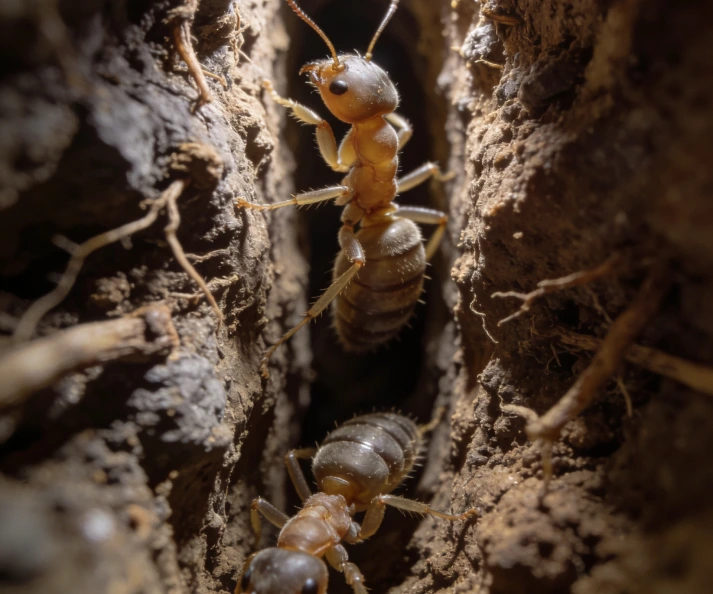
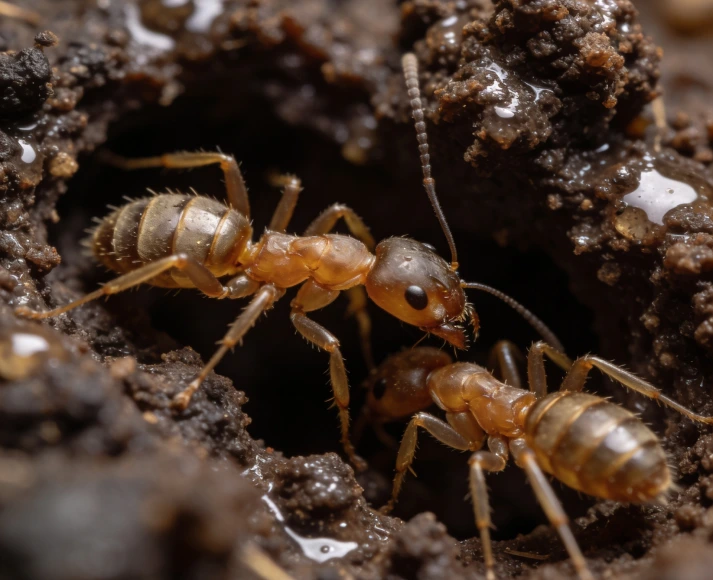
Subterranean termites, including Coptotermes acinaciformis, the species responsible for most structural damage across South Australia, build underground colonies and forage through soil to reach above-ground timber. They can travel several metres from their colony to find food, and they are highly capable of locating even small gaps in your home’s structure.
A thorough termite inspection in Adelaide is the most reliable way to find out whether your home has accessible entry points and whether termites have already found them.
The Most Common Entry Points for Termites in Adelaide Homes
1. Subfloor Timbers and Stumps
Homes built on timber stumps, which are common across older Adelaide suburbs, give termites a direct pathway from the soil into the structure. Timber subfloor bearers and joists sit close to or in contact with the ground in many older properties, and any untreated or ageing timber in this zone is highly attractive to termites.
Even homes that were treated at construction can develop gaps over time as the soil shifts, timber moves, or original barriers degrade. A termite inspection that includes a thorough check of the subfloor space is essential for any property on stumps or with a suspended timber floor.
2. Expansion Joints and Concrete Cracks
Concrete slab homes are not as well-defended as many homeowners assume. Termites can move through expansion joints, cracks in the slab, or gaps around plumbing and conduit penetrations in the concrete. These entry points are particularly common in older slab homes where the original chemical barrier has broken down.
Termites do not chew through concrete, but they do not need to. The natural movement of concrete over time, combined with minor cracking, gives them enough space to pass through and access the timber wall framing above.
 or
or
3. Weep Holes in Brick Veneer Homes
Brick veneer construction is widespread across Adelaide’s suburban housing stock, particularly homes built from the 1970s through to the 1990s. Weep holes, the small gaps left in brickwork at ground level to allow moisture drainage and ventilation, are a well-known termite entry point.
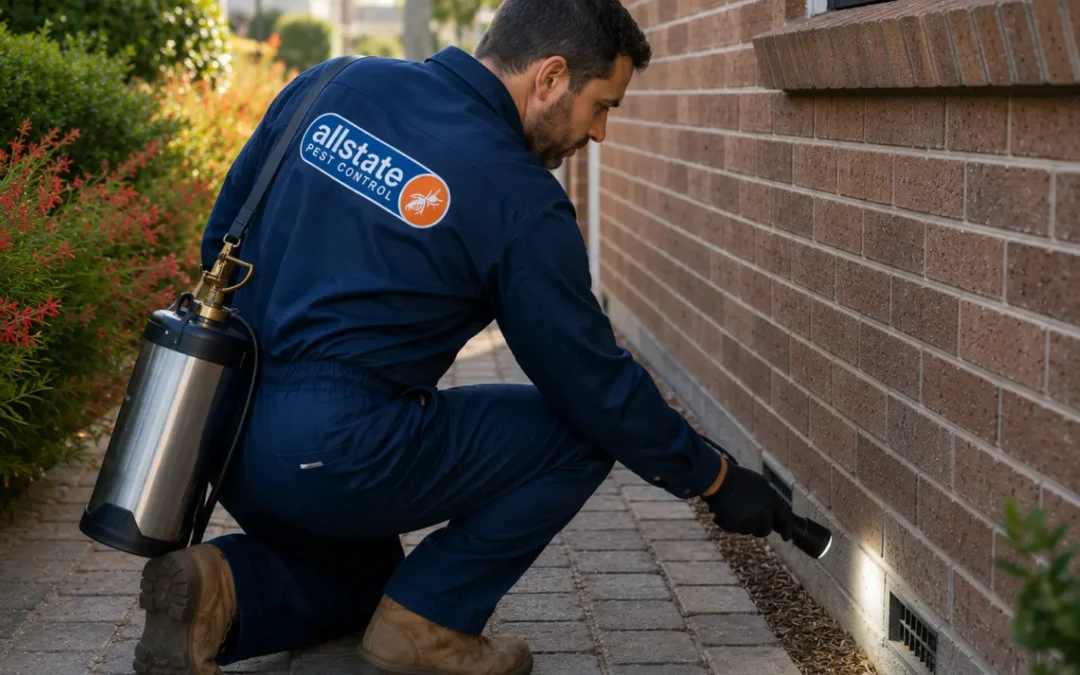
Termites can pass through standard weep holes and travel up the cavity between the brick veneer and the internal wall frame. Because this cavity is hidden from view, termite activity here can go undetected for extended periods. Stainless-steel mesh weep hole covers are sometimes used as a physical deterrent, but older homes often lack these, and inspections should always include a check of this zone.
4. Timber in Direct Contact with Soil
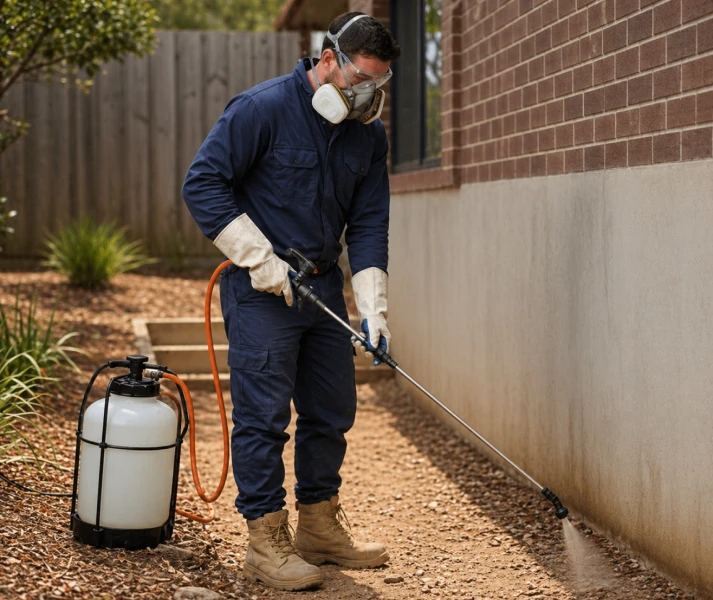
Garden sleepers, fence posts, timber decking supports, and landscaping timbers that contact the soil are among the most common starting points for termite activity on a residential property. Termites will establish feeding activity in these structures first, and from there they can bridge into the main home through the soil or through timber-to-timber contact.
Removing or treating timber in direct soil contact around your property is a practical step, but it is one that works best as part of a broader termite management plan rather than a standalone measure.
or
5. Roof Voids and Upper Timber Structures
While subterranean termites typically enter from below, they are fully capable of working their way up through wall cavities into roof framing, rafters, and ceiling timbers. By the time termite damage is visible in the roof void, the colony is often well established in the lower parts of the structure as well.
Roof voids are an essential component of any termite inspection in Adelaide. Technicians check rafters, wall plates, and any stored timber for signs of activity or damage that may have gone unnoticed from the interior of the home.
6. Plumbing and Service Penetrations
Anywhere a pipe, conduit, or cable passes through a wall, floor, or slab is a potential termite entry point. Gaps around plumbing penetrations are often small but consistent, and termites can exploit them to move from the soil into wall cavities without passing through any treated zone.
This is especially relevant in bathrooms, laundries, and kitchens where pipes pass through the floor slab or external walls. Any moisture associated with a leaking pipe in these areas adds further attraction for termites in the surrounding soil.
7. Attached Structures and Garden Features
Pergolas, garden sheds, timber retaining walls, and even compost bins placed close to the home can act as stepping stones for termite colonies. Once termites establish activity in an attached or nearby structure, the main home becomes the next logical target. A termite inspection from Allstate Pest Control includes outbuildings and surrounding garden structures precisely because these are common starting points that homeowners may overlook.
How a Professional Termite Inspection Identifies Entry Points
A professional termite inspection in Adelaide goes well beyond a visual check of accessible timber. Allstate Pest Control’s inspections follow Australian Standards and cover the interior, subfloor, roof void, exterior perimeter, and surrounding grounds.
Technicians use moisture metres, thermal imaging where applicable, and sounding tools to detect signs of termite activity in concealed areas. The inspection produces a detailed written report that identifies any current activity, existing damage, and structural features or conditions that increase the risk of termite entry.
This information is what allows a targeted termite management plan to be put in place, one that addresses the specific vulnerabilities of your home rather than applying a one-size approach.
Why Timely Termite Inspections in Adelaide Matter
Most home insurance policies in Australia do not cover termite damage. The cost of repairing structural timber damage can reach tens of thousands of dollars, and in severe cases, the damage affects load-bearing elements of the home. CSIRO recommends at least one professional termite inspection per year as a minimum, with higher-risk properties benefiting from more frequent checks.
Early detection through regular termite inspection is far less costly than remediation after a colony has been active for months inside your walls or subfloor.
Know Where Termites Enter Before They Do
The most effective termite control in Adelaide starts with understanding your home’s specific vulnerabilities. Entry points vary between properties depending on construction type, age, landscaping, and soil conditions, and that is exactly why a professional inspection is the right starting point.
Allstate Pest Control provides thorough termite inspections across Adelaide and surrounding suburbs, with local knowledge of the construction styles and soil conditions that make each area unique. Contact the team today to arrange your inspection and take a practical step towards reducing the risk of termite damage to your home.
Frequently Asked Questions
1. How do termites get into a concrete slab home?
Termites can enter through expansion joints, plumbing penetrations, cracks in the concrete, or gaps around conduits. They do not need to damage the slab itself; they simply find existing gaps and move through them into the wall framing above.
2. How long does a termite inspection take?
Most professional termite inspections in Adelaide take between one and two hours, depending on the size and complexity of the property. Larger homes with subfloors, roof voids, and outbuildings will take longer to inspect thoroughly.
3. Can I check for termite entry points myself?
You can look for obvious signs such as mud tubes, damaged timber, or discarded wings, but a homeowner inspection cannot cover concealed areas like wall cavities, roof voids, or subfloor zones. A professional inspection from Allstate Pest Control uses specialist tools to check areas that are not visible or accessible from the surface.
4. How often should I have a termite inspection in Adelaide?
CSIRO recommends at least once per year as a minimum. Properties in high-risk areas, those near bushland or water, homes with previous termite activity, or properties with significant timber construction should consider inspections every six months.
5. What happens after a termite inspection identifies an entry point?
Your technician will outline what was found and the most appropriate course of action. This may include a chemical barrier application to treated soil around the entry point, physical barrier installation, or termite management treatment if active termites are present. Allstate Pest Control provides a written report and clear recommendations after every inspection.