













How to Get Rid of Mice
Finding mouse droppings in the pantry or hearing scratching in the ceiling at night is unsettling, and it usually means more than one mouse has moved in. The good news is that working out how to get rid of mice comes down to a clear process: confirm the activity, cut off food and entry points, then use baiting or trapping to bring numbers down. This guide covers the signs of a mouse infestation, DIY mouse control methods that actually help, and when professional mouse removal is the smarter option for Adelaide homes.
Allstate Pest Control has been carrying out mouse pest control across Adelaide and South Australia since 1986, so the advice here is based on what works in local homes, from older stone villas in the inner suburbs to newer builds on the urban fringe.
Why Do Mice Come Into Adelaide Houses?
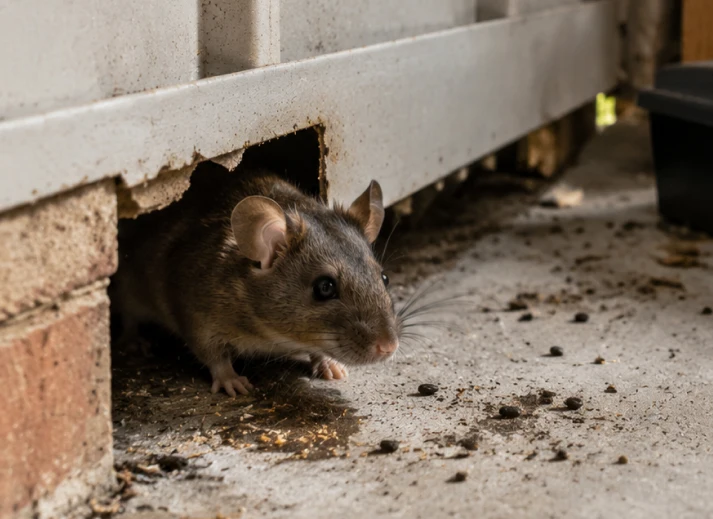
Mice come indoors looking for food, water, and warm shelter. In Adelaide, activity spikes in late summer and autumn as temperatures drop and outdoor food sources dry off. Homes near the Adelaide Hills, river corridors, and the cropping districts north of the city tend to see more pressure, because mice move in from surrounding paddocks and scrub once conditions outside turn against them.
Adelaide’s housing stock also plays a part. Older bluestone and villa-style homes often have gaps under corrugated iron rooflines, weep holes, and worn door seals. Newer homes are tighter, but gaps around plumbing, air conditioning penetrations, and garage doors still give mice a way in. A mouse only needs a gap the width of a pencil, around 6 to 7 millimetres, to squeeze through.
 or
or
What Are the Signs of a Mouse Infestation?
The signs of a mouse infestation are usually easy to spot once you know where to look:
- Droppings. Small, dark pellets about the size of a rice grain, found along skirting boards, in cupboards, behind appliances, and in the pantry. Fresh droppings are soft and dark; old ones are dry and crumbly.
- Scratching or scurrying sounds at night. Mice are nocturnal, so noise in walls, ceilings, or under floors after dark is a strong indicator.
- Gnaw marks. Check food packaging, skirting boards, stored boxes, and electrical cabling. Chewed wiring is a genuine fire risk, which is one reason mice in the house should never be ignored.
- A stale, ammonia-like smell. Mouse urine has a distinctive odour that builds up in enclosed spaces like cupboards and roof voids.
- Nests and smear marks. Shredded paper, fabric, or insulation tucked into hidden corners, plus greasy rub marks along the routes mice travel.
Seeing a mouse during the day usually points to a larger population, because daytime activity means competition for food is forcing them out.
or
How to Get Rid of Mice in the House: Step by Step
1. Remove food and water sources
Mice can live on as little as three grams of food a day, so even crumbs matter.
- Store pantry goods, pet food, and birdseed in sealed metal or hard plastic containers
- Wipe down benches and sweep floors daily while activity is present
- Fix dripping taps and remove pet water bowls overnight
- Pick up fallen fruit if you have fruit trees, and keep compost bins sealed
2. Seal entry points
Walk around the outside of your home and check for gaps at ground level, around the roofline, and where pipes or cables enter the building. Fill small gaps with steel wool backed by sealant, since mice can’t chew through it. Fit brush strips or weather seals to external doors, including the garage. In older Adelaide homes, pay attention to gaps under verandah rooflines and around original timber floors.
3. Tidy up outside
Mice use cover to move safely. Keep grass short, clear weeds and garden debris away from the house, and store firewood off the ground and away from external walls. This matters most in autumn, when mice are actively looking for a way indoors.
4. Set traps correctly
Snap traps remain the most reliable DIY option. Placement matters more than the trap itself:
- Position traps along walls with the trigger end facing the skirting board, since mice travel close to edges
- Use several traps at once, spaced a metre or two apart in areas with droppings
- Bait with peanut butter or a small piece of bacon rather than cheese
- Check and reset traps daily, and wear gloves when handling them
5. Use baits with caution
Supermarket rodenticides can help with small problems, but they carry real risks. Poisoned mice often die inside wall cavities and create odour problems, and baits are dangerous to pets, children, and native wildlife if placed carelessly. If you use bait, keep it inside a lockable station and follow the label exactly. For anything beyond light activity, this is the point where professional help pays for itself.
or
How to Get Rid of Mice Naturally
Natural methods suit people who want to avoid poisons, though they work best as support measures rather than a complete fix:
- Peppermint oil on cotton balls may discourage mice from specific spots, but it fades quickly and won’t shift an established population
- Exclusion is the most effective natural method by far. Sealing gaps and removing food deals with the cause rather than the symptom
- Live-capture traps allow release, though released mice often return unless taken well away from the property
- Natural predators like owls do take mice, but they can’t be relied on to control numbers inside a house
If you’re set on avoiding chemicals, put your effort into sealing and sanitation first, then use snap traps for the mice already inside.
DIY Mouse Control vs Professional Mouse Removal: Which Works Better?
DIY mouse control can resolve light activity, such as one or two mice that have recently come in through an open door. Where it falls short is with established infestations. Mice breed fast; a single female can produce up to ten litters a year, with five or six pups each time. Traps catch the bold individuals, while trap-shy mice keep breeding in wall cavities and roof voids you can’t reach.
Professional mouse removal takes a different approach. At Allstate Pest Control, our licensed technicians:
- Inspect the whole property to map where mice are living, feeding, and getting in
- Bait strategically using lockable, tamper-resistant stations in the areas mice actually use, placed safely away from children and pets
- Report on what was found, what was done, and the practical steps that will reduce the chance of mice returning
Because the treatment targets nesting and feeding areas directly, results come faster and last longer than scattered DIY efforts. Our treatments are also safe for pets, children, and the environment when carried out as designed.
What Is the Best Way to Get Rid of Mice?
The best way to get rid of mice is a combined approach: remove food, seal entry points, and use targeted baiting or trapping to deal with the mice already inside. For light activity, careful DIY work can be enough. For anything involving regular droppings, night noise, or mice seen during the day, professional pest control for mice is the faster and more reliable path, because it reaches the breeding population rather than just the mice you can see.
Simple Habits That Keep Mice Away Long Term
Once your home is clear, a few ongoing habits reduce the chance of mice coming back:
- Check door seals and external gaps each autumn, before the seasonal influx starts
- Keep pantry goods and pet food in sealed containers year-round
- Maintain gardens so vegetation doesn’t touch external walls
- Store boxes off the floor in garages and sheds, and declutter storage areas
- Act on the first dropping or scratching sound rather than waiting
Mice in the house rarely stay a small problem for long, so early action is the cheapest action.
How Much Does Mouse Pest Control Cost in Adelaide?
Allstate Pest Control’s rat and mice treatments start from $440, including GST, covering both interior and exterior assessment and treatment. Terms and conditions apply, and the final price depends on the size of the property and the extent of activity. We service all suburbs of Greater Adelaide, South Australia, with emergency service available when a rodent problem gets out of hand quickly.
Frequently Asked Questions
How do I know if I have mice or rats?
Mouse droppings are small, around 3 to 6 millimetres, while rat droppings are closer to the size of a sultana. Mice are also much smaller in body, with proportionally larger ears. A professional inspection can confirm which rodent you’re dealing with, since the treatment approach differs.
How long does it take to get rid of mice?
With professional baiting, most households notice a clear drop in activity within one to two weeks. DIY trapping can take longer, particularly if entry points haven’t been sealed and new mice keep arriving.
Are mouse baits safe around pets and children?
Baits used loosely are a genuine poisoning risk. Allstate Pest Control uses lockable, tamper-resistant bait stations made from high-grade plastic wherever stations are accessible, so treatments stay safe for your family and pets.
Why do I suddenly have mice in autumn?
Adelaide mice move indoors in late summer and autumn as the weather cools and outdoor seed and grain sources run out. Homes near paddocks, reserves, and the Hills face the heaviest seasonal pressure, so autumn is the ideal time to seal gaps.
Will mice go away on their own?
Rarely. Once mice find reliable food and shelter, they settle in and breed quickly, so a small problem grows within weeks. Removing food, sealing entry points, and treating the population is the only dependable way to clear them.