





prevention-icon

Termites

prevention-icon

Ants

prevention-icon

Cockroaches

prevention-icon

Spiders

prevention-icon

Birds

prevention-icon

Bed Bugs

prevention-icon

Bees & Wasps

prevention-icon

Rats & Mice

prevention-icon

Possums

prevention-icon

Biting Insects

prevention-icon

Disinfection Services

What Is the Difference Between Ants and Termites?

What Is the Difference Between Ants and Termites?

Ants and termites may look similar at first glance, but they are completely different insects. Termites feed on timber and can cause structural damage to homes. Ants are usually a nuisance pest, although some species can damage wood. The main difference between ants and termites is their body shape, antennae and wing structure. Termites have straight antennae, a thick waist and equal-length wings, while ants have elbowed antennae, a narrow waist and uneven wings.

If you’re unsure which pest you’re dealing with, Allstate Pest Control can inspect your property and confirm the species before damage spreads

Why Ants and Termites Are Often Confused

Both insects:

  • Live in colonies
  • Have worker and reproductive castes
  • Can swarm during warmer months
  • Are similar in size

However, termites are more closely related to cockroaches, while ants belong to the wasp and bee family. Their behaviour, diet and impact on homes are very different.

Termites

Termites are one of Australia’s most destructive household pests. In many cases, damage is discovered months or even years after a colony settles inside a structure.

Termite Characteristics

    • Feed on cellulose (found in timber, paper, cardboard and plant material)
    • Live in large, organised colonies
    • Avoid light and open air
    • Build mud tubes to travel between soil and food sources (common with subterranean termites)

    In Australia, subterranean termites are the most common species found in homes. They build nests underground and enter properties through cracks in slabs, expansion joints or timber in contact with soil.

    Keep damaging pests away from your restaurant. Get expert advice today.

    or

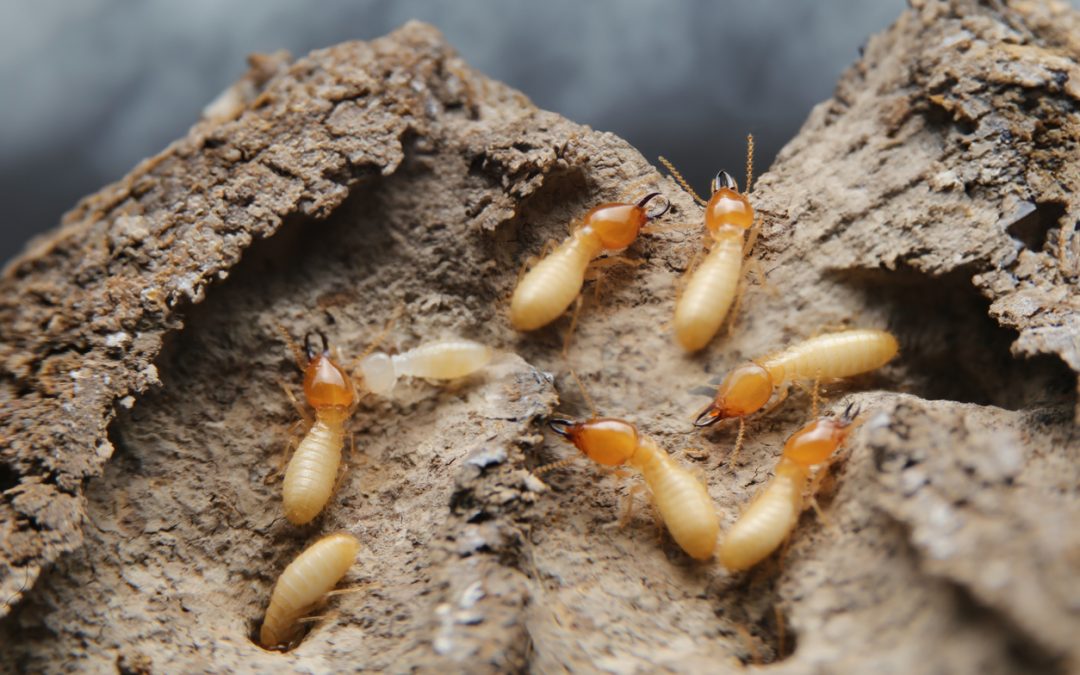
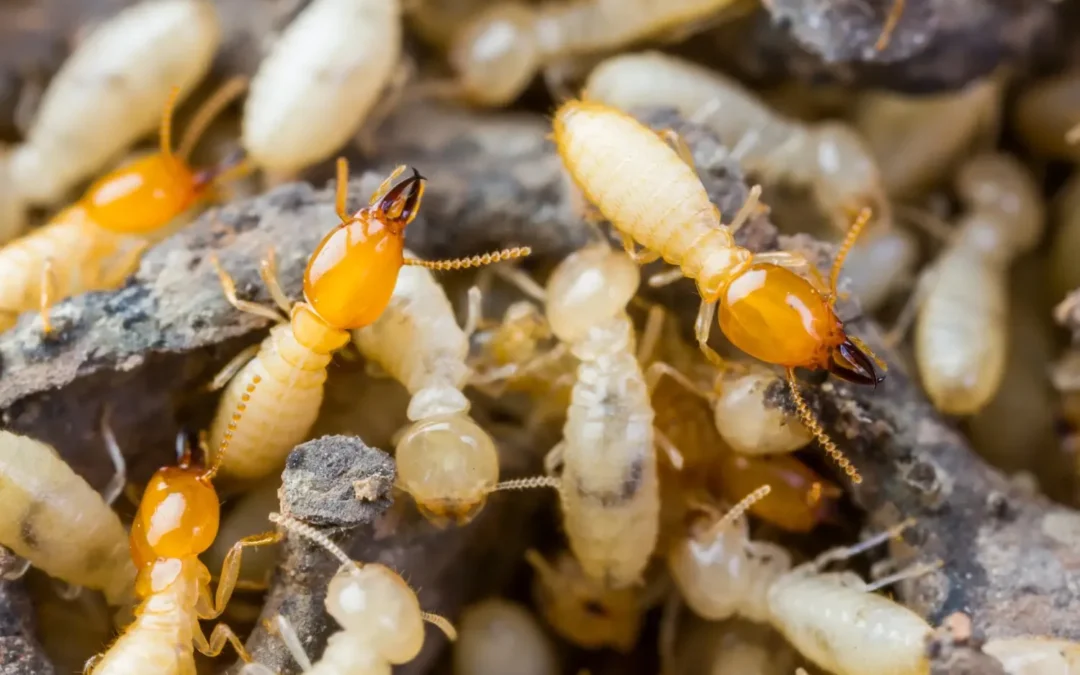
    What Do Termites Look Like?

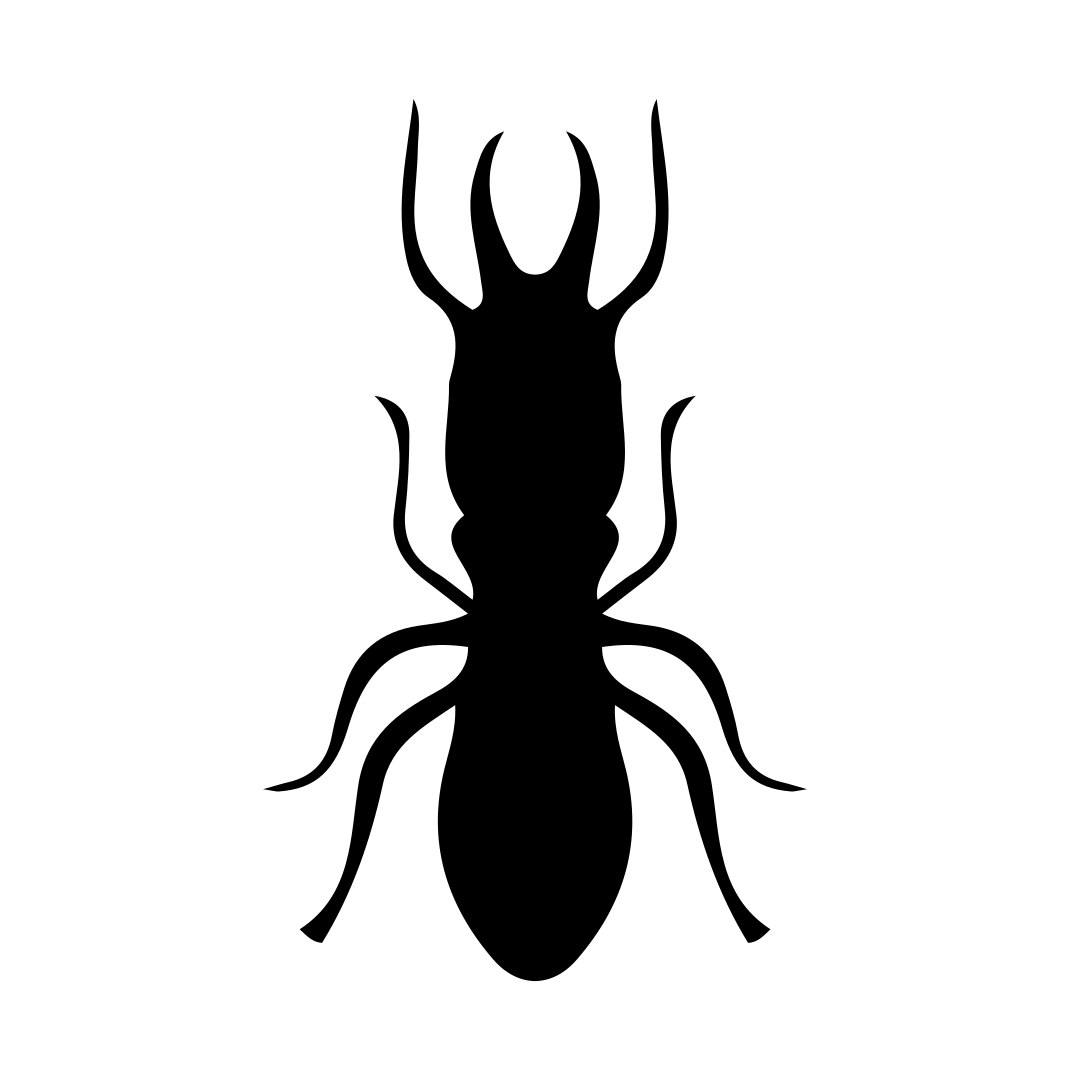
    You can identify termites by these features:

    • Light cream or white body
    • Straight antennae
    • Thick, straight waist (no narrow “pinched” section)
    • Soft-bodied appearance
    • Winged termites (alates) have two pairs of wings equal in size

    Swarming termites are often mistaken for flying ants. The wing size difference is one of the clearest ways to tell them apart.

    Protect your family from wasps. Speak to an expert today.

    or

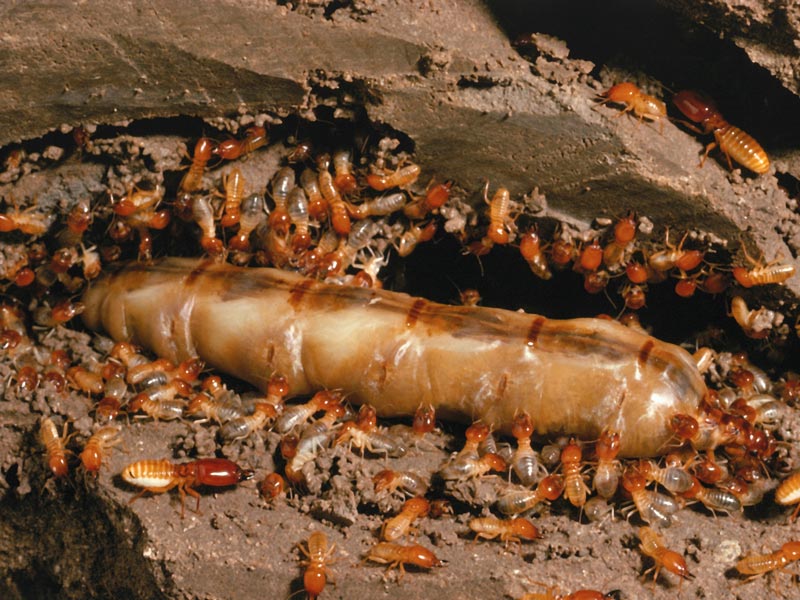
    Termite Castes

    Like ants, termites operate within a structured colony system.

    1. Worker Termites

    • Male and female
    • Make up the majority of the colony
    • Gather food and feed other castes
    • Responsible for structural timber damage

    2. Soldier Termites

    • Male and female
    • Large head with strong jaws
    • Defend the colony from predators
    • Rely on workers for feeding

    3. Winged Termites

    • Reproductive termites
    • Swarm in spring and summer
    • Shed wings after finding a place to establish a new colony

    Seeing discarded wings around windows or door frames is often the first visible sign of a termite problem.

    Ants

    Ants are common in Australian homes, especially during warmer months. Most species search widely for food and are attracted to sugary or greasy substances.

    While many ants are a minor annoyance, certain species such as carpenter ants can damage timber.

    What Do Ants Look Like?

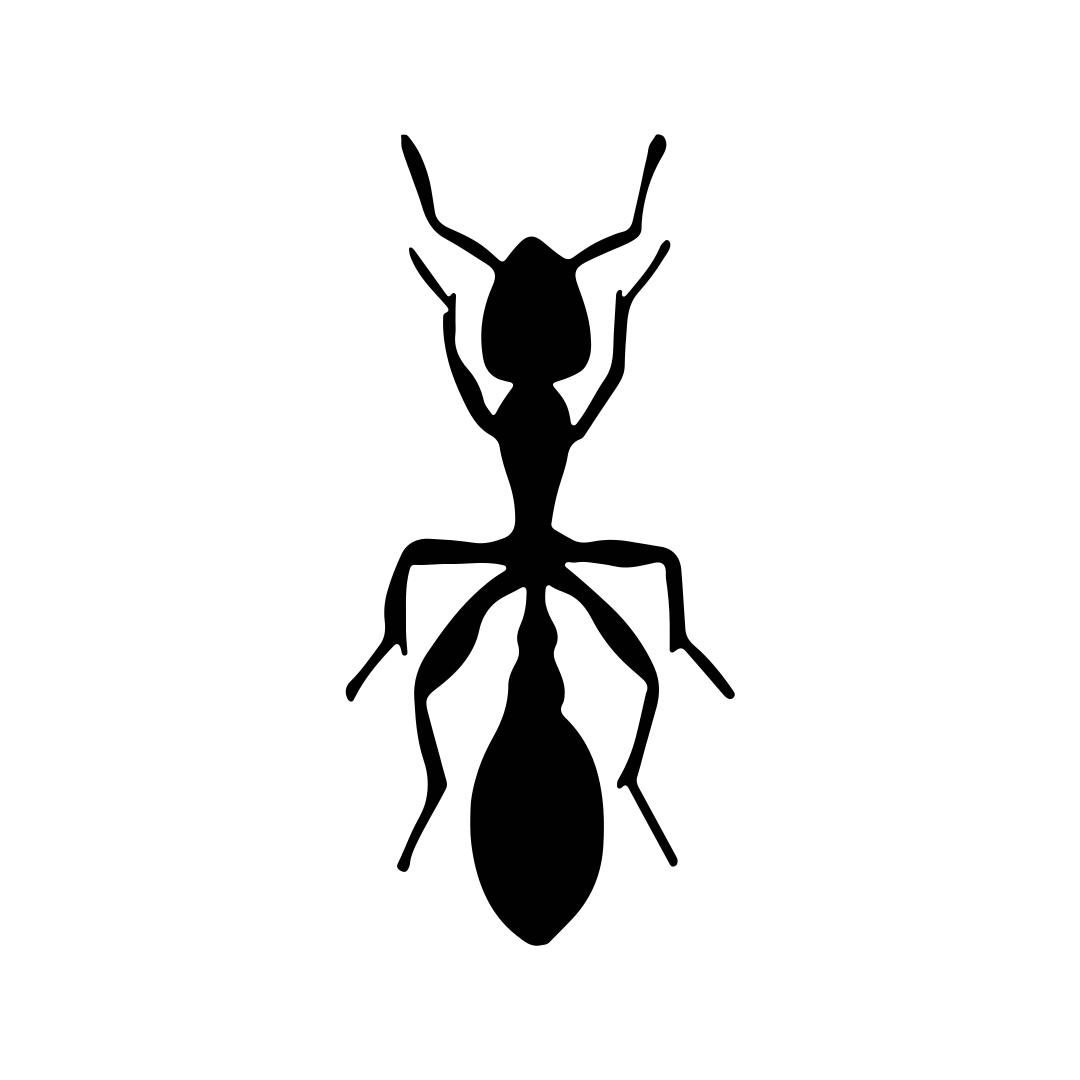
    Ants have several distinct features:

    • Dark brown, red or black colour (varies by species)
    • Elbowed antennae
    • Visible eyes
    • Body divided into three segments: head, thorax and gaster
    • Narrow, pinched waist
    • Winged ants have two pairs of wings that differ in size

    The thin waist is the quickest way to tell an ant from a termite.

    Ant Castes

    Ant colonies also have structured roles.

    Worker Ants

    • All female
    • Care for young
    • Gather food
    • Maintain and expand the nest

    Soldier Ants

    • Present in some species
    • Larger head and jaws
    • Protect the colony
    • Assist in carrying large food items

    Flying Ants

    • Reproductive females
    • Leave the nest in warm weather
    • Shed wings after mating

    Winged Drones

    • Male ants
    • Mate with queens
    • Die shortly after reproduction

    Carpenter Ants vs Termites

    Carpenter ants are often confused with termites because both are found in timber.

    The difference:

    • Termites eat timber as a food source.
    • Carpenter ants do not eat timber. They tunnel through damp or decaying wood to build nests.

    One clear sign of carpenter ants is small piles of wood shavings (frass) near entry points. Termites consume the wood and instead leave mud-lined galleries.

    Quick Comparison: Ants vs Termites

    Feature Termites Ants
    Colour Cream/white Brown, black or red
    Antennae Straight Elbowed
    Waist Thick Narrow/pinched
    Wings Equal length Front wings longer
    Diet Cellulose (timber) Sugars, proteins, fats
    Damage Risk High structural damage Usually minor (except carpenter ants)

    Signs You May Have Termites

    • Mud tubes along walls or foundations
    • Hollow-sounding timber
    • Tight-fitting doors or windows
    • Discarded wings indoors
    • Bubbling paint or sagging timber

    Termites work quietly behind walls, so visible signs often appear late.

    Signs of an Ant Infestation

    • Visible trails along walls or benches
    • Nesting in wall cavities or gardens
    • Small soil mounds outdoors
    • Wood shavings (carpenter ants)

    Ant problems are typically easier to spot than termite activity.

    When to Call Allstate Pest Control

    If you notice flying insects inside your home, mud tubes, hollow timber or unexplained wood damage, arrange a professional inspection promptly.

    Allstate Pest Control provides:

    • Licensed termite inspections
    • Detailed reporting
    • Treatment options tailored to Australian conditions
    • Ongoing termite management plans

    Early detection helps reduce the risk of major structural repairs.

    Why Correct Identification Matters

    Treatments for ants and termites are completely different.

    • Ant infestations often require baiting and targeted surface treatments.
    • Termite management involves detailed inspections, moisture control, soil treatment systems or baiting programs.

    Misidentifying termites as ants can delay treatment and increase repair costs.

    Frequently Asked Questions

    Are termites worse than ants?

    Yes. Termites can compromise the structural integrity of a home, while most ants are considered nuisance pests.

    Do flying ants mean I have termites?

    Not necessarily. Wing size and waist shape help distinguish them. A professional inspection provides certainty.

    Can I treat termites myself?

    DIY sprays are not effective against established termite colonies. Professional assessment and treatment are required.
    Early Signs of Termites in Your Home

    Early Signs of Termites in Your Home

    They’re quiet and discreet, and are thought to infiltrate 1 in 5 homes in Australia. Prevent costly termite damage – that your insurance won’t cover – by understanding how to detect the following 6 early signs of termites in your home.

    What attracts termites to your home?

    With 1 in every 5 homes thought to be affected by termites every year, termite attacks are common all around Australia, including Adelaide. Want to know if your place is next? See if your home ticks any of the following boxes:

    Do you have wood or timber structures?

    Termites thrive on cellulose as they have specialised digestive systems which can break it down into usable energy. Take note that they have a particularly strong appetite for untreated wood, soft, moist and rotting wood.

    Are there sources of moisture present?

    From damp soil, piles of mulch and overgrown vegetation to leaky plumbing and air conditioning units, termites require moisture to survive.

    Does your home provide enough warmth?

    Since their optimum temperature is above 25 degrees, termites will be particularly drawn to your home in the cooler months of the year.

    Sign 1: Mud tubes

    Subterranean termites are well known for building protective tunnels as they forage for food away from their colonies, which are located underground. As their name suggests, mud tubes are brown coloured, elongated and made from tightly compacted mixture of dirt, wood, saliva and other scavenged debris to form a tough shell which is designed to shield termites from moisture loss and potential predators.

    Types of mud tubes

    Built for different purposes, termites have adapted their mud tubes to suit their needs:

    • Swarm tubes are used by winged termites, also known as swarmers
    • Exploratory tubes are found near soil openings to the termite nest and are a strong indicator of foraging termites
    • Working tubes connect the termite nest to the main food source
    • Drop tubes are vertical connections from the nest to the main food source

    Where will I find mud tubes?

    Look for them along walls, brickwork, foundations and around wooden structures, such as door frames and skirtings.

    Protect your home from a costly outbreak. Book a termite inspection today.

    or

    Sign 2: Termite swarms

    Spring is the most active season for termite swarming, which is often triggered by the warmer temperatures and rain. It’s an indication that there’s a mature colony nearby and it’s looking for a suitable spot to establish a new colony.

    If you’re wondering what termites look like when they’re swarming around your home, check carefully for shed wings on the floor or around window sills and doors. Each termite pair will shed 8 wings in total.

    Sign 3: Hollow sounding wood

    “Knock on Wood” isn’t just the title of a hit song from the 60s…they were definitely onto something when it comes to termites!

    Due to their rather secretive tunnelling behaviour, termites will normally start chewing through wooden structures from the core, leaving the outer walls intact.

    This means that when you tap on termite-infested wooden beams, furniture, walls and floorboards, you’ll hear a distinct empty, echoing sound.

    Sign 4: Damage to timber structures

    Probably the most dreaded sign of a termite outbreak, and no doubt the most stressful and expensive to deal with, is the physical damage that they cause. Although wood is their preferred food source, other cellulose-rich products around your home are also at risk of a termite attack, including insulation, carpet, paper, cardboard, textiles, drywall and upholstery.


    What does termite damage look like?

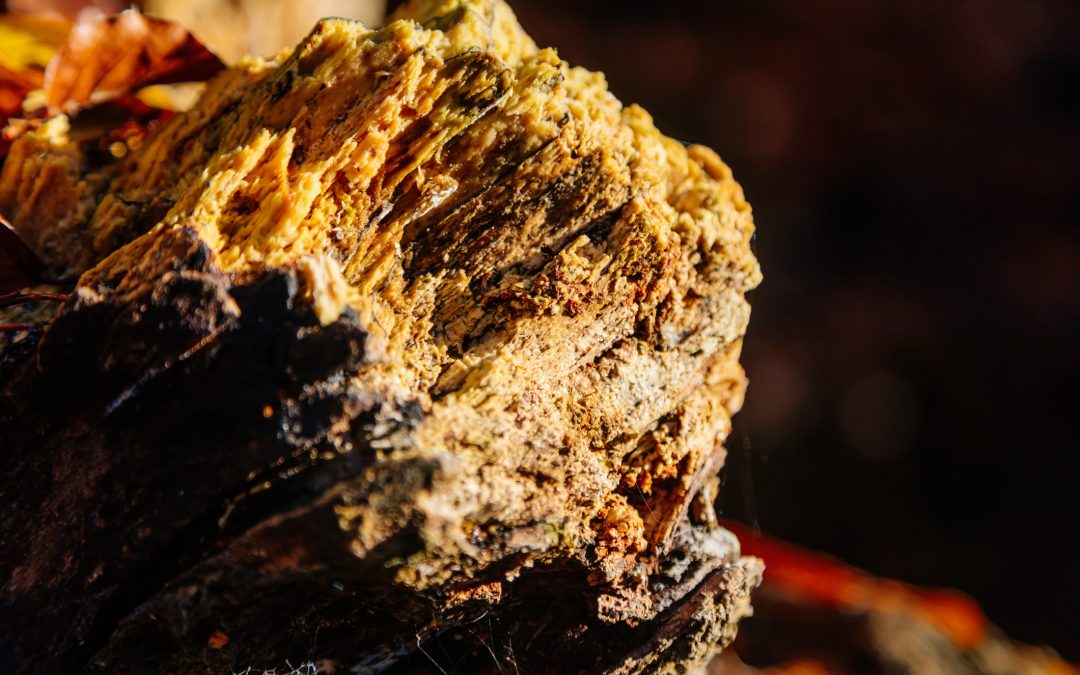
    • Crumbly timber beams
    • Warped door and window frames which make doors and windows difficult to open and shut
    • Peeling and blistering paint
    • Bubbling wallpaper
    • Sagging and warping in floors and ceilings
    • Creaking, uneven steps

    Worried about termites in your home? Act fast –  speak to an expert today

    or

    Sign 5: Termite droppings

    Also referred to as “frass”, termite droppings accumulate in areas of high termite activity, so they’re a sure sign of termites inside your home.

    You’ll notice piles of these digested cellulose waste products constantly appearing on the floor, carpet or collecting on skirtings, windowsills and even steps.

    If you look closely at the surrounding wooden structures, you might even spot a tiny access point to the location where the termites are currently most active.


    How do termite droppings normally appear?

    • Uniform pellet shaped, with 6 concave sides
    • Around 1mm long
    • Depending on the colour of the wood that the termites are consuming, droppings vary from beige to black in colour

    How to prevent early signs of termites in your home

    Termites can forage over great distances in search of food, so even if you may not have a nest close by just yet, it doesn’t mean that they won’t eventually make their way over. Still, you can always be prepared, right? We recommend taking the following actions to protect your home from termites:

    Minimise excess moisture

    Regularly inspect your home for leakages in plumbing. Don’t forget to check your air-conditioning units as well. Make sure that the soil in your yard is well drained. If you have a basement or crawl spaces, ensure that they are dry and well ventilated.

    Seal entry points inside your home

    Most termites are only a few millimetres long, so they’re able to squeeze inside small cracks, holes and gaps to enter your home. Look for any vulnerable access points around your home, and fill them quickly.

    Regular garden maintenance

    Tending to your garden is important in minimising the chance of attracting termites. Here’s how:

    • Removing fallen branches
    • Trimming overgrown plants that may be touching the sides of your house
    • Keeping your gutters clear from leaf litter and twigs

    Take care to avoid damaging existing termite barriers if you take on DIY landscaping projects.

    Remove wood-based objects from your yard

    Termites prefer certain types of wood over others because they are often harder to digest, or might even be toxic. You might notice they avoid teak, redwood, cypress and heartwood.

    Nevertheless, reducing the number of potential food sources, regardless of the type of wood, will help a great deal in deterring termites overall. We suggest:

    • Removing old rotten tree stumps
    • Storing woodpiles a safe distance away from your house off the ground
    • Replace wooden garden sleepers with concrete, composite or steel dividers, or stones and pavers

    Wood treatments

    Protect your wooden furniture from termites by applying a waterproof wood treatment that is readily absorbed.

    Regular termite inspections: your best chance against termites

    Without the proper equipment, skills and training, it’s hard to spot a termite outbreak. To avoid the devastating damage that they can unleash on your family home, government guidelines recommend a yearly inspection carried out by a licensed termite inspector, in accordance with Australian standards.

    If you live in a high-risk area, having more frequent checks may be even safer.

    Safeguard your property from sneaky termites, speak to an expert today

    or

    Professional termite control

    So, you’re noticing the early signs of termites in walls in your home? Our team of highly trained, licensed termite inspectors will carefully check over your property to find the location of the nest. We’ll then use a combination of the following treatments to combat the outbreak:

    Sentricon Always Active bait stations

    Work as an excellent preventative to physically stop termites from entering your home. Positioned around the perimeter of your home and containing a powerful termiticide bait, Sentricon stations are positioned discreetly underground, guarding your property from the threat of subterranean termite nests nearby.

    Premise spray

    A fast-acting solution for severe outbreaks, Premise spray can reduce the number of active termites quickly when applied to problem areas.


    Choose Allstate for powerful and long-lasting termite management

    When termites are on the loose inside your home, there’s nothing stopping them, unless you act fast.

    With Allstate Pest Control, you won’t be left wondering how to know if you have termites before it’s too late. We’ve successfully resolved termite infestations across all suburbs of Adelaide since 1986. Whether you’re in a residential, commercial or industrial setting, our team of licensed termite inspectors will detect early signs of termites in houses create a tailored treatment plan using the most up-to-date termite control measures.

    Reach out to our friendly customer service consultants for effective protection against the earliest signs of termites, right at their source.

    Our expert team is ready to help you now.

    or

    How a Termite Reticulation System Protects Your Home

    How a Termite Reticulation System Protects Your Home

    A termite reticulation system is one of the most innovative ways to prevent termites from entering your home. It works quietly underground, sending treatment through the soil month after month.

    This is important here in Adelaide. Termites are everywhere. The CSIRO says one in three homes will get a termite infestation at some stage. Repairs cost billions every year. Most insurance won’t cover it either.

    At Allstate Pest Control, we’ve been keeping homes safe for decades. We know and have seen the damage termites cause. We also know the relief homeowners feel once a proper barrier system is in place.

    So, let’s break down what the system is, how it works, what it costs, and how Adelaide families use it in real life.

    What is a Termite Reticulation System?

    A lot of people mistake it for a “trap” or a box you swap out each year. It’s not that.

    Simple Definition

    A termite reticulation system is a set of underground pipes that run under your concrete slab or around your home. Those pipes release termiticide into the surrounding soil to block termites before they reach your timber.

    Think of it like an underground sprinkler system. But instead of water, it pumps out termite treatment.

    How the System Works

    • Pipes go in during the construction process or are dug in later around foundations.
    • Refill points sit at the edges of your home.
    • A licensed pest control tech pumps chemical through the pipes.
    • The treatment spreads out evenly and forms a protective barrier.

    The barrier deters termites. It also kills any that try to push through.

    Key Components

    • Pipes: Flexible enough to handle soil movement.
    • Refill points: Capped outlets where treatment goes in.
    • Chemical barrier: The actual defence line in the soil.

    Why Install a Reticulation System?

    Because once termites are inside, the damage is brutal. Catching them early or keeping them out is cheaper than fixing chewed beams later.

    Long-Term Protection

    A reticulation termite system gives you continuous protection for years. With proper refills and regular termite inspections, it holds strong.

    Safer and More Consistent

    Surface sprays miss spots. Reticulation doesn’t. It spreads chemicals evenly underground. Because it’s below the surface, it’s also safer for kids, pets, and gardens.

    Fits Any Property

    Brand new slab in Mount Barker? Old weatherboard in Prospect? It doesn’t matter. The system can be installed on all property types appropriately.

    Here’s one real scenario a local shared online:

    “When I bought this property, the agent told me this was a termite trap that needed changing once a year. I’ve seen online. What is it?”

    And the reply:

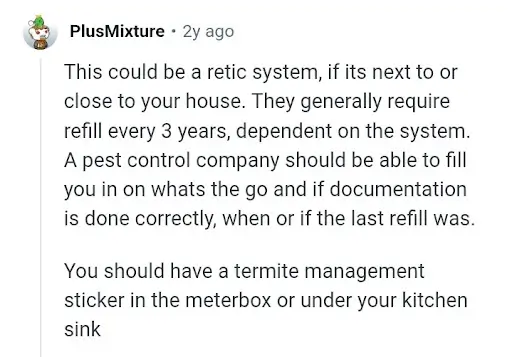
    “This could be a retic system, if it’s next to your house. They generally require refill every 3 years, depending on the system. You should have a termite management sticker in the meter box or under your kitchen sink.”

    termite reticulation system review

    That’s the thing. Most homeowners have no idea what they’ve got until a pest control crew explains it.

    How to Refill a Termite Reticulation System

    This is the bit many homeowners forget. The system doesn’t work forever unless you top it up.

    How Often?

    Every 3–5 years is standard. Sandy soils or high-termite-pressure areas might need shorter cycles.

    Why Use a Licensed Pest Controller?

    DIY is risky. Too little chemical and the barrier system has holes. Too much and you waste hundreds of dollars’ worth of product. A licensed termite control service person knows the exact dose for optimal protection.

    What’s Involved?

    1. Inspection: check refill points and signs of termite activity.
    2. Termite reticulation refill: pump in new treatment through the pipes.
    3. Reseal: close refill points to keep pressure and safety.

    Tip: Don’t just refill blindly. Pair it with an annual termite inspection so you know the barrier is doing its job.

    Advantages Over Other Termite Systems

    You’ve got a few options when it comes to termite protection: sprays, baiting stations, and full barrier systems. A termite reticulation system isn’t the only choice, but it does come with some serious perks that make it stand out.

    Lasts Longer

    Surface sprays are a quick fix. They fade after a year or so, and you’re back to square one. Retic systems, on the other hand, are built to last decades. As long as you keep up the refills every 3–5 years, the barrier stays strong.

    For example, we’ve seen homes in Adelaide Hills that had systems installed in the late 2000s. The homeowners kept to the refill schedule, and nearly 15 years on, they’ve had zero termite activity in the house. Compare that to a neighbour who relied on sprays and ended up with termites in their subfloor within four years. The difference is in the maintenance.

    No Lifestyle Interruption

    Because it’s underground, you don’t even notice it’s there. No odours, no chemical patches on the lawn, no pest guy wandering around your lounge room with a spray can. The refill points are tucked neatly outside. It’s one of those “set it up properly and get on with life” solutions.

    Even Chemical Spread

    With surface sprays, it’s easy to miss spots. Termites only need one tiny gap, and they’re in. Reticulation systems pump treatment evenly through the soil via perforated pipes, so the whole perimeter is covered.

    Think of it like watering a garden bed with a sprinkler hose compared to splashing buckets of water here and there. Which one gives you better coverage? The same logic applies here.

    Better for the Environment

    Because the treatment stays underground and is delivered evenly, you actually use less chemical overall. That means less runoff into drains, less exposure for pets and kids, and a cleaner way of handling termite prevention.

    This is especially handy in Adelaide suburbs where homes back onto creeks or reserves. Homeowners are more conscious of what runs into the environment. So having a system that keeps things contained makes sense.

    Common Questions From Homeowners

    We get a lot of questions from Adelaide homeowners who are curious (or confused) about their systems. Here are the most common ones, with straight answers.

    Is it safe for kids and pets?

    Yes. The treatment sits underground, in the soil. Pets can play in the yard, kids can dig in the garden, and you don’t have to worry about them coming into contact with surface sprays. It’s one of the safest ways to manage termites around a family home.

    What happens if I miss a refill?

    The barrier weakens. It’s like leaving your front door unlocked. Termites are clever little things.. They’ll find that gap and take advantage of it. We’ve seen cases where just one missed refill lets termites march straight through to the subfloor. And again, you may be lucky not to get an infestation.

    Do I still need inspections?

    Yes, you do. A reticulation system isn’t some permanent fix that keeps termites out forever. Termites are stubborn little things. They’ll keep looking for weak spots, especially if the soil around your home sees moisture levels change from time to time.

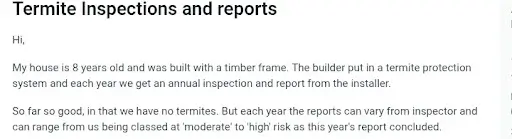
    We’ve seen plenty of Adelaide homes where the system was in place, but the owners still booked yearly inspections. One homeowner had an eight-year-old timber frame house with a retic system installed during the build. Each year, the installer came out, did the inspection, and gave them a report. They never had termites, but the risk level in the reports wasn’t always the same. Some years the inspector marked it as moderate risk, and other years it was classed as high risk.

    termite reticulation feedback

    That shows that conditions around your home don’t stay the same. Weather, garden works, and nearby building activity; all of it can affect how much termite pressure your place is under. An inspection keeps you updated, makes sure your barrier is still working, and lets you know if you need a refill sooner rather than later.

    Refills and inspections are like a termite prevention package. One keeps the barrier topped up, the other makes sure nothing has slipped through.

    Adelaide Case Studies

    Here’s what happens in the real world.

    A family in Glenelg had a system put in during their build. They’ve stuck to the 3-year refill cycle and booked inspections each year. Twelve years later, still no termite damage.

    A couple in the inner north skipped refills. They assumed once installed, it lasted forever. Wrong. A few years later, termites chewed into their floor joists. Meanwhile, the termite reticulation system cost for refills? A few hundred.

    And when those with a reticulation system are asked which pest control they use for the installation, one summed it up online:

    “Allstate. No complaints! It has been in place for about eight years now. We sometimes have activity in the stations, and usually by the next visit, they are gone. We got a very old post-war home and found evidence of damage previously.”

    termite reticulation system customer review

    Eight years? Yes, sometimes. When installed by us with enough refills and regular annual inspections, you’ll get the same experience as the above.

    Wrapping It Up

    A termite reticulation system is an underground defence that gives you control over termites before they move in. It’s reliable, discreet, and saves you a fortune compared to fixing chewed timbers later.

    Call Allstate Pest Control:

    • To install it properly.
    • Refill it on schedule.
    • And keep up with regular termite inspections.

    Do that, and you’ll sleep easy knowing your home has a protective barrier against one of Australia’s costliest pests.

    Call Allstate Pest Control Adelaide on 08 8371 1277 or book an inspection with us online. We’ll help you install, refill, and maintain your system the right way.

    Early Signs of Termites in Your Home

    How to Treat Termites

    Highly destructive and hard to detect, termites are thought to cost Adelaide homeowners between $5,000 to $10,000 per year in repair bills. Find out how to treat termites infesting your home in today’s Hivemind blog.

    What questions will this article answer?

    How to treat termites in your home or business

    Estimated to cost billions to repair every year, termite damage is a widespread issue to homes and businesses all across Australia. Unfortunately, this is not claimable through insurance as it is deemed to be highly preventable. So it’s no surprise that termite protection is a serious matter.

    So, how do you treat termites in your house? Chances are, you’ll see the destruction they’ve caused before you actually see them in action. To limit further problems in your home, we recommend calling a professional pest control service ASAP as the best course of action.

     However, there are a couple of DIY solutions that may come in useful the meantime. Keep reading to learn more!

    Diatomaceous earth

    This can be helpful if you’re wondering how to treat termites in a house naturally. Readily available from hardware stores for purchase, diatomaceous earth is a fine powder with naturally abrasive properties that can puncture a termite’s exoskeleton, leading to moisture loss. You can sprinkle this around the perimeter of your home, as well as potential entry sites and areas with high termite activity.

    Boric acid

    A slow-acting but versatile termite treatment option, boric acid damages a termite’s outer shell, and can be purchased in a powdered form. You can sprinkle it directly around the perimeter of your home to prevent termite entry, where it will also penetrate deep into small crevices. Or, mix it with just enough water to form a thick paste and spread it over infested timber with a brush. You can even dissolve a teaspoon in a cup of warm water to make a spray.

    Worried about termites in your home? Speak to an expert today

    or

    White vinegar

    With its high acidic content and disinfectant properties, white vinegar works to dehydrate termites and remove their pheromone scent trails. You can prepare a solution with equal parts of vinegar and water mixed together, along with a squeeze of lemon juice to further bump up the acidity level. Spray this potent acidic concoction over areas with damp wood, including foundations.

    Essential oils

    With natural insecticide properties, the following essential oils are effective against termites as well as a range of other crawling insects:

    Clove oil

    Use a few drops of clove oil mixed with water to spray around termite hotspots.

    Neem oil

    With an unpleasant, bitter smell, neem oil disrupts termite growth hormones and developmental processes. It can be injected directly into damaged wood to target termites, or you can make a spray with 1 tablespoon of neem oil to 2 litres of water, with a dash of liquid detergent. You can apply this directly to termites, hollow timber structures and potential entry points such as door and window frames.

    Orange oil

    Containing d-limonene, an active ingredient which breaks down termite exoskeletons and metabolic processes, orange oil can be diluted with water and sprayed over termite hotspots, mud tubes and affected timber.

    Cardboard traps

    For cellulose- and moisture-loving termites, wet cardboard traps are not only an effective bait but are also extremely easy to prepare. All you’ll need are a few pieces of flat, corrugated cardboard soaked in water. You can stack them in areas of high termite activity, for example, near mud tubes or damaged wood. If you’re wanting to know how to treat termites in a wall, place a cardboard trap against it and watch for termite activity. Remember to check these traps daily and replace them frequently.

    Don’t let termites invade your walls, get expert advice on how to treat termites in wall structures today.

    or

    Petroleum jelly

    Thick, impermeable and sometimes laced with phenol, petroleum jelly is a surprisingly useful termite deterrent as it starves termites of oxygen. You can apply it liberally to timber-based surfaces and structures to create a tough physical barrier to termite entry.

    Salt

    As one of the best and most easily accessible dehydrating agents around, salt will draw water away from termites, who rely heavily upon moisture to survive.

    You can simply sprinkle salt around problem areas or make a strong saline spray by dissolving a large amount of salt in warm water.

    Nematode worms

    As natural termite predators with a particular appetite for larvae,nematode worms are useful in controlling a termite population. Being microscopic in size, they’re able to crawl inside a termite’s body through tiny openings, then release poisonous bacteria.

    These worms are not harmful for people, pets or the ecology of your yard.

    Safeguard your property from sneaky termites, speak to an expert today

    or

    Professional termite control

    The best way to combat termites is to prevent them from venturing near your home in the first place. While you can do your best at reducing sources of moisture around your yard and removing dead tree stumps and woodpiles, subterranean termites happen to be very discreet in their movements. You could still miss the earliest signs of an outbreak.

     If you’ve tried DIY options and are still wondering how to treat termites at home safely and for good, professional intervention is the most reliable solution.

    Yearly termite inspections

    At Allstate, we recommend yearly termite inspections by licensed termite inspectors, per government regulations, to ensure that you and your family stay safe from infestation. More frequent inspections may be required if your property is considered as high risk, for example, if you live near a creek, or your home has previously had a termite issue.

    Premise termite treatment spray

    If termites are detected at your inspection, we offer a fast-acting treatment that can be applied directly to the soil and foundations underneath your home. Premise non-repellent termiticide spray contains imidacloprid, a targeted active ingredient that works within days to disrupt the termite nervous system and reduce the termite population.

    Sentricon Always Active termite bait stations

    For the best long-term protection, we recommend having a Sentricon termite barrier installed around your property. With stations positioned underground, 30 centimetres away from the walls of your home, spaced 3 metres apart, the baits are embedded with a powerful termiticide called hexaflumuron. When our clients ask us how to best treat termites at home, you can’t beat a Sentricon system.

    Choose Allstate for reliable and long-lasting termite management

    If you’re noticing signs of termites around your yard, chances are that it’s only a matter of time before they begin to compromise the structure of your home.

    At Allstate, we’ve been protecting homes and businesses from termite attacks since 1986.

    Available 24/7 for urgent enquiries, our licensed pest technicians are fully equipped and highly trained to offer comprehensive termite inspections and targeted termite treatments.

    Covered by competitive warranties and with payment plans on offer, you can have our experts at Allstate over to termite proof your home today.

    Need expert help on how to treat termites safely and effectively? Our team is ready now.

    or

    Are Termites Active in Winter?

    Are Termites Active in Winter?

    The short answer: yes! Winter is an important time as any to protect your home against termites. Read on to learn how to termite-proof your home this winter. 

    What questions will this article answer?

    What are the signs of termite activity in winter?

    Termites are known to be active all year long, so here are some ways to tell if they may have reached your home:

    Structural damage to your home

    When you start seeing physical changes to your home from termite damage, it’s often too late, as termites have probably already been there for quite some time. You may notice problems in walls, ceilings, floors and paint such as holes, buckling, blistering, warping, sagging and flaking. Windows and doors may seem harder to open and shut.

    Mud tubes

    If you notice brown trails of hardened dirt along walls, crawl spaces or timber beams, these mud tubes are a strong indicator of active termites in winter. Built by working termites, these tunnels are around 0.25-1 inch in diameter and designed to protect foraging termites from predators and the elements while they’re moving between the nest and food source.

    Hollow sounds when tapping wood

    When termites have tunnelled through a timber structure, the empty space that is left behind will be exposed by a hollow, echoing sound when the timber is tapped. This is a hidden sign of termite damage meaning that the structural integrity of the timber has been significantly compromised.

    Termite swarming and discarded wings

    As spring approaches, termite colonies prepare for swarming. If you notice flying termites, also known as swarmers, near tree stumps, wooden sleepers or woodpiles, as well as discarded wings near windowsills and doors, this is a sign of termites in your area.

    Clicking sounds

    Although they are mostly silent while they do their damage, you may occasionally hear faint clicking noises coming from your walls during peak termite tunnelling activity. Soldier termites can also initiate clicking noises to warn their fellow termites of imminent danger.

    Termite droppings

    At less than 0.04 inches long and resembling wood-coloured piles of sawdust, termite droppings can be hard to see and even mistaken for something else.

    Drywood termites in winter

    Unlike subterranean termites, drywood termites require less moisture to survive, and as a result, live exclusively in dry wood as their name suggests. They usually live higher up from the ground in wooden and timber structures and furniture, and as a result, are unaffected by cold weather.

    As they don’t tend to leave mud tubes, it can be difficult to spot drywood termites in winter, so you may not know that they are there until they have carried out significant damage.

    Worried about termites in your home? Speak to an expert today

    or

    Subterranean termites in winter

    Although the ground surface temperatures may be freezing, subterranean termites living in underground nests will often burrow down deeper where the soil is warmer and seal off the openings to avoid cold draughts and warm air escaping.

    You’ll also notice that worker termites forage closer to their nests for food in winter and focus more on nest maintenance and repair. In fact, many workers may not survive the cold weather.

    Queens also lay less eggs and there is overall a lower population of termites, with less activity in the nest to try and conserve energy and heat.

    For the termites that have managed to penetrate timber inside your home, however, winter has very little effect. The large amount of activity generates heat and having protection from the harsh elements means that they can stay warm and full of food all year long!

    Swarming termites in winter

    It’s highly unlikely that you’ll see swarmers emerge until the very end of winter, when the temperatures start to rise heading into spring. If you do see termite swarmers, it means that the risk of an outbreak near your home is higher because they are scouting for a good location to start up a new nest.

    How to prevent termites in winter

    Here are some simple ways to make your home and yard a less appealing place for termites to settle:

    Regular yard maintenance

    Termites thrive where there is plenty of wood, so if you have lots of trees, rotting tree stumps, woodpiles, wooden sleepers, furniture or plant holders, it’s best to either remove them or ensure that they are kept away from your house at the very least.

    Prevent all sources of moisture

    Effective termite prevention includes addressing damp environments which help them to maintain enough moisture in their thin outer shells to survive. It also aids in their ability to digest the tough cellulose fibres in the wood that they consume. This means that you’re more likely to attract termites if you have a pond, bird baths or leaky plumbing, or live near a large body of water.

    Also check that rooms in your home with higher humidity are properly ventilated, and that the soil on your property is well drained.

    Termite inspections

    Because termites are difficult to spot, the only way to know whether or not you have them is with a termite inspection. Fully equipped with the latest in termite detecting tools, Allstate’s licensed termite inspectors will thoroughly check all outdoor and indoor areas for even the most subtlest signs of termite activity.

    Termite Inspections

    The most reliable way to avoid a termite infestation is to have regular comprehensive termite inspections.

    Conducted by licensed termite inspectors, a government-recommended yearly termite inspection is the best form of termite protection that you can get.

    For those who live in areas of higher risk, more frequent inspections are ideal. This includes buildings that are situated near a large body of water or have experienced a previous termite attack.

    Don’t delay your termite inspection. Speak to our expert team today.

    or

    Professional termite control

    If you have a termite outbreak, Allstate offers several modern and effective treatments that can be tailored to your individual situation.

    Before applying any treatments, our first step in every termite management plan is to always conduct a thorough assessment to get to the source of the outbreak.

    Then, to reduce the active population, we use the following termite treatments

    Premise termiticide spray

    Applied directly to soil in designated treatment zones, this non-repellent spray contains a targeted active ingredient called imidacloprid, which acts powerfully to repel termites. It is commonly used in areas which are known to have active termites.

    Sentricon Always Active bait stations

    For long term termite protection, a Sentricon barrier around the perimeter of your building has been shown to be highly effective. Discreetly installed underground at every 3 metres, Sentricon bait stations contain hexaflumuron, which disrupts the termite life cycle.

    For reliable and long-lasting termite management, choose Allstate

    Once termites have entered your home, they’ll stay all year long. Even when it’s the middle of winter, Allstate is always here to help.

    Since 1986, we’ve successfully managed termite outbreaks in homes and businesses in all suburbs of Adelaide. Available 24/7 for urgent advice, our licensed and highly knowledgeable team of pest technicians can assist you with safe and non-toxic termite solutions.

    With comprehensive warranties and easily accessible payment plans on all our termite products and services, you can trust that you’ll be protected from termites for good.

    Our expert team is ready to help you now

    or

    How Termites Adapt To Changing Seasons

    How Termites Adapt To Changing Seasons

    They’re small, move discreetly and cause silent damage in homes and businesses across Adelaide. Learn more about what makes termites the ultimate perennial pests and how you can avoid termite attacks no matter the season in this Hivemind blog.

    What questions will this article answer?

    Spring: peak swarming season

    To improve the survival of their species, termites swarm to reproduce and expand their geographical reach. This is a key sign that you probably have a mature termite colony nearby.

    For most termites, this normally happens in warm and humid weather, in late spring to early summer, after rainfall. You might see up to 50,000 male and female termites pair off to mate and establish a new nesting site. Swarming during the daytime is most common, though some species prefer the evenings. If you have lots of trees, woodpiles or ponds on your property, this could be very appealing for swarmers, so it’s best to stay alert.

    Once swarmers have completed the fertilisation process, they will lose their wings and become the new primary King and Queen for the new colony. Pay attention to flying termites and discarded wings around your home in spring.

      Summer: the peak season

      For most subterranean termites, summer is a hive of activity! With swarming still occurring in early summer and Queens laying up to 30,000 eggs in a single day, it won’t take long to grow a formidable termite colony right at your doorstep.

      Most termites will spend summer foraging for food and eating, so be aware of changes to dead tree stumps, wooden sleepers, fencing, timber structures and furniture around your home.

      Though termite workers do not survive through summer, secondary Queen termites step up with their egg laying to well and truly compensate for the loss.

      Dampwood termites predominantly swarm during the summer season, and their soldiers are known to grow up to 15mm long.

      Autumn: cold weather preparations

      As the mercury drops, termites start making preparations to keep the colony warm and toasty for the upcoming winter. Towards the end of autumn, when the temperature falls under their preferred 23 degrees, you’ll find them looking for cosy places to nest, which can include inside your home.

      Unlike most species of termites, drywood termites swarm in late summer and early autumn. We recommend staying vigilant for these winged termites searching for nesting sites in timber structures around your property as the weather cools down.

      Winter: keeping warm

      While termites are active all year round, especially if they are tunnelling through wooden structures inside your home protected from the cold. Though warm weather provides optimal survival conditions, termites will adjust their behaviour in the following ways to endure the harsh winter climate:

      • Subterranean termites are generally less active
      • They will tunnel deeper underground to seek warmth, and seal off tunnels to limit draughts of cold air
      • They’ll forage for food closer to their nest, ignoring the food that has been exposed to the cold
      • Queens often halt laying eggs when it gets cold enough
      • They will huddle closely to conserve heat

      Avoid skipping a termite inspection. Book with Allstate today.

      or

      How to spot a termite infestation

      Termites are notorious for quietly causing significant destruction to your home, and it is usually not noticeable until the damage is severe. Stay aware of a termite attacks all year round by looking out for the following signs:

      • Mud tubes along walls, beams and foundations
      • Piles of discarded wings from termite swarmers near doors and windows
      • Unexplained cracks and peeling in plasterboards and paint
      • Creaking, blistering, warping and buckling doorframes and floorboards
      • Hollow sounds from wood and timber structures when tapped

      Worried about signs of termites? Speak to an expert today.

      or

      Preventing a termite outbreak

      While termite damage is expensive to fix, it’s considered to be highly preventable with assistance from the right professional expertise. Here’s our suggestions for staying termite-free at your home or business:

      Yearly inspections
      At Allstate, we follow government guidelines which recommend yearly termite inspections, conducted by licensed termite inspectors adhering to strict quality standards, for all homes and businesses in Adelaide. However, if you are in a high-risk area, more frequent termite inspections may be even more effective.

      Reduce levels of moisture
      Termites thrive in warm, humid environments, so we recommend making sure that your home drainage system is in good working order. Inspect your plumbing for leaks in pipes, taps and drains, and check that your gutters aren’t clogged and holding water. Fix these issues as soon as they arise so that they don’t attract termites, as well as other pests.

      Regular yard maintenance
      Avoid storing wood piles and sleepers near your home where possible and remove dead tree stumps. Keep tree branches, shrubs and bushes well-trimmed away from the sides of your house.

      For fast and reliable termite protection all year, choose Allstate

      Active throughout all seasons, termite attacks are no small matter. It’s thought that 1 in 5 Adelaide homes are affected by termite damage, but you can avoid becoming part of this statistic by arranging a free termite assessment with a licensed termite inspector from Allstate.

      Locally operated since 1986, Allstate has provided premium pest control services to clients across all suburbs of Adelaide. Available for urgent advice 24/7, our highly trained pest technicians offer innovative, tailored treatments and solutions for pest outbreaks of all sizes in residential, commercial and industrial settings, as well as protection for new builds.

      With a range of long- and short-term termite control measures on offer, covered by competitive warranties and accessible with payment plans, you can safeguard your family from termites sooner rather than later.

      Our expert team is ready to help you now

      or