





prevention-icon

Termites

prevention-icon

Ants

prevention-icon

Cockroaches

prevention-icon

Spiders

prevention-icon

Birds

prevention-icon

Bed Bugs

prevention-icon

Bees & Wasps

prevention-icon

Rats & Mice

prevention-icon

Possums

prevention-icon

Biting Insects

prevention-icon

Disinfection Services

What Smells Do Rats Hate?

What Smells Do Rats Hate?

Thanks to a set of highly evolved sense receptors, rats possess an extraordinary ability to smell that plays a huge role in their survival. In today’s Hivemind blog, you’ll learn what smell do rats hate, and how to use their own senses against them to keep them away.

What questions will this article answer?

Why are rats sensitive to smells?

Thanks to a specialised vomeronasal organ and many olfactory receptors, rats possess an acute sense of smell, down to the parts per million. This highly developed sensitivity assists them with survival instincts such as avoiding predators, detecting food, navigating their environment and releasing communication pheromones.

What smell do rats hate the most?

To protect your home from rats, it’s easy to exploit their reliance on their incredible smell abilities.

If you’re wanting to learn what do rats hate the smell of, you don’t have to look far. You can simply use a range of household items that either have a potent aroma which interferes with their sense of smell or mimics the way that their predators smell.

 To achieve the maximum effect with your DIY rat repellents, apply them to areas where rats are most active. This includes your roof space, nesting sites, burrows and heavily trafficked pathways.

Don’t let noisy rats keep you up at night, get expert advice today.

or

Peppermint and eucalyptus oil

Although they are pleasantly refreshing to people, peppermint and eucalyptus oil have an intense menthol scent which can overwhelm a rat’s delicate respiratory system.

 This means that you can keep rats out of your garden by planting eucalyptus trees and mint bushes or scattering fresh crushed leaves around your yard.

 You can also apply peppermint and eucalyptus essential oils to cotton balls and leave them in highly trafficked areas.

 Dilute a few drops of your chosen essential oil with water and keep it in a spray bottle to use as required.

Garlic

While we enjoy its pungent flavour for cooking, raw garlic is effective at repelling rats, overpowering their sense of smell and making it hard for them to navigate.

 We recommend placing freshly sliced cloves of garlic around entry points to your home. For a longer lasting option, you can place the garlic in mesh or porous cheesecloth bags and hang them in active sites.

 You can also use garlic infused oil mixed with water to make a potent outdoor spray, perhaps adding other smells which rats hate the most such as peppermint oil for an extra kick if you wish!

Bleach and vinegar

Normally used around the house for cleaning, bleach and vinegar can be diluted with water and sprayed around your home to keep rats away.

With strong antibacterial properties, this spray can also act as a disinfectant for areas containing rat urine and droppings, and clearing away traces of scent markers to prevent rats from returning.

Protect your home from rats, speak to an expert today

or

Ammonia

With a scent that is unpleasant to both people and rats, household ammonia mimics the smell of potential predators such as cat urine. This will normally trigger the fear response in rats, discouraging them from entering your home.

Avoid using ammonia in large amounts by preparing a solution containing 2 cups mixed with 1-2 cups of water and a few spoonfuls of detergent, and leaving it in a bowl placed in areas with high rat activity.

We recommend taking extra precautions with this method if you have pets or children.

Sick of rats raiding your pantry? Get fast advice today

or

Camphor/Mothballs

A popular deterrent for fabric pests such as moths and silverfish, camphor or mothballs contain naphthalene, which releases a scent that is also disliked by rats. These can be easily purchased from supermarkets and scattered around nesting sites, burrows and entrances to your home.

Chilli Powder

With a spicy kick that is known to instantly clear the sinuses of people, chilli powder irritates the respiratory tracts of rats upon inhalation.

Given its fine consistency, chilli powder can easily be sprinkled into hard-to-reach places and penetrate deep inside rat burrows and tunnels. You can also use other spices such as cayenne pepper and red pepper flakes for a similar effect.

We recommend reapplying this on a regular basis as it can disperse easily, as well as after heavy rain.

Prevent an outbreak with smells rats hate the most

While there are many possible DIY rat repellents that you can use around your home, it’s important to remember that most of them use natural ingredients which will degrade over time, so they’ll need to be reapplied frequently to maintain an effective rat barrier.

Since rats are clever creatures with the ability to adapt to their surroundings, it’s also best to change up your deterrent techniques every so often to prevent desensitisation.

We recommend exercising caution when applying strong chemicals around pets and children.

If you’re still finding that rats are continuing to be a nuisance after trying many ways to figure out what smell rats hate the most, it’s time to contact Allstate for professional advice.

Professional rat control

Whether it’s your home or business, at Allstate, our pest control technicians have a deep understanding of rat behaviour and the tools to get to the bottom of all your rat concerns once and for all.

We’ll conduct a thorough inspection of your property, both inside and outside, to identity all active sites, paying close attention to primary and secondary entry points and nesting areas.

After removing the nests and all nesting material, then proofing off the entry points, we will:

  • Install tamper-proof chemical bait stations containing targeted rodenticide at entrance sites to your building, or
  • Set out physical rat traps at popular activity sites

For safe and reliable rat prevention, choose Allstate

For many of us, the mere thought of a rat outbreak is enough to make you want to protect your home at all costs from their noisy, disruptive and filthy foraging habits.

At Allstate, we’ve been keeping homes and businesses in all suburbs of Adelaide rat- and pest-free since 1986. Available 24/7 for urgent enquiries, our knowledgeable, highly-trained pest technicians have all the right equipment and modern solutions to combat pest outbreaks in residential, commercial and industrial settings.

With payment plans and competitive warranties included for all our services, we’re committed to providing fast, tailored and effective treatments and keep you and your family safe from rats today.

Our expert team is ready to help you now

or

What attracts flies?

What attracts flies?

What attracts flies to your home or business? Whether you’re dealing with a sudden outbreak or a few persistent pests, understanding what draws flies in can help you prevent them.

Find out what attracts flies and how to prevent these pests from spreading germs around your home and business in today’s Hivemind blog. If you’re dealing with a pest infestation, be sure to check out Allstate Pest Control’s services in Prospect for professional help.

What questions will this article answer?

What flies are attracted to humans

Flies are primarily attracted to warm, moist environments with access to food, waste, or decaying matter. Common attractants include sugary foods, body odour, rotting meat, uncovered bins, and standing water.

 Most of us are used to swatting flies away, and you may be wondering exactly what attracts flies to certain people more than others? Here are some reasons why YOU might be a fly magnet:

  • You could be wearing bright colours such as red and yellow, which grabs their attention
  • Body heat and body odour
  • You may have applied smells that attract flies such as sweet, pleasant smelling cosmetics, perfumes, cologne, deodorants and lotion
  • Sweat and saliva are sources of moisture
  • Exhaled carbon dioxide

Flies are especially drawn to strong, sweet smells – from sugary drinks to scented lotions. If you’re wondering what smell attracts flies, think ripe fruit, perfumes, or decaying waste.

Are flies attracted to sugar?

As an easy source of energy, sugar-laden foods are thought to attract flies the best. With special sensors on their feet and mouthparts that can detect sugar, flies are always keen to sample many delicious foods and drinks including sweets, desserts, syrups, alcohol and soft drinks. This includes carbohydrate-rich pantry staples such as rice, bread and pasta, as well as pet food.

Fruit flies, as their name suggests, are partial to rotten fruit, which are rich in fructose.

Blowflies have an appetite for decaying protein-based products.

Keep pesky flies from spoiling your food. Get fast advice today.

or

Do flies like rotting food and waste?

Decaying organic matter provides flies with not only valuable nutrients, but also enough humidity to lay eggs and nurture larvae, which will eventually hatch into hungry maggots.

 This means that your uncovered rubbish bins, compost, pet waste, manure, rotten meat, fruit and plants, and other dead animals such as rodents in your yard can make your home more appealing to flies.

Warm weather

Flies thrive in warm conditions, with an optimum breeding temperature around 25 degrees Celsius.

 Combined with humidity and an increased number of food sources, warmer weather creates ideal conditions for flies to breed, feed and multiply rapidly.

Prevent flies from invading your home. Speak to an expert today.

or

Why flies love moisture (and how to stop them)

Like people, flies need water to survive and some species, particularly drain flies, require areas of high moisture to breed. This means your property may be at higher risk of attracting flies if you live near a river or a reservoir, or even if you have a pond, swimming pool, lots of pot plants, leaking drains or pipes and pet water bowls in your backyard.


Noticing too many flies buzzing around? Contact Allstate today

or

Prevent flies in your home

Small, swift and opportunistic, flies will buzz inside your home faster than you can keep them out if given the chance. Here’s some suggestions to prevent what attracts flies in your home:

Remove sources of food

  • Keep food stored in sturdy, airtight containers
  • Wipe away spills and food crumbs immediately

Minimise access to water

  • Fix leaking drains, pipes, gutters and taps
  • Keep pot plants well drained

Seal entry points

  • Install fly screens over doors and windows and draught stoppers underneath doors
  • Ensure windows and doors are well fitted without gaps

Regularly clean your home

  • Wipe and disinfect surfaces in kitchen, food preparation, indoor and outdoor dining areas, including tables, chairs, placements, cooktops, sinks.
  • Avoid leaving dirty dishes, cutlery and cookware in the sink
  • Sweep and mop floors

Practice proper waste management

  • Empty rubbish bins regularly
  • Ensure rubbish bin lids are well fitted
  • Keep rubbish in tightly sealed bags

DIY fly repellents

You can use diffusers or prepare homemade sprays by mixing water or vinegar with a few drops of essential oils which deter flies, such as eucalyptus, peppermint, lavender and tea tree oil.
Various herbs and spices can also be scattered around entry points, such as rosemary, basil, cinnamon and cloves, but take care if you have pets.

Commercial and industrial fly control

At Allstate, we understand the importance of fly control for all food-related businesses such hospitality venues, restaurants, manufacturing, warehouse and distribution facilities.

Our pest technicians have a thorough and up-to-date understanding of food safety standard HACCP and quality standard ISO 9001.

As part of our Integrated Pest Management program, we offer the following commercial solutions for ongoing protection against flies:

Auto Sprayer units

Installed discreetly above doorways and designed to release insecticide at regular timed intervals, auto sprayer units deter flies away from large entry points

Fly traps

We offer a range of physical traps which emit a UV light to lure flies to an adhesive glueboard.

Fly baits

Used outdoors, our fly bait stations are positioned in popular breeding sites specifically attract flies outside and reduce the fly population at its source.

Non-toxic drain treatments

To manage fly outbreaks in drains, we use eco-friendly bio-drain products.

Professional fly management

Our friendly pest control technicians will first locate the source of your fly outbreak and identify the species that is responsible. We’ll then use a combination of targeted treatments to actively reduce the fly population, including:

  • Fly baits
  • Aerosol sprays
  • Fogging
  • Dusting powder

For fast and effective fly control, choose Allstate

At Allstate, we understand the frustration and risks that flies can cause to homes and businesses alike. That’s why we provide tailored and targeted solutions for fly management in residential, commercial and industrial settings.

Since 1986, Allstate has provided premium pest control services to all suburbs of Adelaide. Available 24/7 for all urgent enquiries, our team of highly trained and fully equipped pest control technicians use a treatment approach that puts safety for people, pets and the environment at the forefront.

 For long-lasting fly control that is covered by competitive warranty, and instant access to payment plans, you can do away with what attracts flies and the disturbance that they cause, once and for all.

Our expert team is ready to help you now

or

What does a Possum look like?

What does a Possum look like?

Possums might look cute and cuddly, but when they’re thumping across your roof at night or leaving droppings in your garden, they quickly become a serious pest.

 Possums are noisy, messy, and one of the most common wildlife pests in Adelaide homes..

 In this blog, you’ll learn what a possum looks like, how to identify signs of an infestation, and how to safely manage possum control in Adelaide.

What questions will this article answer?

What does a possum look like? (Adelaide guide)

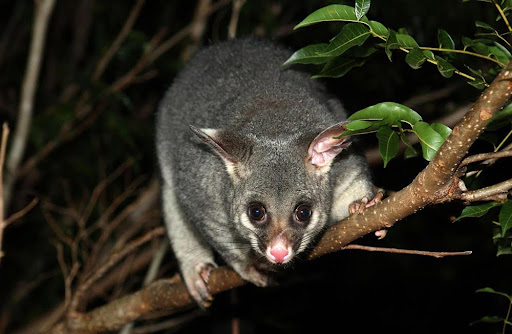
There are over 20 known species of possums in Australia, and most of them look cute and cuddly! So, what does a possum look like in real life? With their big dark round eyes, dainty pointy ears and snouts, long fluffy tails, stocky furry bodies, and cosy pouches to carry their young, it’s a shame that they only tend to come out at night!

However, don’t be fooled by their appearance. They run fast, jump high, have sharp long claws to grip tree branches and long incisor teeth to gnaw at plant fibres. They aren’t afraid to bite and scratch when feeling threatened, so it’s best to stay a safe distance away if you notice possums around your yard.

 While most of them prefer nesting above the ground in safe sheltered areas, such as tree hollows and thick vegetation, due to increased competition, they are now often found living in roof spaces in homes and businesses across Adelaide.

How to identify common possum species in South Australia

Now that you understand the general features of what a possum looks like, here’s how to tell which specific type of possum is lurking in your backyard:

Common brushtail possum

Although there are 5 main species of brushtail possums in South Australia, the common brushtail possum is by far the most established household pest. Well adapted to urban environments, you’re most likely to see or hear common brushtail possums scampering across your roof at night.
Covered with short silvery-grey fur on their backs and sides and darker tufts around their head, their bellies often have creamy pale fur. Weighing up to 4kg and growing up to 55cm long, common brushtail possums are usually the size of a small cat.
 Considered to be omnivorous, their diet consists of a variety of plants and sometimes even small lizards and insects.

Common ringtail possum

Known for their distinct, white-tipped prehensile tails which act as a fifth limb to firmly grasp tree branches, common ringtail possums are experts at climbing and jumping. For this reason, they tend to prefer living in dense bush or foliage rather than a built-up urban area, however, they are extremely adaptable and have been observed living in metropolitan backyards.

Their coat is typically grey-brown coloured, becoming whitish in colour around their bellies. Smaller in size than brushtail possums, common ringtail possums grow up to 35cm long and weigh around 1kg.

As herbivores, they will generally prefer eating eucalyptus leaves, herbs, flowers, rose buds and seeds, with the occasional piece fruit or exotic plants.

Protect your home from pesky possums, get expert advice today

or

Signs you have a possum in your roof

Look for the following tell-tale signs of a possum problem:

  • Droppings are usually 10-15mm long, cylindrical shaped and black-brown in colour. Look for them accumulating around the eaves
  • Noises coming from your roof. Listen out for thumping and scampering sounds coming from your roof at night. You’ll often also screeching, hissing, squealing grunting or growling noises, and sometimes even clicking and chattering.
  • Scratches on your gutters and roof tiles
  • Understand what a possum home looks like. Check for nests and nesting material around your roof, especially an accumulation of leaves, bark and twigs
  • Possum urine leaves behind an unpleasant ammonia-like smell

How to stop possums from entering your home

Noisy, messy and disruptive possums are a nuisance at bedtime for adults and children alike. You can take the following steps to make your home less possum-friendly:

Regular yard maintenance

Trim vegetation back so that it comes no closer than 1.5m from your home. This includes overhanging branches, shrubs, flowers and bushes. Consider erecting mesh fencing around your veggie patch to keep hungry possums away.

Identify and seal all roof access points

Broken or dislodged roof tiles, vents and cracks, gaps or holes in your roof provide easy entry sites for possums to come inside. We recommended fixing or covering these vulnerable spots quickly to prevent possums from discovering them first.

Removing food and water sources

If you have a eucalyptus tree in your yard, chances are that there may be possums hanging around as they love munching on the leaves. However, they will eat leaves, fruit and flowers from other native and exotic trees, so it’s important to be mindful of which plants you choose to populate your garden. Minimising sources of fresh water in your yard, such as ponds, pet bowls or bird baths can also deter thirsty possums from visiting.

Get fast advice on identifying what possum problems look like today

or

Safe and legal possum control

In Australia, possums are deemed to be protected wildlife in the Wildlife Act 1975, making it illegal to trap them without a special government-issued Trap and Release permit. If caught, you could potentially face a $5000 penalty.

However, Allstate is always here to help you. Our pest control technicians are all fully licensed to handle possums using safe and humane practices.

We’ll first confirm whether you have possums in your roof, and potentially even identify the species as our technicians have extensive knowledge of the behaviour and what each species of possum looks like. We’ll then locate all entry points and either install one-way doors or seal them off.

Following this, we’ll place cage traps with bait near the main entry points to capture the pest possums. Your technician will check these traps every day to ensure the welfare of any trapped live possums.

The possums will then be released to a new nesting box that has been setup within 50m of your home, as per guidelines.

To finish off, we know how messy possums can be, so we’ll make sure to clean and disinfect your roof space thoroughly to remove all traces of possum pheromone markers, and discourage them from ever returning to your roof.

For reliable and humane possum management, choose Allstate

At Allstate, we don’t want you to be kept awake at night by pesky possums thumping across your roof, hissing and fighting, and messing up your garden!

Since 1986, we’ve provided premium pest control services to homes and businesses all around Adelaide. Available 24/7 for all urgent enquiries, our highly trained, fully equipped and licensed pest control technicians are ready to assist you with innovative, safe and government compliant solutions to all your pest issues.

 With competitive warranties and payment plans offered on all our services, you don’t need to put up with chaotic possums in your roof any longer. Speak to a friendly Allstate consultant today.

Our expert team is ready to help you now

or

How To Keep Rats Away In Winter

How To Keep Rats Away In Winter

They’ll keep you up at night, eat your food and damage your furniture.

A pack of rats is the last thing you need running rampant through your home during the coldest months of the year. Learn how to protect your home with expert rat control services in Adelaide in this Hivemind blog.

What questions will this article answer?

What attracts rats to your home in winter?

Although they are active all year round, you may notice more active rats as the weather cools down. You might then wonder why this is happening after the peak breeding season has passed.

The reason? Rats thrive in temperatures between 18-23 degrees, and so they will look for warm places, such as your home, to nest and shelter! On top of this, your home also has plenty of delicious food and fresh water to help them see out a long cold winter.

Signs of a rat problem in winter

Not sure how to tell if there’s an increased rat activity in your home? Here’s some things to look for:

Roof damage

To create cosy nesting areas and widen entry points to your home, you may find rats have gnawed holes and damaged insulation in your roof.

Gnaw marks

Known for their relentless gnawing, rats will leave behind bite and gnaw marks on your walls and doors, timber structures, furniture, metal and plastic objects, as well as cardboard and paper based products in your home.

Grease marks

If you notice dark rub marks around your skirtings and walls, this could well be the result of greasy rat fur and may be a sign that the area has high foot (paw!) traffic.

Droppings

Like large grains of black rice, rat droppings are normally 1-2cm long, brown-black coloured and form a pointed oval shape. They will turn grey when dried out.

Unpleasant odour

An accumulation of rat droppings and urine isn’t just messy, it leaves behind a strong, musty and sour smell that lingers in your home.

Noises in your roof

Rats are normally most active at dusk and dawn, and you’ll often hear scratching, gnawing, scampering, rustling, chomping, clawing and squeaking sounds coming from your roof space just as you’re trying to get your beauty sleep!

Rats in your roof at night? Speak to an expert today.

or

Problems caused by increased rat activity

Pest rodents are difficult to deal with, and you definitely don’t want to be hosting a whole pack of rats in your home!

Here’s why rats don’t make the most ideal houseguests:

Health concerns

With unhygienic foraging habits, rats are known for carrying and transferring a range of germs, bacteria and nasty diseases through their fur, saliva, droppings and bites. These include hantavirus, leptospirosis and tularaemia. Some people with allergies may also find themselves sensitive to ticks and flea parasites which are found in rat fur.

They’re messy

Rats don’t just leave half nibbled food scraps scattered around the floor. In an infestation, you’ll find rat waste scattered in the most inconvenient spots in your home, as well as nesting debris and tufts of insulation floating around.

Damage to your home

To keep their constantly growing incisors under control, it makes perfect sense that rats will gnaw on anything that they can literally sink their teeth into! This can include furniture, mesh screens, pipes, timber, insulation, conduits and cables, which may lead to plumbing issues, electric short circuits and fires.

4 ways to prevent a rat problem

With the ability to reproduce quickly and at a young age, it doesn’t take long for a large population of pesky rats to be established. We’ve put together our top four tips so that you can make sure this doesn’t happen at your home:


Identify and proof all access points to your home

Quick, nimble and possessing sharp teeth which can gnaw through timber and insulation, rats can squeeze through the smallest of gaps and enter your home. However, by regularly inspecting your roof and exterior parts of your building for any holes, openings and cracks, and then sealing them, you’ll create less opportunities for a rat infestation in your home. We recommend:

  • Sealing gaps with waterproof silicone or other appropriate fillers
  • Reinforcing windows and doors with weather strips

Remove attractants

Hungry rats can detect food smells from up to 2km away and will actively scavenge for resources when the weather cools down. To keep them away from your yard consider:

  • Keeping outdoor dining areas clean and wiping down barbecues
  • Storing food in tightly sealed containers
  • Keeping less fruit and vegetable plants
  • Remove pet food, bird and chicken feed overnight

Waste management

Easy to access with plenty of food scraps on offer, rubbish bins, compost and waste areas are popular feeding sites for rats. You can avoid this problem by:

  • Keeping waste areas clean and disinfected
  • Washing rubbish bins regularly with detergent and hot water
  • Ensuring that rubbish is stored in sturdy bags and bins have well-fitted lids
  • Emptying bins regularly to prevent overflow

DIY rat deterrents

You can purchase ultrasonic rat deterrent devices and place them around your yard, making it a more hostile place for rats to visit. These targeted devices emit unpleasant ultrasonic sounds that are only detected by rats and not people.

Another natural approach is to apply strongly scented homemade sprays around your garden. These can be made by mixing water with eucalyptus and citronella oils, vinegar or cayenne pepper. Use this method with caution, however, if you have pets.

Keep rats away for good. Speak to our expert team.

or

Professional rat management

Rats breed quickly, and in the blink of an eye you have an infestation. This makes it equally important to identify the source of the increased rat activity and treat it fast.

Our approach is to locate and remove rat nests and seal off entry points to your home, and then control the rat population using:

Chemical baits

Discreet and tamper-proof, our rodent bait stations contain a targeted rodenticide making them safe to use around children and pets. We’ll place them in well known feeding areas and around entry sites to discourage rats from coming inside.

Physical traps

For more severe rat infestations that require a faster reduction of the rat population, physical traps can be set up containing bait that can lure unsuspecting rats for capture.

Choose Allstate for long-lasting and effective rat control

With the weather cooling down, the last thing you need to worry about is rats running around your home and leaving a mess.

Rest assured, Allstate has you covered.

Our friendly and highly trained pest technicians are always fully equipped with modern and targeted treatments to successfully resolve rat problems in residential, commercial and industrial settings.

Since 1986, Allstate has provided premium pest control services to all suburbs of Adelaide.

We’re available 24/7 for urgent enquiries and offer payment plans and competitive warranties on all our treatments.

Don’t let a few rats turn into a full blown infestation and ruin your cosy winter plans – reach out to Allstate today.

Our expert team is ready to help you now

or

Are Termites Active in Winter?

Are Termites Active in Winter?

The short answer: yes! Winter is an important time as any to protect your home against termites. Read on to learn how to termite-proof your home this winter. 

What questions will this article answer?

What are the signs of termite activity in winter?

Termites are known to be active all year long, so here are some ways to tell if they may have reached your home:

Structural damage to your home

When you start seeing physical changes to your home from termite damage, it’s often too late, as termites have probably already been there for quite some time. You may notice problems in walls, ceilings, floors and paint such as holes, buckling, blistering, warping, sagging and flaking. Windows and doors may seem harder to open and shut.

Mud tubes

If you notice brown trails of hardened dirt along walls, crawl spaces or timber beams, these mud tubes are a strong indicator of active termites in winter. Built by working termites, these tunnels are around 0.25-1 inch in diameter and designed to protect foraging termites from predators and the elements while they’re moving between the nest and food source.

Hollow sounds when tapping wood

When termites have tunnelled through a timber structure, the empty space that is left behind will be exposed by a hollow, echoing sound when the timber is tapped. This is a hidden sign of termite damage meaning that the structural integrity of the timber has been significantly compromised.

Termite swarming and discarded wings

As spring approaches, termite colonies prepare for swarming. If you notice flying termites, also known as swarmers, near tree stumps, wooden sleepers or woodpiles, as well as discarded wings near windowsills and doors, this is a sign of termites in your area.

Clicking sounds

Although they are mostly silent while they do their damage, you may occasionally hear faint clicking noises coming from your walls during peak termite tunnelling activity. Soldier termites can also initiate clicking noises to warn their fellow termites of imminent danger.

Termite droppings

At less than 0.04 inches long and resembling wood-coloured piles of sawdust, termite droppings can be hard to see and even mistaken for something else.

Drywood termites in winter

Unlike subterranean termites, drywood termites require less moisture to survive, and as a result, live exclusively in dry wood as their name suggests. They usually live higher up from the ground in wooden and timber structures and furniture, and as a result, are unaffected by cold weather.

As they don’t tend to leave mud tubes, it can be difficult to spot drywood termites in winter, so you may not know that they are there until they have carried out significant damage.

Worried about termites in your home? Speak to an expert today

or

Subterranean termites in winter

Although the ground surface temperatures may be freezing, subterranean termites living in underground nests will often burrow down deeper where the soil is warmer and seal off the openings to avoid cold draughts and warm air escaping.

You’ll also notice that worker termites forage closer to their nests for food in winter and focus more on nest maintenance and repair. In fact, many workers may not survive the cold weather.

Queens also lay less eggs and there is overall a lower population of termites, with less activity in the nest to try and conserve energy and heat.

For the termites that have managed to penetrate timber inside your home, however, winter has very little effect. The large amount of activity generates heat and having protection from the harsh elements means that they can stay warm and full of food all year long!

Swarming termites in winter

It’s highly unlikely that you’ll see swarmers emerge until the very end of winter, when the temperatures start to rise heading into spring. If you do see termite swarmers, it means that the risk of an outbreak near your home is higher because they are scouting for a good location to start up a new nest.

How to prevent termites in winter

Here are some simple ways to make your home and yard a less appealing place for termites to settle:

Regular yard maintenance

Termites thrive where there is plenty of wood, so if you have lots of trees, rotting tree stumps, woodpiles, wooden sleepers, furniture or plant holders, it’s best to either remove them or ensure that they are kept away from your house at the very least.

Prevent all sources of moisture

Effective termite prevention includes addressing damp environments which help them to maintain enough moisture in their thin outer shells to survive. It also aids in their ability to digest the tough cellulose fibres in the wood that they consume. This means that you’re more likely to attract termites if you have a pond, bird baths or leaky plumbing, or live near a large body of water.

Also check that rooms in your home with higher humidity are properly ventilated, and that the soil on your property is well drained.

Termite inspections

Because termites are difficult to spot, the only way to know whether or not you have them is with a termite inspection. Fully equipped with the latest in termite detecting tools, Allstate’s licensed termite inspectors will thoroughly check all outdoor and indoor areas for even the most subtlest signs of termite activity.

Termite Inspections

The most reliable way to avoid a termite infestation is to have regular comprehensive termite inspections.

Conducted by licensed termite inspectors, a government-recommended yearly termite inspection is the best form of termite protection that you can get.

For those who live in areas of higher risk, more frequent inspections are ideal. This includes buildings that are situated near a large body of water or have experienced a previous termite attack.

Don’t delay your termite inspection. Speak to our expert team today.

or

Professional termite control

If you have a termite outbreak, Allstate offers several modern and effective treatments that can be tailored to your individual situation.

Before applying any treatments, our first step in every termite management plan is to always conduct a thorough assessment to get to the source of the outbreak.

Then, to reduce the active population, we use the following termite treatments

Premise termiticide spray

Applied directly to soil in designated treatment zones, this non-repellent spray contains a targeted active ingredient called imidacloprid, which acts powerfully to repel termites. It is commonly used in areas which are known to have active termites.

Sentricon Always Active bait stations

For long term termite protection, a Sentricon barrier around the perimeter of your building has been shown to be highly effective. Discreetly installed underground at every 3 metres, Sentricon bait stations contain hexaflumuron, which disrupts the termite life cycle.

For reliable and long-lasting termite management, choose Allstate

Once termites have entered your home, they’ll stay all year long. Even when it’s the middle of winter, Allstate is always here to help.

Since 1986, we’ve successfully managed termite outbreaks in homes and businesses in all suburbs of Adelaide. Available 24/7 for urgent advice, our licensed and highly knowledgeable team of pest technicians can assist you with safe and non-toxic termite solutions.

With comprehensive warranties and easily accessible payment plans on all our termite products and services, you can trust that you’ll be protected from termites for good.

Our expert team is ready to help you now

or

What Does Rat Poop Look Like? How to Identify and Handle It

What Does Rat Poop Look Like? How to Identify and Handle It

Rats don’t need an invite to settle in, but they sure leave a trail when they do. One of the most telling (and frankly gross) signs of a rat infestation is the sudden appearance of rat poop in places you least expect—under sinks, behind cupboards, or near the pantry. But how do you identify rat poop, and more importantly, what should you do if you find it?

Allstate Pest Control takes a look at the murky world of rat poop, what it can tell you about the rodents living in your space, and how to deal with them safely.

What Does Rat Poop Look Like?

The appearance of rat poop can vary slightly depending on the species, diet, and how fresh the droppings are. Typically, rat feces are:

  • About 12-18 mm long (roughly the size of a grain of rice)
  • Spindle-shaped with rounded or slightly pointed ends
  • Dark brown to black in colour
  • Found in clusters of 30–50 pellets per day (yes, rats poop that much!)

The most common species of rats in Australian homes are the Norway rat and roof rat, and their droppings differ slightly in size and shape. Norway rat poop tends to be blunt at the ends, while roof rat poop is more tapered.

Wondering how big is rat poop compared to other animals? Possum droppings can look similar in size but are usually more clumped together and less tapered. On the other hand, mice droppings are significantly smaller—about 3–7 mm—and more pointed at both ends.

Does Rat Poop Smell?

Yes, and it’s not pleasant. Rat droppings and rat urine emit a strong musky smell, especially when there’s a large number of fresh droppings. That odour can linger in enclosed spaces and may be your first clue that rats are nesting nearby.

In addition to the unpleasant rat poop smell, their waste contains harmful bacteria that can contribute to poor indoor air quality and even pose serious health risks.

Is Rat Poop Dangerous? Understanding the Health Risks

Rat droppings are far from harmless; they can carry diseases and pathogens that pose health risks to both humans and pets. According to the New South Wales Health and other public health sources, exposure to rat faeces can lead to:

  • Rat bite fever: A bacterial infection that can occur through direct contact with rat feces or contaminated food. Symptoms include flu-like symptoms, muscle aches, vomiting, and rash.
  • Leptospirosis: A bacterial disease spread through rat urine or contaminated water. It can lead to kidney or liver damage.
  • Salmonellosis: Spread by contaminated food or water, this infection causes diarrhoea, fever, and stomach cramps.
  • Lymphocytic choriomeningitis (LCMV): A viral disease carried by rodents. Infection can result in neurological symptoms and severe complications during pregnancy.
  • Hantavirus renal syndrome and hemorrhagic fever: Though rare in Australia, these are risks in areas where rodent populations surge.
  • Historical diseases like bubonic plague may seem outdated, but yes, it’s historically linked to rat waste and fleas.

Beyond infectious diseases, rat droppings may trigger allergic reactions or worsen asthma, especially in children. It’s essential to take them seriously.

    Protect your house from a pest outbreak, get expert advice today

    or

    How to Identify Rat Poop in Your Home

    Knowing how to identify rat poop can help you act quickly. Here’s what to look for:

    • Quantity: Rats defecate frequently. Finding a lot of droppings in a small area? That’s a red flag.
    • Location: Find rat poop near food sources, walls, roof voids, or under furniture.
    • Fresh vs old: Fresh rat poop is shiny and soft, while old droppings are dry, crumbly, and dull. This can tell you if the infestation is active.
    • Dropping size: Larger droppings likely mean adult rats, while smaller droppings could mean babies—or mice.

    What To Do When You Find Rat Droppings

    Rat droppings aren’t just gross—they require immediate and safe attention. Here’s how to clean them up without risking your health:

    Step 1: Wear protective gear

    Before handling any animal feces, make sure to put on rubber gloves, a dust mask, and even plastic gloves if needed. This prevents contact with harmful bacteria or airborne particles from dry droppings.

    Step 2: Ventilate the area

    Open windows and doors for at least 30 minutes before cleaning, especially in enclosed spaces.

    Step 3: Do not sweep or vacuum

    Sweeping can spread tiny droplets of bacteria and pathogens into the air. Instead, spray the area with a household bleach or bleach solution (1 part bleach to 10 parts water) and let it sit for 5 minutes.

    Step 4: Wipe and dispose

    Use a paper towel to pick up the droppings, and dispose of it in a plastic bag. Seal it tightly and throw it into a covered garbage bin that’s regularly emptied.

    Step 5: Disinfect

    After removing the droppings, disinfect the area again and wash your hands thoroughly with soap and warm water—even if you were wearing rubber gloves.

      Rat Droppings = Rat Infestation Warning Sign

      One or two droppings may indicate a curious visitor. But clusters? That’s usually a sign of a growing rat infestation. Don’t ignore it.

      Keep an eye out for other signs of rodents too: gnaw marks, musky smell, noises in the roof at night, rat urine stains, or sightings of a dead rodent.

      Rats and mice are most active at night, and they love warm, food-rich environments. Rats love pet food, grains, and crumbs—so keep all food sealed and stored properly.

        How to Get Rid of Rat Droppings and Control Infestations

        Getting rid of rat droppings is only half the job. You also need to get rid of what caused them: the rats themselves.

        At Allstate Pest Control, we help South Australian homes and businesses handle rat infestations safely, quickly, and effectively. Our pest specialists use humane, long-term pest control solutions, including:

        • Safe poison baits when appropriate
        • Sealing entry points
        • Removing attractants
        • Monitoring and rodent droppings checks

        Need a rat or mice removal in Adelaide? We’re available 24/7 for emergencies—because rats don’t stick to business hours.

        Act fast on pests around your warehouse, speak to an expert today

        or

        Frequently Asked Questions About Rat Poop

        What does rat poop look like compared to mice or possum droppings?

        Rat poop is larger (12–18 mm long) while mice droppings are smaller and pointy. Possum droppings are more cylindrical and often mistaken for rat droppings, but they’re usually larger, more clumped, and found outdoors near trees or roofs. Location and shape help differentiate them.

        Is rat poop dangerous to touch?

        Yes. Rat faeces can carry bacteria, viruses, and parasites. Always use rubber gloves and avoid direct contact with the substance. Inhaling dust from dried droppings can also pose serious health risks, such as lymphocytic choriomeningitis (LCMV), which has been reported in Australia and is associated with exposure to rodent droppings and urine in poorly ventilated areas.

        How can I tell if rat poop is fresh or old?

        Fresh rat poop is soft, shiny, and dark. Old droppings look grey, dry, and are easily crushed. The condition of the droppings can indicate if the infestation is still active.

        Where do rats usually leave their droppings?

        Rat droppings are often found near food, in roof spaces, wall cavities, behind kitchen appliances, or along skirting boards. Rats defecate near their nesting and feeding sites.

        What are the safest ways to get rid of rat droppings?

        Use rubber gloves, a paper towel, and a bleach solution. Never vacuum or sweep. Dispose of waste in a sealed plastic bag and disinfect the area thoroughly. Contact us at Allstate Pest Control to remove the rats or mice.

        Choose Allstate for Effective and Long-Lasting Rat Infestation

        Rat droppings might seem like just a mess to clean, but they’re often the first warning sign of something more serious. If you’ve started to find rat poop regularly in your home or business, it’s time to act, not just to clean, but to prevent it.

        Allstate Pest Control has nearly 40 years of experience helping South Australians manage rodents, recover safely from pest infestations, and breathe easier. Got questions? We’re just a call away, 24/7.

        Our expert team is ready to help you now

        or