







prevention-icon

Termites

prevention-icon

Ants

prevention-icon

Cockroaches

prevention-icon

Spiders

prevention-icon

Birds

prevention-icon

Bed Bugs

prevention-icon

Bees & Wasps

prevention-icon

Rats & Mice

prevention-icon

Possums

prevention-icon

Biting Insects

prevention-icon

Disinfection Services

Keeping your home pest-free while you’re away

Keeping your home pest-free while you’re away

KEEPING YOUR HOME PEST-FREE WHILE YOU’RE AWAY

Hooray for summer! If you’ve planned a trip away, it could be the perfect opportunity for nuisance pests to come over and make themselves at home. Avoid an unwanted pest outbreak while you’re away by following our top 8 tips in this Hivemind blog.

What questions will this article answer?

Tip 1: Proper food storage

Hungry pests are expert scavengers, possessing many finely tuned sensors which can detect food from farther away than you’d think!

For this reason, we recommend keeping your dry food items covered and stored in tightly sealed containers in your pantry. This includes pet food, chicken and bird feed.

For more perishable food, consider storing it in the freezer to avoid it spoiling in the fridge while you’re away.

Tip 2: Practice proper waste disposal

With many pests such as blowflies attracted to rotting waste to feed and lay eggs, it won’t take long for an outbreak to happen if you’re away on holidays.

That’s why it’s important to empty your rubbish bins before you head off. Keep waste in tightly sealed bags in bins with well-fitted lids. It’s important to ensure that all compost is properly covered, and not left on the ground for easy access.

Tip 3: Keep your house clean

Pests such as cockroaches are attracted to food spills, crumbs and grease, so make sure to wipe these away from your kitchen, food preparation areas, dining surfaces and floors, and disinfect as soon as possible. This includes outdoor dining areas and barbecues.

Remember to wipe down your sink and cooktop, and wash used dishes and cutlery immediately after use. Don’t forget to keep cupboards, shelves, the oven, dishwasher, fridge and other kitchen appliances clean as well.

Decluttering your home regularly, especially less frequently used rooms, is also effective in reducing the number of available hiding spots for pests to nest and lay eggs.

Regularly sweeping, vacuuming, mopping your floors can clear away eggs and larvae. Take care to check behind and underneath furniture as well. Steam cleaning curtains and fabric furniture and linen can sterilise eggs and larvae due to the higher temperatures.

Don’t let pests ruin your holiday plans. Get fast advice today.

or

Tip 4: Regular yard maintenance

Reducing attractants to your yard, access points to your home and hiding spots for pests can make a big difference to the number of uninvited guests that come over while you’re away. Here’s some of our suggestions to cultivating a pest-free yard:

Tip 5: Remove sources of moisture

Just like people, pests need water to survive, and many of them thrive in areas with high moisture. That’s why it’s important to identify and remove sources of water, such as water bowls, bird baths and ponds and check that pot plants have adequate drainage.

Fix leaking plumbing outlets including taps, drains and pipes as soon as possible, and check that laundry and kitchen appliances are not leaking.

Tip 6: Sealing off all entry points

With the ability to squeeze through the smallest and most unlikely spaces, clever pests can easily enter your home if left unchecked. The key is to regularly inspect your home for potential access points and seal them off promptly. Here’s what we recommend to deny nuisance pests an easy passage inside your home:

  • Install fly or mesh screens over vents, windows and doors
  • Fit weather strips around windows and doors
  • Cover gaps underneath doors with draught excluders
  • Inspect your home for gaps, cracks, crevices and holes and fill them with caulk, putty, expanding foam, silicone or other appropriate waterproof sealants
  • Inspect your roof for loose tiles and repair them
  • Seal off vents with tough, fine mesh
  • Install chimney grates or caps

Avoid coming home to an unexpected pest outbreak. Speak to Allstate today.

or

Tip 7: DIY pest prevention

If you’re proactive about deterring pests around your home, you’ll be far less likely to experience an outbreak. Here’s some of our favourite simple DIY techniques:

  • Aerosol pesticide sprays are a popular spot treatment for pests that are readily available from hardware stores and supermarkets
  • Sprinkling diatomaceous earth around the perimeter of your home can deter crawling insects
  • Bait stations which target different types of pests can also be purchased from hardware stores
  • Mothballs offer long-lasting protection against fabric pests in your wardrobe and linen cupboard
  • Homemade sprays made from a mixture using natural household items such as vinegar, essential oil and spices can be effective at keeping pests away

Tip 8: Professional pest control

If you’re finding yourself being plagued by pests despite your best DIY efforts, it’s time to call in the experts. At Allstate, our licensed pest technicians receive ongoing training to quickly detect and effectively manage pest outbreaks in the safest way possible.

We’ll identify the source of the infestation, then apply a deep understanding of pest behaviour and select the best targeted, family and pet-safe physical and chemical treatments. These include:

  • Aerosol sprays, fumigation and fogging
  • Control dust
  • Traps and baiting stations

We also offer a range of pest prevention services designed to safeguard against potential future outbreaks:

Solar panel cleaning and proofing

Providing a safe, warm place for pest birds to nest underneath, solar panels are a common source of many pest bird outbreaks. You can protect your solar panels with Allstate’s solar panel proofing and cleaning service.


Property maintenance services

If you’ve had a previous pest outbreak, it’s important to clean up the mess left behind to avoid re-attracting pests to your home. At Allstate, we can refresh your home and yard with our comprehensive property cleaning and maintenance services before you travel, ensuring that you can return to a sparkling clean, pest-free home.

Choose Allstate for reliable and long-lasting summer pest control

Summer holidays are best spent with family and not worrying about pest outbreaks. At Allstate, we’re here to help you make sure that your holidays are stress and pest-free.

Since 1986, we’ve successfully managed pests in residential, commercial and industrial settings across all suburbs of Adelaide. Available 24/7 for urgent enquiries, our highly trained pest technicians use modern pest detection equipment and innovative treatments which are nontoxic towards pets, children and the environment.

With competitive warranties and payment plan options on all our services, you can look forward to returning to a pest-free home after your next summer holiday adventure.

Our expert team is ready to help you now

or

Does summer heat cause pest infestations

Does summer heat cause pest infestations

DOES SUMMER HEAT CAUSE PEST INFESTATIONS?

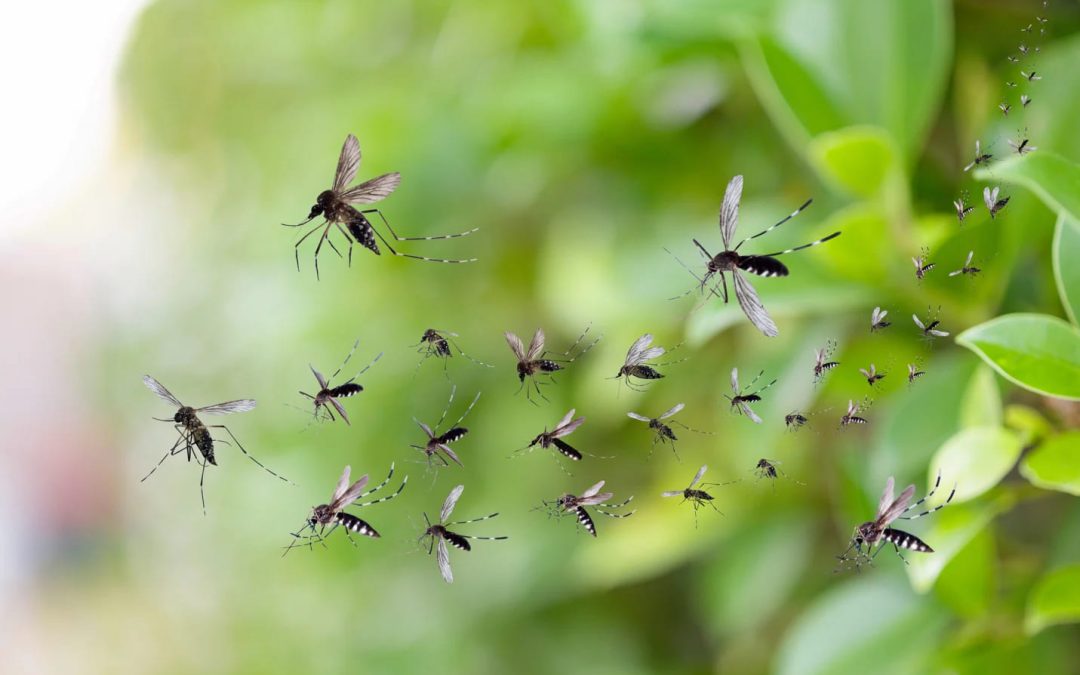
For many pests, summer is their peak season and it’s not hard to understand why. When provided with ideal conditions to thrive, homes and businesses across Adelaide face a higher risk of a pest outbreak. Learn about how hot weather influences pest behaviour in this Hivemind blog.

What questions will this article answer?

Pests are more active in summer

Many pests are cold blooded, including spiders, mosquitoes, ants, cockroaches, flies, fleas, moths, pest bees, wasps and termites. This means that their body temperature and activity levels vary depending on their environment.

The arrival of summer will bring them out of hibernation over winter, and gives them more energy to be active, scavenge for food, seek shelter and breed.

For some pests, particularly pest bees and wasps, the longer days also give them more time to cause a nuisance in your garden.

Increased humidity

Many pests rely on a source of water to thrive, so combining increase in temperature with higher levels of humidity provides the perfect conditions for many pests to flourish.

From sprinklers, backyard bird baths and ponds, overflowing pot plants, to leaking plumbing and appliances, pests are clever at seeking out sources of moisture wherever the mercury heats up.

For pests that live within colonies underground, such as subterranean termites and ants, the increased dampness in the soil will also cause a spike in population growth.

Wooden structures can also absorb more moisture in hot, humid weather. This attracts pests such as carpenter ants, subterranean termites and cockroaches.

Hot weather drives pests to seek shelter

Just like people, pests will want to seek shelter in the scorching heat, and find safe, quiet hiding spots to nest and lay eggs.

This could drive them inside your home, for example, inside your roof space or kitchen, in search of food and water.

Don’t get swamped by a summer pest outbreak, speak to an expert today

or

Ideal breeding conditions

For many pests, the hot weather doesn’t just make them more active. It speeds up their reproductive and life cycles. This means that you’ll see more pests reaching their reproductive age sooner. As a consequence, outbreaks can happen quicker in summer, and you’ll need to act fast if you want to bring the problem under control. Here are some pests that you’ll need to watch for in a summer heatwave:

  • Mosquitoes mature between an optimum temperature range of 25-30 degrees Celsius
  • Flies take about 7-10 days to become adults, but this is faster in hot weather
  • Fleas normally develop from an egg to an adult in about 2 months, but in summer, this process can be sped up to about 3 weeks
  • The ideal breeding conditions for cockroaches are 29-35 degrees Celsius

More food sources are available

As your garden begins to flourish in the warmer weather, hungry pests emerging from hibernation will find a smorgasbord of food options. Common sources of food include fruit, vegetables, tree sap, pollen, rubbish bins, pet food and other food scraps. This means that you can expect more bees, ants, possums and other foraging pests.

With outdoor dining also on the rise, your picnics and barbecues can also attract rodents and birds, which can detect food smells from far distances away. They are always keen for crumbs and leftovers!

If you find that your compost pile is growing along with your garden, this can also attract pests to your yard, as does an overflowing rubbish bin.

Don’t let summer pests feast on your food, get fast advice today

or

How to prevent summer pests

You can get ahead of a summer pest influx by taking the following simple steps to prepare your home 


Keep food stored away

Do not leave food out in the open for hungry pests. Instead, keep it covered or even better, store it in sturdy, well-sealed containers in your pantry or fridge. Don’t forget to do the same for pet food.


Proper waste disposal

Ensure that rubbish is secured in plastic bags and bins have tight fitting lids. Avoid leaving compost uncovered.


Maintain a clean home

Wipe down and disinfect your kitchen and dining areas, including outdoor dining areas and barbecues. Regularly sweep, mop and vacuum floors.


Remove sources of water

Avoid leaving pet water bowls out, and refrain from keeping ponds and bird baths. Consider keeping your swimming pool covered. Fix leaking taps, drains and pipes.


Garden and yard maintenance

Keep lawns tidy and mowed, and trim back tree branches and bushes away from the sides of your home.


Remove entry points

Regularly inspect your home for gaps, cracks and holes and seal them over. Fix loose roof tiles and install fly screens where possible.

Professional summer pest management

Having successfully controlled pest outbreaks for over 35 years, our team is fully equipped with early pest detection equipment to identify the source of your infestation.

Then, we will implement a tailored pest management plan, using a range of nontoxic treatments which are safe for children, pets and the environment.

Our range of Australian Pesticides and Veterinary Medicines Authority approved treatments include:

  • Chemical treatments such as aerosol sprays, fumigation and fogging
  • Physical treatments such as traps, bait stations, netting, bird spikes

We will also make recommendations for long term pest prevention to safeguard your home against the threat of future outbreaks.

Choose Allstate for fast and reliable summer pest control

While it may seem like summer gives pests the upper hand, rest assured that you can always count on Allstate to quickly manage any outbreaks that happen.

Locally operated since 1986, Allstate offers premium pest control services to Adelaide homes and businesses. Available 24/7 in all suburbs of Adelaide for urgent advice, our highly trained team provides modern and innovative solutions to residential, commercial and industrial pest issues of all sizes.

With competitive warranties and payment plans available, you can look forward to enjoying a pest-free summer sooner rather than later.

Our expert team is ready to help you now

or

Top 5 Termite Species Found in Adelaide

Top 5 Termite Species Found in Adelaide

Termites, also known as white ants, are social insects that thrive in colonies and play a vital role in breaking down dead wood and other organic matter. However, in urban environments, these pests often target wooden structures, causing significant damage to homes and buildings. Adelaide is home to several species of termites, and understanding these species is essential for effective management.

Identifying termite varieties helps prevent structure collapses and reduce the risks they pose. With Allstate Pest Control’s expertise, this article highlights the common species found in Adelaide and methods to protect properties. Learn more about pest management at Allstate Pest Control.

What Are Termite Species?

Termite species are closely related groups of social insects that vary in their habitat, behaviour, and impact on human environments. Globally, there are over 3,000 species, with many found in Australia. Each species has unique characteristics, including nesting preferences, damage potential, and moisture requirements.

In Adelaide, identifying different species of termites is critical for pest control as they target structures differently. For example, subterranean termites live in soil and rely on moisture, while dry wood termites prefer dry wood in fence posts and tree stumps.

Subterranean Termites: The Common Culprit in Adelaide

Subterranean termites are one of the most destructive termite varieties in Adelaide and are responsible for most infestations.

  • Description: These tiny insects have soft, pale bodies and depend on moisture for survival.
  • Habitat: They build underground tunnels in soil to access wooden structures like houses and buildings.
  • Signs of Infestation: Look for mud tubes along walls, hollow-sounding timber, and peeling paint.
  • Potential Damage: Their colonies cause extensive damage, often leading to structure collapses.
  • Management Tips: Regular termite inspections, baiting systems, and soil treatments are key to protecting buildings.

Ring Ant Termites: Secondary Threats to Homes

Ring ant termites are a damaging but less common termite variety in Adelaide.

  • Unique Features: These small pests are brownish with prominent mandibles and belong to the soldier caste.
  • Nesting Habits: They favour decaying wood, creating nests near tree stumps and fence posts.
  • Infestation Signs: Powdery residues and discarded wings around wooden structures indicate their presence.
  • Effective Treatment: Control methods include moisture reduction, professional inspections, and termite baiting systems.

Tree-Nesting Termites: Arboreal Invaders

Tree-nesting termites, known for building arboreal mounds, primarily reside in trees but may extend to wooden structures.

  • Appearance: These termite pests are dark-coloured with distinct segmented bodies.
  • Natural Habitats: Found in dead trees, they often target tree stumps and telephone poles.
  • Damage Potential: They weaken outdoor structures and, if left unchecked, spread to homes.
  • Control Measures: Annual inspections, tree trimming, and chemical barriers help manage infestations.

Dampwood Termites: The Moisture Lovers

Dampwood termites, while rarely found in Adelaide homes, still pose risks in specific conditions.

  • Behaviour: These termites require damp environments and are often seen in decaying wood.
  • Habitat: They infest dead trees, fence posts, and wood with leaks or high humidity.
  • Prevention: Fix plumbing leaks, improve ventilation, and replace infested wood with treated materials.

Giant Northern Termites: Rare but Destructive

Giant termites, also known as Giant Northern Termites, are Australia’s most destructive species but are uncommon in Adelaide.

  • Characteristics: They are more prominent, with strong jaws capable of devouring small pieces of timber quickly.
  • Threat Level: Known for causing extensive damage in regions like New South Wales, they occasionally appear in Adelaide.
  • Protection Tips: Use termite fumigation and maintain a regular inspection schedule to safeguard properties.

    Don’t delay your termite inspection, speak to our expert team

    or

    Conclusion

    Adelaide’s termites, from subterranean to giant termites, pose significant risks to structures and wooden buildings. Regular inspections and tailored pest control solutions are essential for long-term protection. Trust Allstate Pest Control for expert termite management. Book an inspection at Allstate Pest Control.

    Frequently Asked Questions

    What are the most common termite species in Adelaide?

    The subterranean termites are the most common and cause significant damage in the area.

    How can I identify different termite species in my home?

    Inspect for mud tubes, hollow-sounding timber, and discarded wings. Contact a professional for precise identification.

    What is the most destructive termite species in Australia?

    The Giant Northern Termite is the most destructive, capable of causing severe structural damage.

    How do professional inspections help in termite management?

    Experts detect early signs of termites and implement targeted treatments to prevent infestations.

    Are eco-friendly termite treatments effective against Adelaide species?

    Yes, methods like baiting systems and chemical-free barriers effectively manage Australian termite species.

    How to keep Pests away in Summer

    How to keep Pests away in Summer

    How to keep Pests away in Summer

    With many of us getting excited about the upcoming summer holidays, the last thing on anybody’s mind would be dealing with a pest outbreak. Unfortunately, being the peak season for many pests, summer pest outbreaks are relatively common. Keep your home safe from unwelcome pests by reading this Hivemind blog.

    What questions will this article answer?

    Why are there more pests in summer?

    Just as your garden comes alive in warm weather, so do household pests! Summer provides ideal conditions for the survival of many pests, including ants, mosquitoes, flies, fleas, cockroaches and venomous spiders. You’ll notice that many of these creepy crawlies emerge from hibernating to breed and forage for food.

    Ants

    Emerging from their hibernation period in winter, ants will once again be seen foraging for food along ant trails from their nests and it doesn’t take long for an army of ants to appear.

    From your garden to the rubbish bin to your kitchen, ants will march almost anywhere for their next meal, contaminating your food and surfaces, and spreading germs and diseases as they go. If you happen to step in their path, you may even experience the sharp pain of an ant bite, which can cause swelling if you’re allergic. These bites can be particularly unpleasant if you happen to encounter a fire ant.

    Thankfully, there’s several ways to reduce the risk of an ant infestation. We recommend:

    • Storing food away in tightly sealed containers and avoid leaving pet food out
    • Cleaning your kitchen regularly, wiping surfaces and removing food spills immediately
    • Keeping rubbish bins and compost properly covered
    • Maintaining your yard by disposing of fallen fruit, keeping the lawn tidy and removing piles of vegetation
    • Inspecting your home for all possible entry points and sealing them off
    • Applying insecticide sprays and positioning bait stations

    If you’re still struggling to combat an ant invasion at home, you don’t need to worry. Allstate has a range of proven treatments for all types of ants. This includes control dust, insecticide as well as chemical baits.

    Get fast treatment for crawling insects. Speak to Allstate today.

    or

    Mosquitoes

    With summer being their peak season, hungry mosquitoes are often heard buzzing around looking for suitable hosts to feed off. Famous for their irritating, itchy bites, which can trigger allergies, mosquitoes move from host to host drawing blood and potentially spreading nasty diseases such as Dengue fever, Ross River virus, Yellow fever and Barmah Forest virus.

    That’s why we encourage preventing skin contact with mosquitoes by wearing long sleeved clothing and applying insect repellent.

    Although they’re tiny, it’s possible to stop mosquitoes from flying inside your home by:

    • Installing mesh screens over your windows and doors
    • Removing sources of moisture, including pet water bowls, ponds, bird baths, leaking taps and drains, and making sure that plant pots have adequate drainage

    If they’re becoming a major nuisance, Allstate offers a range of professional treatments that target all stages of the mosquito life cycle, as well as fogging sprays and residual barrier sprays for ongoing protection.

    Flies

    It certainly wouldn’t be a normal Aussie summer without a few flies hovering around your barbecue, but you certainly don’t want them all over the place, either. They can be noisy and distracting, all while spreading germs and diseases from their unhygienic foraging habits. Once they’ve established a breeding site and laid their eggs, you may even find yourself dealing with crawling maggots!

    If all this sounds stressful to you, rest assured thatplenty of ways to stop a fly outbreak from happening. Here’s how:

    • Install fly screens over doors and windows around your home, paying special attention to kitchen, dining and waste storage areas
    • Practice proper food storage to avoid attracting flies
    • Keep kitchen and dining areas clean by regularly wiping and disinfecting surfaces, including floors, and clearing food spills, crumbs and grease
    • Wash used dishes and cutlery immediately
    • Turn on fans
    • Apply insecticide spray where it is safe to do so

    However, if your fly problem is simply overwhelming, you may need professional fly management. Allstate uses aerosol sprays, fogging and dusting powder to keep flies away for good.

    Fleas

    While we’re busy keeping pests away from our homes, let’s not forget our furry friends! With more active fleas around in the warmer months, our pets can be silently suffering without us having a clue.

    Red-brown coloured and around 2mm long, fleas can sometimes be hard to spot, but it’s important to check our pets’ fur for signs of flea infections, look out for flea eggs and droppings, and be aware of changes in pet behaviour.

    You can keep your home and pets flea-free by taking the following steps:

    • Managing other pests which can introduce fleas to your home, such as rodents and pest birds
    • Conducting regular yard maintenance to reduce flea hiding and breeding spots, such as lawns and piles of vegetation
    • Regular cleaning, especially in areas are frequented by your pets, including rugs and furniture
    • Wash pet bedding using hot water
    • Grooming and washing your pets
    • Fitting your pet with a flea collar
    • Taking your pet to your local trusted vet

    For all persisting flea issues, Allstate can assist with flea control dust and insecticide treatments.

    Avoid getting bitten by a flying insect problem. Get fast advice today.

    or

    Cockroaches

    With the ability to survive all year round in all types of living conditions, cockroaches breed in the spring and you’re most likely to spot them at night. Famous for spreading illnesses and diseases such as gastroenteritis, typhoid fever, cholera and dysentery, you’ll definitely want to avoid the mess of an outbreak if possible.

    With an appetite for a wide variety of food in your pantry as well as rubbish bin, it’s best to keep cockroaches as far away from your home as possible. Here’s how:

    • Practicing good hygiene including handwashing
    • Ensure that food is tightly covered and stored away
    • Clean your kitchen, food preparation and dining areas regularly using disinfecting products
    • Wipe up food spills and crumbs immediately
    • Keep your cupboards and shelves, oven and dishwasher clean
    • Inspect your home for potential entry points inside and seal them over with filler, silicone or expanding foam. Seal off vents if possible
    • Check for leaking drains and pipes and fix them as soon as possible

    Still struggling with a cockroach problem? Allstate can help. We use a range of innovative control measures including fumigation, cockroach baiting and heat treatments.

    Venomous spiders

    Although most spiders in Australia are harmless, the notorious venomous redback and certain species of funnel web spiders are known to strike fear in many. This is because their bites contain toxic venom which requires immediate medical attention.

    The good news is, redbacks and funnel webs are not aggressive unless they are disturbed. Here’s how to identify them:

    • Redback spiders are 1.5mm long and black coloured with a distinct red stripe on their upper abdomen. They create messy and irregular, but strong and sticky cobwebs
    • Funnel web spiders are 1-5cm long, glossy-looking, black-brown in colour and covered with fine hairs. They build non sticky, funnel shaped webs burrows to live in, and hunt for their prey. You’ll most likely find them under rocks, or inside logs.

    You can prevent spiders from visiting your home by taking the following steps:

    • Identifying and covering all entry points, including vents and cover gaps underneath doors using draught excluders
    • Remove clutter from your home so there are less hiding spots
    • Reduce the number of insects around your home, which will attract spiders

    If you’re concerned about having venomous spiders, we don’t recommend approaching them yourself. At Allstate, our technicians are professionally trained to handle all types of spiders. We offer effective spider treatments such as spider control dust and insecticide sprays to protect you and your family from venomous spiders.

    Choose Allstate for reliable and effective summer pest control

    The summer holidays are a great time to enjoy time with friends and family, rather than dealing with annoying pest outbreaks.

    Locally operated since 1986, Allstate has provided high quality pest control services to homes and businesses in all suburbs of Adelaide. Available 24/7, offer long-lasting pest management solutions to clients in residential, commercial and industrial settings, using a range of safe, modern and innovative treatments.

    With access to payment plans and competitive warranties covering all of our services, you can stay pest-free all year round by reaching out to Allstate today.

    Our expert team is ready to help you now

    or

    Top 5 Termite Species Found in Adelaide

    Drywood Termites: Are They in Adelaide?

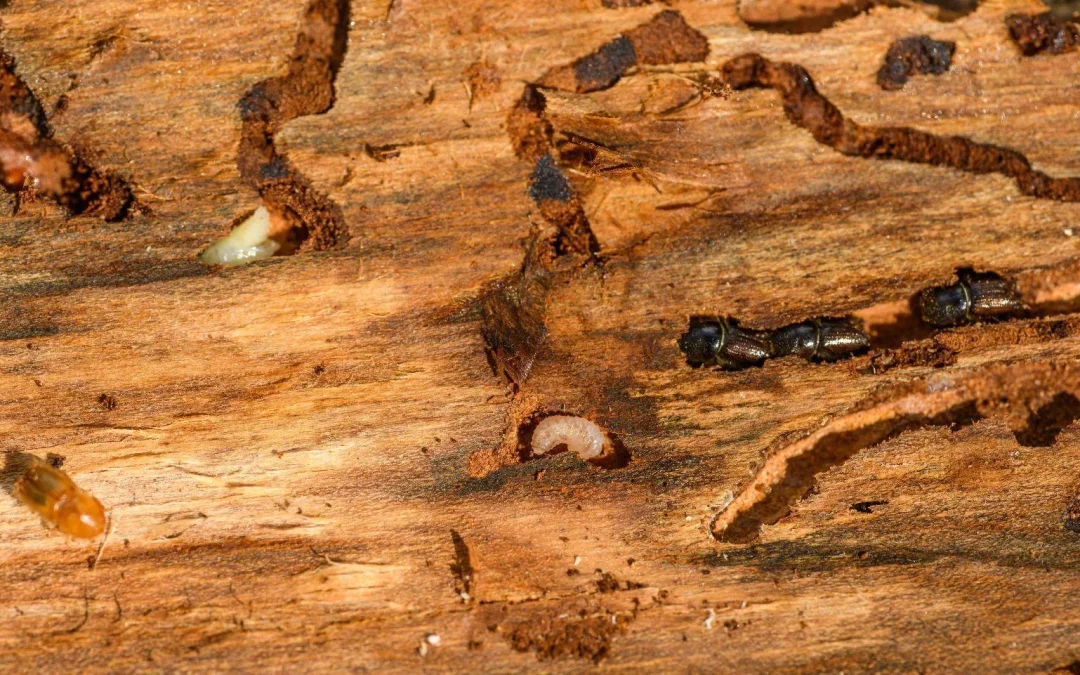
    Drywood termites are a species of destructive termites that feed on structural wood and live entirely within timber without requiring contact with the soil. These pests, including the West Indian dry wood termite (Cryptotermes brevis), are known for their ability to cause significant damage to wooden furniture, floorboards, and buildings by forming extensive nests inside infested timber.

    Drywood termites are distinguished by their drywood habitat preference and relatively smaller colony size than subterranean termites. The colonies, often initiated by winged termites, thrive in coastal areas and adjacent tablelands, establishing themselves in living trees, stumps, and other wooden structures.

    For expert advice on termite prevention, visit All State Pest Control. 

    Characteristics of Drywood Termites: Lifecycle, Behaviour, and Habitat

    The lifecycle of drywood termites includes three main stages: egg, nymph, and adult. The queen lays eggs that hatch into workers, soldiers, or reproductive termites. These termites rely on dry wood as their only food source and can remain hidden within the structure of their nests for years. In the early stages of a colony, their presence is often missed due to a lack of visible signs.


    The first signs of a drywood termite infestation include:

    • Frass: Small pieces resembling sawdust found near the timber.
    • Hollow-sounding wood: Damage to floorboards or furniture when tapped.
    • Tunnels and piles of frass: Evidence of termite activity inside timber.

    Drywood termites exhibit unique behaviours, such as consuming structural wood without leaving external traces, making their infestations harder to detect than subterranean termites, which rely on soil contact for survival.

    Drywood termites thrive in dry wood habitats, favouring furniture, timber structures, and living trees. They are commonly found in coastal areas and can be easily transported via infested wooden items, leading to new colonies in unaffected regions.

    Adelaide’s Environment: Can Drywood Termites Survive?

    Yes, drywood termites, including Cryptotermes brevis, can survive in Adelaide due to its climate and urban development. The region’s hot summers and mild winters provide suitable conditions for these pests, especially in buildings with poor ventilation or untreated wood.

    Termites flourish in coastal areas and adjacent tablelands as these regions offer moisture and timber structures conducive to their spread. Drywood termites have shown remarkable adaptability, infesting furniture, stumps, and even living trees.

    Impact of Drywood Termites: Damage to Properties in Adelaide

    Structural Damage

    Drywood termites cause significant damage to Adelaide properties by burrowing into timber, creating tunnels that weaken structural wood. This destruction often impacts floorboards, wooden furniture, and buildings, with the pests spreading rapidly once established.

    Financial Costs

    Adelaide homeowners may face repair costs exceeding $10,000 for severe infestations, especially when unchecked. The economic impact extends to businesses where infested timber can compromise operations and lead to lost revenue.

    Eco-Friendly Solutions by All State Pest Control

    All State Pest Control offers eco-friendly termite treatments designed to prevente drywood termites without harming the environment. Their methods include chemical-free solutions, non-toxic treatments, and safe green pest control measures for children and pets.

    Why Choose All State Pest Control?

    1. Expertise in managing drywood termite infestations.
    2. Child-safe and environmentally friendly options.
    3. Customised treatments for Adelaide homes and businesses.

    For sustainable termite control, trust the experts at All State Pest Control.

    Prevention Tips for Homeowners and Businesses

    To reduce the risk of a drywood termite infestation:

    1. Inspect and seal cracks in walls, windows, and timber structures.
    2. Regular inspections should be conducted for the first signs of termite activity.
    3. Treat wood with protective solutions to deter pests.
    4. Store timber and firewood away from living areas.
    5. Ensure proper ventilation to minimise moisture in wooden areas.

    Implementing these measures protects your property from costly infestations.

      Don’t delay your termite inspection, speak to our expert team

      or

      Conclusion

      Drywood termites are a serious threat to Adelaide properties, causing significant damage to timber structures, wooden furniture, and floorboards. These pests, including the West Indian drywood termite (Cryptotermes brevis), thrive in dry wood habitats, leaving piles of frass, hollow wood, and extensive tunnels as signs of infestation. 

      Don’t wait until the first signs of infestation turn into costly repairs. Contact All State Pest Control for expert advice and comprehensive solutions. Whether you need an inspection, treatment, or long-term prevention strategy, they are your trusted partner in termite control.

      Frequently Asked Questions

      What are drywood termite signs infestation in Adelaide?

      Frass, hollow wood, and visible tunnels indicate a possible infestation.

      How does Adelaide’s climate affect termite activity?

      The hot summers and mild winters enable termite colonies to thrive.

      Can drywood termites cause significant damage to Adelaide properties?

      Yes, they can undermine structures, causing significant damage and financial losses.

      What eco-friendly termite treatments are available in Adelaide?

      Non-toxic options like green pest control and chemical-free treatments.

      How can I prevent drywood termites from infesting my home?

      Seal cracks, inspect timber, and treat wood to deter infestations.