





prevention-icon

Termites

prevention-icon

Ants

prevention-icon

Cockroaches

prevention-icon

Spiders

prevention-icon

Birds

prevention-icon

Bed Bugs

prevention-icon

Bees & Wasps

prevention-icon

Rats & Mice

prevention-icon

Possums

prevention-icon

Biting Insects

prevention-icon

Disinfection Services

WAREHOUSE AND FOOD STORAGE PEST PREVENTION

WAREHOUSE AND FOOD STORAGE PEST PREVENTION

Summer is the peak season for many pests, and your warehouse ticks a lot of boxes for them to breed and feed. Find out the best tips for warehouse pest prevention before it’s too late in today’s Hivemind blog.

What attracts pests to warehouses in summer

For many pests, summer is the peak season for breeding, making your warehouse a great choice for them to nest, rest and feed.

This is because there are many potential entry points, lots of quiet hiding spots and food sources. In some cases, a few lucky pests may even hitch a ride over from a delivery truck.

That’s why pest outbreaks are a constant threat to many large warehouses, and if left unchecked, they can result in a breach in government regulations, leading to hefty fines and a disruption in business operations.

Which pests are most common in warehouses?

Look out for the following pests which may be lurking around your warehouse this summer:

Rodents

Messy, noisy and destructive, rats and mice are notorious pests at commercial properties of all sizes. Even if you can’t always see them, you might hear them scurrying, squeaking and making gnawing sounds around walls and roofs, especially in the evenings and early mornings. They leave behind droppings which resemble dark grains of rice.

We find that baiting is the best way to manage a rat infestation.

Flies

If you’re seeing too many flies, it’s a serious sign that food safety and compliance are at risk, especially since flies can contaminate products instantly.

In a large warehouse, watch out for them breeding near loading docks, bins, and areas with food residue. Look for fly activity near delivery entrances, waste compactors, and any wet floor drains.

We recommend installing high-quality commercial flying insect control units to manage the population and protect your stock.

Stored product pests

Well known for spoiling dried food products, stored product pests include cigarette beetles, warehouse beetles, flour beetles, sawtoothed grain beetles, lesser grain beetles, grain weevils and pantry/Indian meal moths.

You’ll see their silken webs and larvae crawling inside packaged food and around storage areas, and sometimes winged adults will even fly.

They are best treated with fogging and fumigation techniques using food safe insecticides.

Ants

Ant trails in a warehouse are less about a line to a specific food item and more about colonies thriving inside the building’s structure, like within wall voids or under large equipment.

They can damage packaging and contaminate food stock by nesting in hidden areas. Instead of following the trail outside, you need to find their internal nesting spots near utility points or staff kitchens.

Ant infestations are best managed using strategic, professional-grade ant baits and barrier treatments to eliminate the source of the problem.

Cockroaches

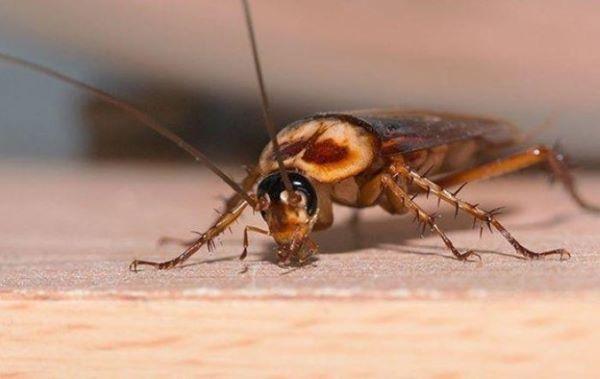
Seeing just one cockroach in a warehouse means you likely have many more hiding where it’s warm and damp, especially inside machinery, equipment motors, or utility ducts.

This is a major issue because they carry pathogens that can contaminate inventory. In a serious infestation, you’ll find cockroach droppings and shed skins in these concealed spots.

Cockroaches are best managed by getting professional help to target these hard-to-reach harbourage areas with specialised baits and treatments.

Proof entry points

With the ability to sneak though the tiniest of gaps, you can physically keep pests out of your warehouse by:

  • Sealing all holes, gaps, cracks and crevices in walls, roofs and floors with weatherproof sealant is important for pest prevention in food storage facilities
  • Install industrial mesh screens on windows, vents and openings
  • Using self-closing doors
  • Install door strip and air curtains across doorways, and door seals
  • Inspect ducts for holes and damage, and repair as needed

Protect your warehouse from a pest outbreak, get expert advice today

or

Reduce moisture and humidity

By controlling the temperature and environmental conditions inside your facility, you’ll reduce the chances of pests thriving by maintaining lower moisture in the air and removing unwanted sources of moisture.

Consider using air conditioning, fans, ventilation, dehumidifiers and desiccants in parts of your warehouse which might be at higher risk of humidity.

Ensure that windows and doors and other gaps are properly sealed, walls and roofs are well insulated and consider installing vapour carriers to reduce moisture from the ground if needed.

Regularly inspect your facility for plumbing issues, such as leaks in pipes, drains, taps, gutters and even your roof, and fix them as quickly as possible.

Maintain hygiene and sanitisation

A clean warehouse makes it much harder for a pest outbreak to occur undetected. Keep your workplace spotless by:

  • Washing your hands and wearing gloves before handling food
  • Regularly cleaning and sanitising surfaces, tools and equipment
  • Sweeping, mopping and vacuuming floors
  • Cleaning up spills promptly
  • Rotate stock and storage equipment periodically
  • Reduce clutter

Follow waste management protocols

Waste is a key attractant for pests, and so following a strict waste management plan at your business is essential. This should include:

    • Having enough waste storage capacity
    • Using robust plastic bags that won’t leak
    • Safe and easily accessible bins
    • Large sized, sturdy bins with well-fitting lids, such as hook or skip bins
    • Cleaning your waste storage areas regularly
    • Avoiding storing old cardboard boxes

Safe food storage

Pests can detect even the smallest traces of food, and this can be disastrous if your business handles food products. Tips for effective food storage pest control include:

  • Keep the area well organised and dry
  • Ensure that refrigerated or hot food is stored at the temperature recommended by the supplier
  • Thoroughly clean and disinfect food storage areas regularly, including refrigerators
  • Store food off the floor, and away from cleaning equipment or chemicals
  • Use sturdy, vacuum-sealed packaging
  • Ensure that all food items have a label and date
  • Discard items that are out of date or with damaged packaging
  • Wipe or clear away spills immediately

Act fast on pests around your warehouse, speak to an expert today

or

Ongoing training for staff and contractors

For a warehouse pest management program in a workplace to be effective, encouraging all workers to be proactive in identifying early signs of an infestation and taking the right preventative action steps can make a huge difference.

When implementing a pest control strategy, it’s important to train your staff to understand compliance standards, how to maintain a workplace that discourages pest activity, including when and how to report pest sightings.

At Allstate, we offer expert, tailored advice to businesses just like yours and provide pest training programs to guide your employees.

Integrated Pest Management with Allstate

With so much paperwork to prepare and keep track of, commercial pest management can often feel like a chore if you’re already swamped with a long list of daily tasks. But with Allstate’s integrated pest management portal, we’ve made pest control accessible, convenient and efficient.

Using our innovative, online portal, you’ll have instant global access to the following pest management tools:

    • Reporting logs
    • Inspection reports, results and recommendations
    • Safety data sheets
    • Historical data and tracked records on pests and treatments in each area of your property
    • Direct contact with your dedicated pest technician for a faster response

To learn more about how our tailored integrated pest management program can assist you, reach out to one of our friendly Allstate consultants today.

Choose Allstate for effective and long-lasting warehouse pest prevention

If you’re a busy warehouse or facilities manager, the hassle of handling a pest outbreak is the last thing you need, not to mention the devastating effects it can have on your business. This is where acting early on summer pest prevention for warehouses is key.

At Allstate, we’ve successfully helped commercial and industrial properties achieve and maintain a high standard of protection across many sites and suburbs across Adelaide since 1986. Our team of highly qualified and trained pest technicians offers rapid response support for tailored advice and safe, modern and discreet pest treatments to keep your business compliant and running smoothly every single day.
Our expert team is ready to help you now

or

BEST WAYS TO KEEP MOSQUITOES AWAY FROM YOUR HOME AND BACKYARD

BEST WAYS TO KEEP MOSQUITOES AWAY FROM YOUR HOME AND BACKYARD

Mosquitoes need a human host to survive, so if you’re constantly swatting mosquitoes away, you’ll want to check out this Hivemind blog to learn how to keep mosquitoes away from home and your backyard this summer.

Why are there so many mosquitoes in my home and backyard?

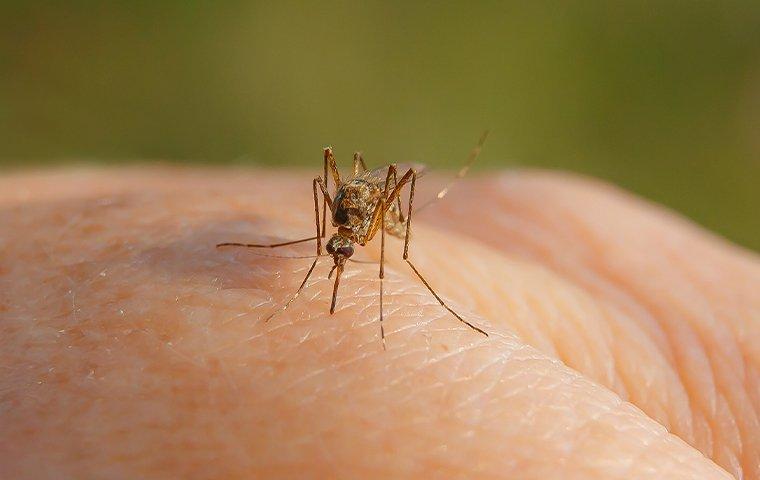
Known for their distinct buzzing and itchy bites, mosquitoes feed on blood, so they often hang around humans.

Mosquitoes are drawn to bright lights, perfumes and fragrances, body odour and sweat. They even seem to prefer certain coloured clothing such as black, red, orange and cyan.

They thrive in warm, humid environments, and lay their eggs in water, so your home and backyard will have plenty of welcoming spots for them.

Unfortunately, this means that you might be more likely to be at risk of a mosquito outbreak in summer, unless you actively take steps to stop mosquitoes breeding around the house.

Eliminate potential breeding sites

Mosquitoes can lay hundreds of eggs in just a spoonful of stagnant water. So if you have pools or bodies of water around your home and yard, they could be harbouring more mosquito eggs than you could imagine.

This can include bathtubs, ponds, paddle pools, water tanks, pot plants, pet bowls, puddles, bird baths, buckets and gutters. Even objects such as wheelbarrows and trailers can hold water if left outside without a tarp cover.

We suggest using netting or screens to protect over water storage vessels or emptying excess water where possible.

Inspect your plumbing, such as drains, pipes and taps, for water leaks on a regular basis and fix them before they create another breeding site.

Is your home abuzz with mosquitoes? Get expert advice today

or

Keep your home and yard tidy

Regularly decluttering your home and keeping your yard well-maintained reduces dark, humid hiding spots and improves airflow to prevent moisture build-up.

If you want to know how to keep mosquitoes away from your backyard, consider removing piles of vegetation and litter, trimming back trees, shrubs, hedges and foliage, and maintaining your lawn to minimise the availability of hiding spots.

Hanging laundry or wet clothing outside to dry will also attract less mosquitoes inside.

Prevent access inside your home

With so many potential entry sites, we have some key mosquito prevention tips for your home.

Self-closing external doors not only save you time, but they are also useful to keep pests out of your home.

As the most obvious entry points for opportunistic mosquitoes, windows and doors can easily be fitted with screens to stop pesky mosquitoes from making their way inside.

Mosquito screens are also useful for rainwater and septic tank openings, which are popular breeding sites.

If you enjoy outdoor dining and entertaining consider screening off an undercover outdoor area such as your pergola, balcony or courtyard to minimise the number of mosquitoes joining you.

Plants which repel mosquitoes

If you’re wondering how to keep mosquitoes away naturally, you may need to visit your local nursery. Mosquitoes will avoid strongly scented plants as they contain certain compounds which overwhelm their senses, leaving them unable to detect signs of their next feed.

This includes herbs such as lavender, rosemary, sage, basil, lemon balm, mint. Flowering plants such as geraniums and marigolds are also unpopular with mosquitoes.

Don’t risk mosquitoes ruining your summer, contact Allstate for fast advice

or

Turn on your fan

Though mosquitoes are very capable fliers, they will have trouble battling the stronger air currents generated by fans and air-conditioning units. Improving the flow of air will also reduce displaced moisture and reduce humidity.

Adjust your lighting

Artificial lights with a white base tend to attract mosquitoes by causing confusion, triggering them to fly in erratic circles around the light source. We suggest making these changes to your home lighting to discourage mosquitoes from entering:

  • Turn off all unnecessary lights
  • Switch light bulbs to warmer colours which are more orange or yellow, or even use LED lights

Use insect sprays and traps

Mosquito control treatments and devices are available from hardware stores. They are best used for treating a small mosquito population rather than a severe infestation.

Mosquito traps

These are most effective when baited with carbon dioxide.

Electronic mosquito killer devices

Use a combination of UV light, carbon dioxide and emit certain pheromones which attract not only mosquitoes, but often other beneficial flying insects such as moths as well.

Insecticide sprays

Fast acting and containing pyrethrin or pyrethrin derivatives, insecticide sprays can be applied to outdoor areas, including non-flowering and non-edible plants in your garden, as well as indoor areas. They can also be used as chemical barriers at access points around your home, such as doors, fly screens and windowsills.

Avoid a mosquito outbreak. Speak to an expert today.

or

Preventing mosquito bites

Always on the prowl for their next meal, mosquitoes are fine tuned to detect nearby human blood by sensing your sweat markers, carbon dioxide, body odour and heat. These factors may even be heavily influenced by your genetics.

If you’re one of the (unlucky!) chosen few who seem to attract mosquito bites more often, this means that you’ll have to add either a chemical or physical barrier to keep them away. You can:

  • Wear insect repellent, especially lotions and gels, containing diethyl toluamide (DEET) or picaridin when outdoors
  • Wear light-coloured, loose clothing in thick layers if possible

Pest control services to keep mosquitoes away from your home

At Allstate, we use the following two methods to control a mosquito outbreak, tackling the problem right at its very source:

Adulticides

Airborne with the ability to disperse over a large space and can target large outbreaks quickly. Our techniques include:

  • Fogging

Generously applied to affected areas during dusk and dawn, when most mosquitoes are out and about, fogging machines create a thick, misty “fog” effect, penetrating hard to reach areas and remaining active on surfaces for 2-3 days. They are useful for enclosed areas in residential, industrial and commercial settings.

  • Residual barrier treatments

For a longer lasting effect on smaller areas, up to 6-8 weeks, residual barrier treatments are recommended as a more targeted approach to mosquito control. They are suitable for outdoor areas including walls, foundations, eaves, fences and even shrubs and foliage.

Larvicides

Targeting a mosquito infestation where they breed, larvicides interfere with the development of mosquito larvae to reduce the population of mosquitoes. They are effective on larger bodies of water in your yard, such as ponds.

For safe and long-lasting mosquito treatment, choose Allstate

With warmer days ahead, there’s no better time to enjoy the shorts and T-shirt weather without having to worry about itchy and uncomfortable mosquito bites.

Locally operated since 1986, Allstate has successfully managed pest outbreaks in all suburbs of Adelaide. Whether you require service for a commercial, residential or industrial setting, our technicians have the experience to address your specific pest concerns. We’re always fully equipped with the latest pest control treatments to handle even the most critical outbreaks.

All our services are covered by competitive warranties and we also offer payment plans so that you can stay healthy and mosquito free, all summer long.

Our expert team is ready to help you now

or

HOW TO KEEP BIRDS AWAY

HOW TO KEEP BIRDS AWAY

Are you waking up to the sounds of persistent chirping? You could have a pest bird outbreak! Find out how to keep birds away from your house for good in this Hivemind blog.

Whether it’s noise, droppings or damage to your roof, this guide will cover practical DIY methods and professional bird control options in Adelaide.

Why are there so many birds at my house?

Are you waking up to the sounds of persistent chirping? You could have a pest bird outbreak! Understanding what attracts them is the first step in learning how to keep birds away from your home.

While they are active all year round, the peak season for pest birds is typically spring. With breeding in full swing, they’ll be looking for places to roost, safe and warm nesting spots, as well as food and water, making your roof and yard a very appealing target.

Here’s other ways to tell if you’re experiencing a pest bird infestation at your home:

  • You notice more of birds on your roof
  • Bird droppings and bird nests
  • You see more feathers and nesting material around

Make your yard less bird-friendly

Pest birds are always on the lookout for food, water and safe nesting sites. You’ll want to make your property as uninviting to them as possible by following some of these tips. If you’re looking for how to keep birds away from your house long term:

Grow plants which deter birds

Strongly scented leaves, fruits and flowers act as effective bird deterrents. This means that herbs such as mint, lavender and garlic are handy to keep around. Planting them in a dense pattern around the perimeter of your yard also creates an intimidating physical barrier against pest birds.

Remove sources of food and water

With an appetite for grains, seeds and plants, as well as the occasional small insect, pest birds are also notorious for enjoying food scraps. We recommend avoiding leaving food out, including bird feeders and keeping other food covered. This includes pet food bowls and water.

Manage waste properly

Teeming with rotting food, garbage and compost are popular targets for hungry pest birds, so it’s important to manage waste appropriately to avoid attracting pest birds to your yard.

Keep compost heaps covered and rubbish secured in plastic bags inside tightly sealed bins with well-fitted lids. Empty your bins regularly to avoid overflowing.

Regular yard maintenance

Remove fallen fruit from your yard, as this will attract many different pests, including pest birds. Trimming back overhanging tree branches and shrubs will reduce the chances of pest birds getting easy access to your property.

Keep outdoor dining areas clean

Make sure that outdoor dining areas are free from crumbs, dropped food and scraps. Wipe away spills immediately, and ensure that dining tables, cooktops and food preparation areas are disinfected.

Predator Decoys

Scarecrows have long been used to frighten birds away from veggie patches, but there are other predators which can stimulate a bird’s sense of danger.

You can install a life-size statue or replica of creatures such as cats, owls and even large birds such as hawks or vultures to keep pest birds out of your garden. These simple decoys are a low-cost way to keep birds away from your yard.

Keep birds away for good. Speak to an expert today.

or

Visual bird deterrents: how to keep birds away with sight-based tricks

With better eyesight than humans, birds can see further and with more vivid detail. If you’ve been wondering how to keep birds away from your garden or roof without chemicals, visual deterrents are one of the easiest DIY methods.

Here are some ways to make your property less appealing for pest birds to come and visit:

  • Many birds perceive colours such as orange, red and silver to be threatening
  • Hang spherical garden balls off tree branches, scatter them over the garden beds and lawns
  • Shiny objects can cause distracting reflections within pest bird eyes and can be suspended in trees and popular nesting sites. These include foil sheets, aluminium cans and mirrors

Electronic sound devices

Pre-programmed to broadcast pre-recorded predator calls, combined with distress calls from different species of pest birds, electronic sound devices are useful at keeping birds away from your home by simply just mimicking a threat. They’re especially useful if you want to know how to keep birds away from your roof or solar panels without physical barriers.

You can program these devices to operate at different times and intervals to minimise the distraction of these sounds during your day-to-day activities.

Bird-repelling scents to keep birds away

Although they mainly use their sharp vision to hunt for food, pest birds have special olfactory organs located on their beaks which help them to also detect smells from a distance.

Strong smelling household items can be mixed with water and poured into a spray bottle and applied liberally along popular roosting sites. These include:

  • Essential oils
  • Vinegar
  • Pepper
  • Citrus scents
  • Mint
  • Cayenne pepper

Seal off entry points around your roof

Pest birds are flexible enough to squeeze through small gaps between loose or cracked roof tiles, spaces between eaves and vents and holes in rotting timber.

We recommend regularly inspecting your roof for all potential access sites and then covering them or filling them completely. Ensure that mesh covers are strong enough to resist pecking, with fine openings that can’t be easily damaged and widened.

This step is essential if you’re focused on how to keep birds away from your roof in Adelaide homes.

Have birds chirping around your roof? Speak to an expert today

or

How to keep birds away: professional bird management

At Allstate, we emphasise a safe and humane approach to handling pest birds. Your pest technician will choose one or more of the following techniques to stop birds from roosting on your property.

Professional treatments are the most reliable way to keep birds away for good:

Bird spikes

By creating an uneven landing area, bird spikes are designed to discourage pest birds from roosting on leading edges along your roof. They’re best used on exposed ledges, beams, windowsills, railings, gutters, girders, chimneys and signs. They come in a range of types, sizes, shapes and materials including polycarbonate and steel.

Bird netting

Useful for enclosed areas, bird netting physically prevents birds and other pests from entering key areas, while still allowing air flow and light to pass through. Available in a range of flexible and durable materials and colours, they can be customised to fit problem areas.

Bird wire

An alternative to spikes, bird wire is a more discreet bird deterrent suitable for new buildings. Thin, UV protected stainless steel wire is secured between posts to destabilise the landing area and reduce roosting.

Bird Jolt Flat Track System

As a barely noticeable bird deterrent for roofs, the Bird Jolt Flat Track system is an electrically powered, near-flat surface that delivers a very mild electric shock whenever birds try to land on it. Standing at only ¼ of an inch tall, it can be installed on any surface.

Bird traps

For severe outbreaks, you may need to bait pest birds and capture them in a large cage to physically remove them.

Solar panel bird proofing

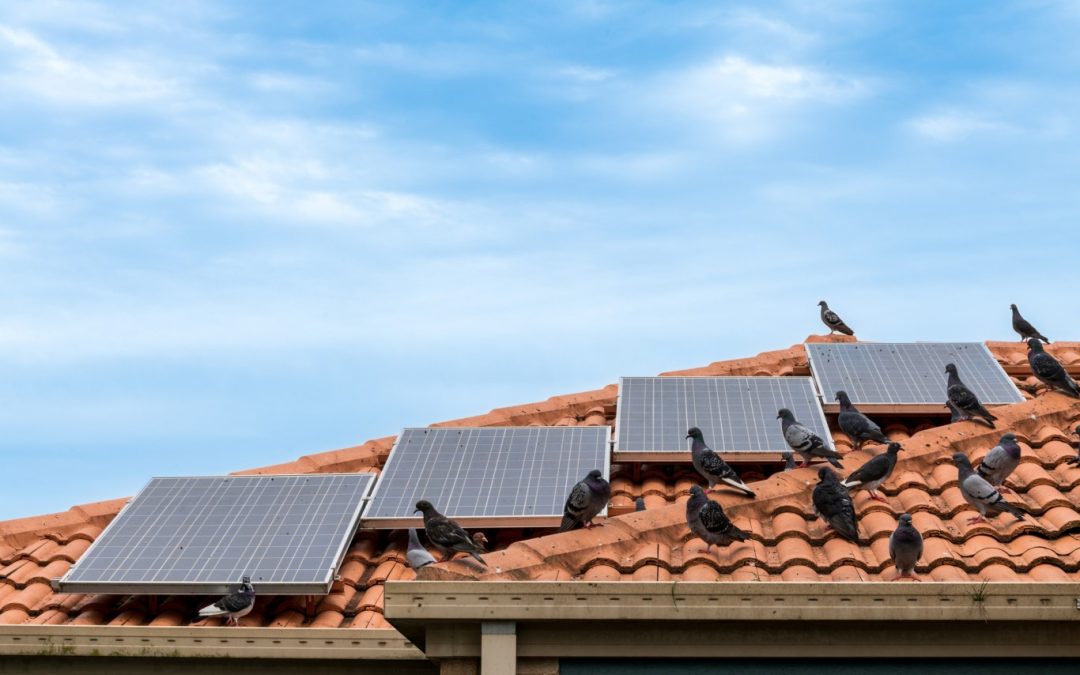
As more and more South Australians are reaping the benefits of solar energy, so are pest birds. Solar panels not only provide a safe place to shelter underneath, they also make for popular breeding and nesting sites. That’s why many homeowners ask how to keep birds away from solar panels in Adelaide.

Unfortunately, over a long period of time, their presence can create issues for even the most robust of solar panels, causing them to work less efficiently. However, you won’t have to worry about these types of problems with solar panel proofing.

At Allstate, our pest technicians will carefully begin by cleaning your solar panels and their surroundings, including roof spaces, to clear every trace of feathers, droppings or nesting material present.

They’ll then install a durable, UV-coated mesh, that does not interfere with the functionality with your solar panels, around the perimeter of each panel. This is specially fitted to prevent pest birds from venturing underneath, and can be removed or reinstalled at any time.

With a 1-year warranty on this service, protecting your solar panels from irreversible damage is just a phone call to Allstate away.

Choose Allstate for safe and humane bird control

Since 1986, we’ve offered reliable quality pest control services to clients in commercial, residential and industrial settings across all suburbs of Adelaide. Our highly trained and fully equipped pest control technicians can deliver a tailored, humane management plan to ensure that you, your family and employees won’t have to worry about nuisance pest birds for years to come.

While all our services emphasise the safety and wellbeing of the pest birds, we also have competitive warranties and payment plans available. So if you’re needing urgent advice on a pest bird outbreak, Allstate is here for you 24/7.

Our expert team is ready to help you now

or