







prevention-icon

Termites

prevention-icon

Ants

prevention-icon

Cockroaches

prevention-icon

Spiders

prevention-icon

Birds

prevention-icon

Bed Bugs

prevention-icon

Bees & Wasps

prevention-icon

Rats & Mice

prevention-icon

Possums

prevention-icon

Biting Insects

prevention-icon

Disinfection Services

Types of Termites in Australia And How to Get Rid of Them

Types of Termites in Australia And How to Get Rid of Them

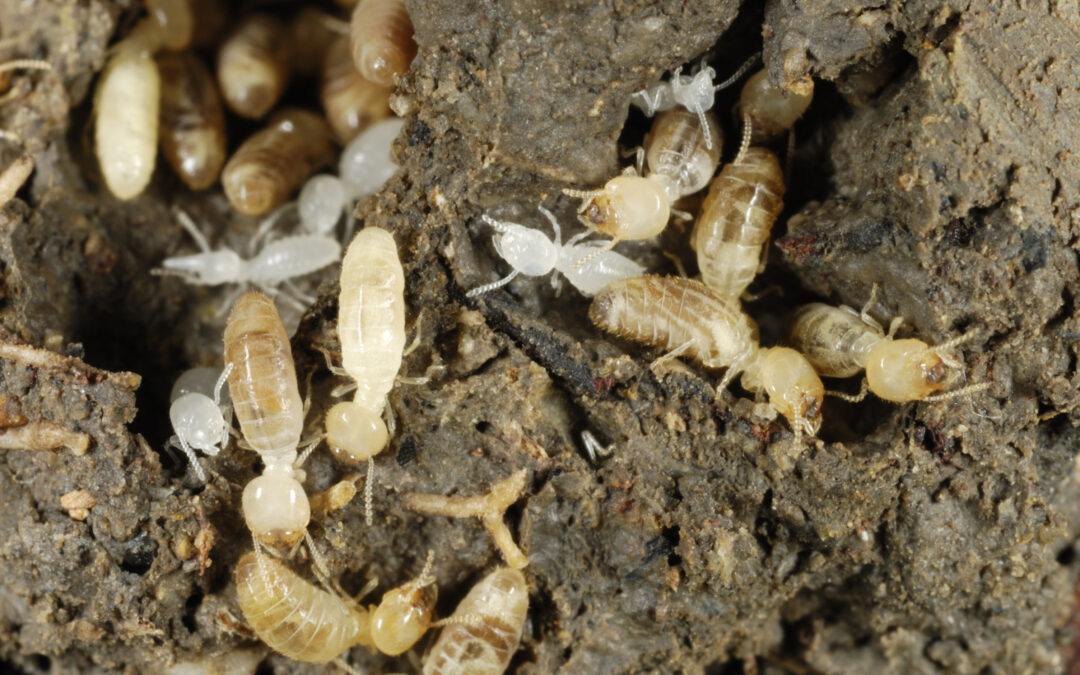
If you own a home or manage a business, the thought of termites probably makes your stomach sink. They quietly eat through Australian homes, businesses, and wooden structures, causing billions in estimated damage each year. About 32% of homes in Australia are currently experiencing termite activity.

At Allstate Pest Control, we’ve spent over 35 years protecting South Australian families and businesses from these hidden invaders. Here’s what you need to know about the different types of termites and how to keep them out.

What questions will this article answer?

Types of Termites in Australia

Australia is home to more than 300 termite species, though not all termites attack wooden structures. Let’s break down the most common culprits.

Termite Type

Scientific Name Common Name Notes
Subterranean Termites Coptotermes acinaciformis White ants Most destructive; build large subterranean nests.
Drywood Termites Cryptotermes brevis Drywood termites Live inside dry timber; damage furniture and frames.
Dampwood Termites Zootermopsis spp. Dampwood termites Found in damp timber, tree stumps, and fallen logs.
Formosan Termites Coptotermes formosanus Formosan subterranean termite Introduced, highly destructive; aggressive feeders.
Ghost Termites Amitermes meridionalis Compass termites / Ghost termites Northern Territory; build tall north–south pole nests.

Subterranean Termites (White Ants)

These are the most destructive termite species. Subterranean termite species such as Coptotermes acinaciformis build massive underground tunnels and subterranean nests that can house millions of worker termites.

They feed on timber structures, tree stumps, and even roof timbers, often without being noticed until major damage is done.

Drywood Termites

Unlike subterranean termites, drywood termites don’t need soil moisture to survive. They nest directly inside dry timber, such as furniture, door frames, and roof timbers.

Colonies are smaller, but they spread silently, often discovered only when a wooden item crumbles under pressure.

Dampwood Termites

Dampwood termites thrive in decaying wood and damp areas. They prefer tree stumps, fallen logs, or decaying timber left in contact with soil.

While less likely to attack houses, they can be a warning sign of poor drainage or excess soil moisture around your property.

Formosan Termites

An introduced species, Formosan termites are known as one of the most destructive species globally. They build large subterranean nests with a central nest that can support massive colonies.

They’re aggressive feeders and can attack timber structures much faster than other termites.

Ghost Termites

Ghost termites, more formally known as compass termites (Amitermes meridionalis), are found in the Northern Territory, especially in low‑lying grasslands around Darwin. These termites build distinctive north–south aligned mounds. They build striking pole nests shaped like tall, narrow mounds pointing north to south.

While not as aggressive in South Australia, their presence highlights how varied Australian termites can be across coastal and mountain regions.

Prevent termites once and for all. Speak to an expert today.

or

Signs of a Termite Infestation

How do you find termites before the damage is beyond repair? There are various signs of termites to watch for. Look for these warning signs.

• Mud Tubes: Subterranean termites build mud tubes along walls or foundations to travel safely between soil and food.
• Hollowed Wood: Tap wooden structures. If they sound hollow, worker termites may already be inside.
• Discarded Wings: A colonising flight leaves behind piles of shed wings near windows or doorways.
• Damaged Timber: Cracked, sagging, or brittle timber is a red flag for destructive species feeding inside.

Why Termite Control Is Crucial for Australian Homes

South Australia’s climate creates ideal conditions for termite activity. Subterranean nests thrive where soil moisture is high, especially near tree stumps or decaying wood.

The cost of termite damage in Australia exceeds $1.5 billion each year, and most insurance policies do not cover it.

Protecting timber structures early ensures long-term safety and avoids reactive maintenance costs down the track.

Don’t delay your termite inspection contact Allstate today

or

How to Prevent Termite Infestations

Prevention is easier and cheaper than repairing termite damage. Here’s how to keep your home safe:

Remove tree stumps, decaying timber, and other food sources near your property.
Maintain timber structures like decks and pergolas with proper sealing.
Seal cracks or entry points where subterranean termites could build underground tunnels.
Install physical or chemical termite barriers during construction.
Reduce soil moisture by fixing leaking pipes and improving drainage.
The CSIRO recommends booking a termite inspection at least once a year.

Frequently Asked Questions

How can I tell if I have termites in my house?

Look for mud tubes climbing foundations, hollow timber that sounds papery when tapped, and discarded wings from a colonising flight. CSIRO notes that termite damage often goes undetected for 3–8 years without inspections. The only reliable way to confirm activity is a professional termite inspection using moisture meters and thermal imaging.

What’s the best way to prevent termites in Australia?

Annual termite inspections are essential, especially in high-risk regions like South Australia, where subterranean nests are common. Removing tree stumps, decaying wood, and fixing leaks reduces soil moisture that attracts termites. Installing physical or chemical barriers during construction and keeping timber structures sealed significantly lowers infestation risks.

Can termites damage the foundation of a house?

Yes. Subterranean termite species such as Coptotermes acinaciformis can tunnel through soil and attack wooden structures beneath homes. A single termite colony can contain more than a million termites, capable of compromising beams, joists, and roof timbers within a few years. We’re Adelaide’s no. 1 termite control service. Let’s help you arrest the situation.

Get Professional Termite Control

DIY methods can’t tackle an entire colony. Termite baiting, safe treatments, and barrier systems require expert knowledge. At Allstate Pest Control, we customise solutions for your property, whether you’re dealing with dampwood termites in tree wood or subterranean termite colonies attacking timber structures. Our team provides long-term protection with safe, effective treatments tailored for South Australian conditions.

For fast, reliable termite control in Adelaide and across South Australia, call Allstate Pest Control today on (08) 8371 1277.

Our expert team is ready to help you now

or
How to Spot Venomous Spiders in Australia This Summer

How to Spot Venomous Spiders in Australia This Summer

GUIDE TO PREVENTING SPIDER INFESTATION IN YOUR HOME

Summer in Australia means BBQs, beach days… and more spiders. While most aren’t harmful, a venomous spider can still turn a sunny afternoon into a hospital visit. With over 10,000 species crawling around, knowing how to tell if a spider is poisonous can save you and your family a world of stress. We’ve put together this guide to the more harmful creepy crawlies you might encounter.

What questions will this article answer?

Why are deadly spiders a problem in summer?

Summer is the peak time for many insects to emerge from winter hibernation in order to reproduce and look for food. Hungry spiders are no exception.

With plenty of food sources around to support their mating season, you’ll tend to notice spiders around the place more often as they sneak indoors to escape the heat.

While there are an estimated 10,000 species of spiders living in Australia, most of them aren’t harmful to humans. Although they’ll most likely bite when they are disturbed, these bites aren’t usually venomous or painful. They might just leave a mild, itchy bump on the skin for a short time.

However, spiders with more potent venomous bites can cause more serious illness requiring immediate medical attention. The good news is that antivenom treatments are readily available, so you should be fine if you see a doctor quickly.

Get effective spider removal advice today

or

By Toby Hudson – Own work, CC BY-SA 3.0, https://commons.wikimedia.org/w/index.php?curid=18357388

Redback spiders

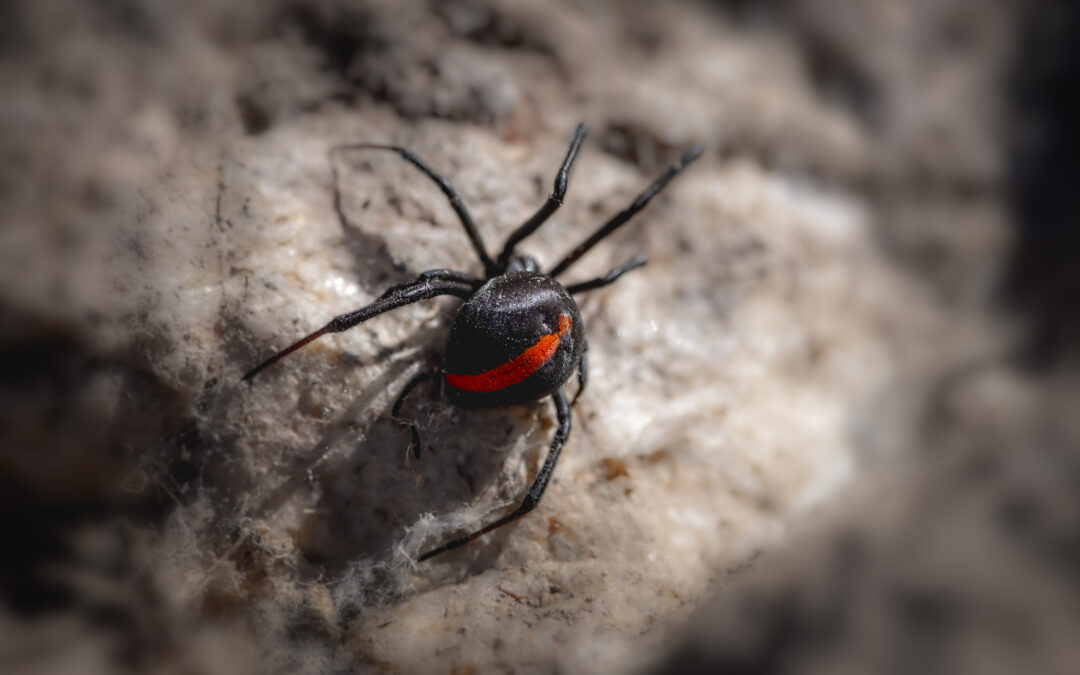
Though they are notorious for their potent venomous bites, redback spiders aren’t aggressive pests unless disturbed. They have a black body with a distinguishing red stripe on the upper abdomen. Females grow up to 15mm long and males up to 5mm long.

They spin messy webs and prefer hiding in quieter places around your home, such as garages, mailboxes, sheds, under ledges and outdoor furniture. In your garden, they may be seen in branch hollows or tucked away in small crevices between rocks.

White tailed spiders

Known for their dark red to grey, cigar-shaped body with a characteristic white spot at the tip, white tail spiders are a nocturnal hunting spider. While they don’t spin webs to catch insects, instead, they hunt other spiders for food, such as daddy long legs, redback and black house spiders.

You’ll find them living beneath leaf litter and piles of vegetation in your garden, as well as underneath tree bark and rocks.

Males grow up to 12mm long and females up to 20mm long.

White-tail spiders belong to the Lampona genus. Image credit: Fir0002/Flagstaffotos (GFDL v1.2)

Manage deadly spiders fast!

or

By fir0002flagstaffotos [at] gmail.comCanon 20D + Tamron 28-75mm f/2.8 – Own work, GFDL 1.2, https://commons.wikimedia.org/w/index.php?curid=197252

Funnel web spiders

While not all species of funnel web spiders are known to be dangerous, several are renowned for their highly toxic and fast acting venom.

They are commonly found underground in silk-lined burrows in moist, cool, sheltered habitats in the Adelaide Hills. You may find them in dense shrubs or under rocks, rotten logs or rot and borer holes in trees.

Funnel web spiders are usually black to brown coloured and front part of their body is glossy and covered with hairs. They’re known to grow up to 1-5 cm long.

Mouse spiders

Often confused with funnel web spiders, mouse spiders have a distinctive bulb-shaped head and jaw.

You’ll find them in burrows that can be more than 1m deep, so they are more reclusive than aggressive by nature.

They are mainly black or dark blue but can have bright red or orange-red coloured jaws or around their eyes, as well as a light grey to white patch on top of their abdomen. Adult mouse spiders vary from 10 to 35mm in length.

Robertwhyteus, CC BY 4.0 <https://creativecommons.org/licenses/by/4.0>, via Wikimedia Commons
By Bernard DUPONT from FRANCE – Corsican Trapdoor Spider (Cteniza sauvagesi), CC BY-SA 2.0, https://commons.wikimedia.org/w/index.php?curid=40076014

Trapdoor spiders

Famous for their silk-lined burrows which have a hinged lid at the entrance, trapdoor spiders like to hide up to 250mm deep underground, so you may only come across them if you’re digging through soil or moving around some rocks.

While they look similar to funnel web spiders, they are less venomous. They are yellow and reddish-brown coloured, shiny with a hairy coat, and grow between 1-4cm long.

Black house spiders

A common sight around the home, black house spiders spin fine, lacy webs in zig zag patterns that aren’t sticky. However, they do leave behind old sheets which become messy.

They grow up to 15mm long and are dark brown to black, with a textured velvet appearance.

Black house spiders prefer dry habitats and secluded locations such as window frames, gutters, eaves, bricks, garages, sheds, and even toilets. Outdoors, you may encounter them among rocks, underneath tree bark, or inside tree trunks and logs.

By fir0002flagstaffotos@gmail.com Canon 20D + Sigma 150mm f/2.8 – Own work, GFDL 1.2, https://commons.wikimedia.org/w/index.php?curid=2850030
By Raphaël Poupon – Own work, CC BY-SA 4.0, https://commons.wikimedia.org/w/index.php?curid=83308049

Wolf spiders

Wolf spiders are a type of hunting spider that doesn’t spin webs. They come out at night to hunt and prey on insects. You’ll find them living underground in burrows lined with silk, which may be covered by a lid or leaf litter.

Adult wolf spiders are usually mottled grey or brown and are well known for their Union Jack-style pattern on their upper abdomen. They grow between 15-30mm in size. Female wolf spiders carry their young on their back.

How to prevent deadly spiders this summer

The best way to keep spiders away from your home or business is to seal off entry points, reduce the number of hiding spots and remove all potential food sources.

Regularly cleaning inside, such as sweeping, wiping and mopping can assist with removing insects that attract spiders, and clearing away cobwebs and spider eggs. Don’t forget to check behind the furniture, window corners and other less frequented areas.

We also recommend regular garden and yard maintenance, such as trimming back plants and trees that are growing close to your building to reduce access and mowing lawns. Dispose of litter piles, such as leaves, and move wood piles away from your building. Keep compost and rubbish bins well secured. However, please wear gloves when gardening in case you disturb some hidden spiders!

You can also purchase insect repelling night light bulbs from your local hardware store.

Professional spider control

At Allstate, our spider removal technicians are highly trained to understand spider behaviour, so we’ll conduct a thorough assessment of the outbreak to work out the source.

From here, we’ll come up with a personalised treatment plan for you to make sure that the problem is properly resolved.

We normally use a combination of spider-control insecticide, which is sprayed around the perimeters of your building, and spider-control dust, which is applied in voids and cavities.

We understand the risks of dealing with deadly spiders, so we take great care to carry out our work safely.

You can rest assured that if you have children or pets that our treatments are non-toxic and approved for use by the Australian Pesticides and Veterinary Medicines Authority.

Read more about spider control.

Frequently Asked Questions

Can a redback spider bite cause long-term harm?

A redback spider bite from Latrodectus hasselti often causes severe local pain, sweating, and nausea. While deaths are rare, symptoms can last for days if untreated. Antivenom is widely available in Australia.

How can I tell the difference between a brown recluse spider and other spiders?

The brown recluse spider is rare in Australia but still reported. Look for a violin-shaped mark on its back. Unlike wolf spiders or trapdoor spiders, brown recluse spider bites may lead to ulceration or necrosis.

How can I avoid spider bites while gardening?

Always wear gloves and shake out boots or gardening tools before use. White tailed spiders and mouse spiders may hide in mulch, woodpiles, or leaf litter.

What should I do if bitten by a funnel web spider?

Stay calm and apply a pressure bandage if bitten by a funnel web spider, especially a Sydney funnel web. Call emergency services immediately. Its spider venom acts fast, but antivenom is effective if given early.

How to tell if a spider is poisonous?

You can’t always tell by looks alone. However, venomous spiders like the redback spider or funnel web spider often have distinct markings and body shapes. The safest option is to avoid handling any unknown spider and call an Allstate Pest Control professional if you’re unsure.

Choose Allstate for safe and effective spider prevention

Coming into summer, the last thing you need to worry about is deadly spiders lurking around when you just want to relax and enjoy outdoor activities.

That’s why at Allstate, we’re available 24/7 for urgent advice to all suburbs of Adelaide. No matter if you’re in a commercial, residential or industrial building, our fully equipped technicians are ready to assist with spider outbreaks of all sizes.

Since 1986, we have offered pest control services with a 100% satisfaction guarantee, backed by competitive warranties. With our new payment plans, we can promptly address your spider issues using innovative, long-lasting treatments. Our expert team is ready to help you now.

Our expert team is ready to help you now

or
HOW TO PREPARE FOR A MOSQUITO FREE SUMMER

HOW TO PREPARE FOR A MOSQUITO FREE SUMMER

HOW TO PREPARE FOR A MOSQUITO FREE SUMMER


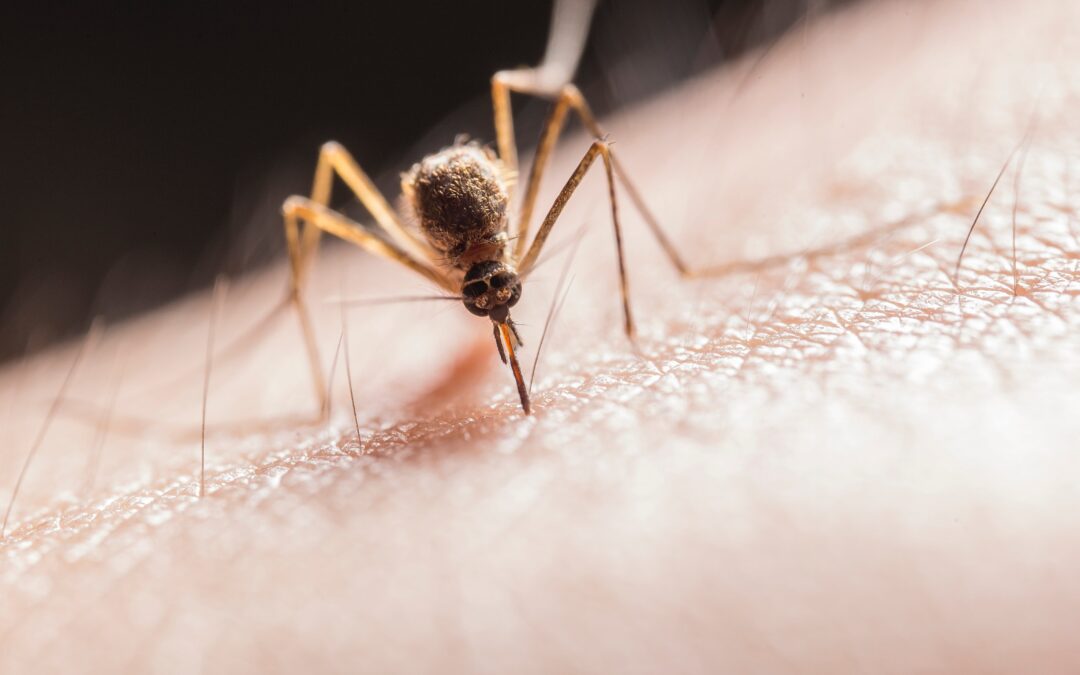
Looking forward to outdoor entertaining over the festive season? Watch out for pesky mosquitoes! It’s not just their itchy and irritating bites that will spoil the fun – they can also spread some pretty nasty diseases.

Avoid getting bitten with an unexpected mosquito outbreak this summer. Our latest Hivemind article is here to keep you mosquito free.

What questions will this article answer?

Why are mosquitoes more common in summer?

As the weather heats up, it supports the mosquito life cycle by providing them with ideal conditions to flourish.

Female mosquitoes are known to lay eggs more frequently in warm weather, with up to 100 per batch. Once these hatch, their larvae will grow, ideally in an environment that is between 7-16 degrees Celsius, surrounded by a source of water.

The process of larval development can speed up in warmth and humidity, so if these ideal conditions coincide, this can have a significant impact of the mosquito population. For prolonged periods of heat, this means that mosquitoes are more likely to keep reproducing.

As adult mosquito metabolism increases with hot weather, you’ll be more likely to notice them flying around scavenging for food. This is usually in the form of blood from a host for female mosquitoes, and plant nectar for males.

Signs of a mosquito outbreak

While it’s not unusual to notice more mosquitoes in warm weather, here’s some ways that you can tell if you have a full-blown infestation:

You frequently hear buzzing sounds

Due to the rapid beating of their wings during flight, mosquitoes give off a persistent, characteristic high pitched buzzing noise.

You notice more mosquitoes in shady areas

As moisture levels tend to evaporate in the presence of the sun, mosquitoes are generally drawn to darker places, which are a definite favourite for female mosquitoes to hide and digest their food.

You notice more mosquitoes in areas with higher levels of moisture

From ponds, bird baths, pet bowls to flowerpots and moist garden beds, female mosquitoes are clever at finding places with the perfect conditions to lay their eggs.

Mosquito bites

If you’re getting bitten by pesky mosquitoes more than usual, this means that there are female mosquitoes in the area. They may be laying their eggs around your home.

Mosquitoes in your kitchen

If you leave food uncovered in your kitchen, especially if it is high in sugar content, such as fruit and lollies, male mosquitoes will find this irresistible. However, you may also find that females will join them if their preferred food source (blood) is unavailable.

Get reliable mosquito prevention advice today

or

Problems caused by mosquitoes

While they may be small, these tiny terrors can cause huge problems for you and your family.

As they move from host to host feeding on blood, mosquitoes are well known for their ability for spreading serious diseases, such as Barmah Forest virus infection, Chikungunya virus, Dengue fever, Elephantiasis, Japanese encephalitis, Malaria, Murray Valley encephalitis, Ross River virus infection, Yellow fever and Zika virus.

Mosquito bites are notorious for being itchy and red and cause varying degrees of swelling. In some people, they may also trigger allergic reactions and in severe cases, bites can cause anaphylaxis, which requires immediate medical attention.

Sometimes, you’ll hear them before you see them as their persistent buzzing noises can be distracting and disruptive.

How to protect your home from mosquitoes

Although it can be very difficult to manage mosquitoes altogether without professional help, there are still some steps that you can take to make your home less inviting to mosquitoes. Here’s some of our top recommendations:

Install screens over windows and doors
Having a mesh or wire screen as a physical barrier is always helpful, but it’s best to avoid leaving doors and windows open if possible.

Remove breeding sites
Fill ditches and holes in the ground to prevent water from accumulating as this becomes a potential breeding habitat. Inspect your yard and ensure that there is adequate drainage for pooling water. Consider filling pot plant saucers with sand to absorb excess water.

Regular property maintenance
Make sure that the plumbing and water drainage system at your property is working efficiently, with no leaking pipes and blockages.
Keep your yard clean and tidy, taking care to trim trees and vegetation to limit overgrowth and hiding spots for mosquitoes. Dispose of fallen fruit and vegetables.

Prevent mosquitoes from following you into your home
If possible, limit outdoor activity during peak active times, or use mosquito nets to keep them out of your space.

When you’re heading outdoors, wear insect repellent that contains diethyltoluamide (DEET) or picaridin. You can also use natural alternatives such as eucalyptus or lemon oil, citronella, tea tree oil, but these will need be applied more frequently.
Wear protective clothing and a hat to limit any potential mosquito contact. Bright coloured clothing is known to be less appealing to mosquitoes than darker shades.
You can also consider purchasing electronic repellent devices that are available from hardware stores.

Avoid leaving potential food sources outside
Where possible, keep food items covered and consider using a water dispenser for pets instead of leaving an open water bowl.

Turn on the fan
The moving air current disrupts mosquitoes in flight and disperses carbon dioxide, which attracts them to human hosts.

Manage mosquitoes fast. Speak to an expert today.

or

Professional mosquito treatment

The most effective way to control a mosquito outbreak is through chemical control. We use Australian Pesticides and Veterinary Medicines Authority (APVMA) approved products that are designed to target adult mosquitoes as well as their larvae.

After an assessment of the outbreak and the layout of your property, your Allstate pest control technician will often use a combination of the following treatment methods:

Larvicides
For ponds and standing or stagnant water areas which are common breeding sites for larvae, we apply highly targeted larvicides to prevente all mosquito larvae. You can be confident that these chemicals have minimal impact on other aquatic organisms.

Adulticides
When there are a large amount of active adult mosquitoes, we’ll need to use a different approach that covers a greater area, that may need to be applied multiple times. This can include:

  • Fogging
    During active times (mainly dawn or dusk), we’ll apply an airborne spray that contains either a natural or synthetic pyrethroid chemical to the entire affected area. These chemicals disrupt the mosquito nervous system and cause paralysis. Fogging is usually effective for 2-3 days.
  • Residual barrier treatments
    We use this for smaller, more targeted areas, aiming to stop adult mosquitoes from entering your home by lingering on surfaces where they may land. We commonly apply this treatment to fences, eaves, walls, vegetation or foliage and it is known to last for up to 6-8 weeks.

For fast and effective mosquito prevention, choose Allstate

With sunny days ahead and holiday season approaching, the last thing you need is to worry about pesky mosquitoes spoiling your plans. That’s why at Allstate, we’re here to help you get your home ready for insect-free outdoor and indoor entertaining all party season.

Family owned and operated since 1986, Allstate offers targeted, modern and innovative pest control services to homes and businesses across all suburbs of Adelaide. We only use mosquito treatments which are non-toxic to pets, children and the environment.

Our highly trained technicians are available 24/7 for any urgent enquiries to all new and existing residential, commercial and industrial clients.

Our services are covered by competitive warranties and a 100% satisfaction guarantee and we also offer payment plans. Safeguard your home and enjoy a relaxing summer with Allstate’s long-lasting mosquito protection.

Our expert team is ready to help you now

or
Are Bees Considered Pests?

Are Bees Considered Pests?

ARE BEES CONSIDERED PESTS?

Since bees play an important part in keeping our plants and crops healthy and thriving, can they ever be a pest? The answer is yes! There are certain bee species that are thought to compete with other bees and native animals for nesting sites and food sources. If left unchecked, some of these pest bees even pollinate the wrong plants, leading to the unwanted spread of weeds.

If busy bees have infiltrated your garden, continue reading to learn about the most common types of pest bees and how you can avoid getting stung by an outbreak.

What questions will this article answer?

Worried about bees? Get expert help today

or

What questions will this article answer?

Why am I seeing so many bees in my garden?

Bees play a key role in sustaining our natural environment as they pollinate plants to help with fertilisation and reproduction. So, as your garden begins to bloom in spring, it’s perfectly natural to notice more bees around.

That’s because they come out from a long winter hibernation and become more active during October to December. They are hungry and looking for places to fill their bellies with floral nectar.

Types of pest bees

While most are not native to Australia, pest bees have learned to adapt and survive very well to our unique climate. They are known to pollinate weeds instead of native flora, and compete for nesting sites and food sources with other native bees and animals.

Pest bees are strongly thought to not just be a nuisance, but also have a negative environmental impact.

Here are some of the more common pest bees you’ll encounter in Australia:

European honey bees

Introduced to Australia around 200 years ago, European honey bees were tasked with producing honey. They are around 0.5 inches long.

Sadly, their population has increased so much over the last 80 years, making them pests to other native animals and insects competing for the same natural resources.

Bumble bees

Specifically introduced to Tasmania in 1992, it is prohibited to move bumble bees to other Australian states and territories.

While they feed on a variety of native and introduced plants, they are only thought to compete with two species of native bees for a particular type of pollen.

Bumble bees also feed on problematic weeds, causing them to spread where they are not welcome!

Asian honey bees

While they are smaller in size than European honey bees, the Asian honey bee is skilled at adapting to changing environmental conditions. In fact, they have even become a huge pest in Cairns.

Thankfully, Asian honey bees tend to forage their nectar and pollen from minor plant sources rather than major crops.

Our expert team is ready to help you now

or
Problems caused by pest bees

Bee outbreaks can quickly get out of control as they have a short reproductive cycle and Queen Bees can lay plenty of eggs to boost the colony in a short time.

Most of us dread encountering a noisy bee swarm and being met with a persistent buzzing sound that can be quite distracting and disruptive.

As they forage for food sources in different places, their fine hairs can pick up germs and spread diseases. Not to mention, they’ll leave behind messy and sticky honey stains wherever they go and attract other pests as a result.

Bees can certainly be dangerous as they will sting if they feel threatened. These stings are painful and for some people, can even trigger swelling and allergies.

Signs of a bee outbreak

Here are some ways that you can tell if you have a bee problem at your home or business:

You notice more bees buzzing around

The most obvious sign of a bee infestation is when there seems to be more bees than usual, and they can certainly be very noisy.

Beehives

These can be located around eaves, in your garage, shed, within tree trunks as well as wall and roof cavities.

Bees swarming around lights at night

If you’re seeing bees around lights when it’s dark, you could have an outbreak on your hands.

Honey stains

While delicious to eat, honey stains are sticky, unattractive and messy, and become a food source other pests such as ants. Look for dark brown patches on your walls and ceilings.

How to prevent pest bees in your garden

If you have flowers and plants in your backyard, it’s likely that you’ll be visited by bees at some point. But, are there ways from stopping these casual visitors from becoming a swarm? Absolutely!

We recommend starting off with removing all potential food sources from the garden, including fallen fruit which is high in sugar and a real treat for hungry bees. Dispose of uneaten pet food and avoid leaving food and drinks uncovered, especially meat and dairy products and sweets.

Where possible, we recommend choosing more gentle, natural bee deterrents. This way, the bees are safe from physical harm. This includes using ultrasonic electronic bug repellent products which are readily available from hardware stores.

You can opt to populate your garden with plants that bees are less keen to frequent, such as mint, eucalyptus, citronella, marigold and geranium.

As bee antennae are highly receptive to scents, you can use products with strong smells which are unpleasant to bees. Scented candles and mothballs are useful, as well as sprays made with water mixed with essential oils or herbs. This includes lemon, lime, vinegar, lavender and peppermint. It’s thought that sliced cucumber laid on aluminium sheets also has an off-putting odour as well.

Prevent bees safely. Speak to an expert today.

or

Professional bee prevention

The first recommendation we make to all clients who enquire about pest bees is to not disturb the hive and aggravate the bees. Do avoid making sudden movements.

Since bees play an important role in the environment, we prefer to relocate pest beehives to a safer location rather than relying on extermination where possible.

Our team will first locate the beehive and try to identify the species of pest bee to determine the level of danger posed to you and your family.

If we’re unable to remove the beehive, our technicians will apply a targeted control dust into the beehive cavity to prevente the colony. This will deter new colonies from occupying the hive. To ensure that the treatment is effective, we’ll continue to review it if needed.

If the outbreak is severe, we may even call in local professional beekeepers for assistance.

Don’t forget, we have a 24/7 emergency bee removal service to help you at any time.

Choose Allstate for effective and safe bee removal

At Allstate, we understand how stressful and dangerous it can be to have a bee outbreak in your yard. That’s why our highly trained team of professional bee exterminators is full equipped with protective gear to help.

Available 24/7 to all suburbs of Adelaide, we are experienced in safely managing bee outbreaks in residential, industrial and commercial settings. Wherever we can, we prefer relocating rather than preventing them altogether.

With an emphasis on using non-toxic treatments, we aim to minimise harm to pets, people and the environment.

While our bee treatments come with a 6-month warranty, all of our services have a 100% satisfaction guarantee. We have finance options available so you can safeguard your home and business from buzzing bees in no time.

Our expert team is ready to help you now

or
The Ultimate Guide to Fabric Pests

The Ultimate Guide to Fabric Pests

THE ULTIMATE GUIDE TO FABRIC PESTS


Finding insects eating away at your clothes, furniture or carpet may not sound like a situation that you’d expect to see. However, it’s an unfortunate reality when you’ve got a fabric pest outbreak.

Although they tend to prefer feasting on keratin-rich fabrics such as wool and animal fur, many will happily settle for synthetic textiles, cotton and linen.

If putting your belongings at risk of irreversible damage isn’t enough, fabric pests are also clever at finding hiding spots to avoid being caught.

To learn more about identifying and getting rid of fabric pests such carpet beetles, case making clothes moths and silverfish, we’ve put together this handy guide.

What questions will this article answer?

What are fabric pests?

There are many different types of creepy crawlies that will use textiles and fabrics as food sources. Known as fabric pests, they are attracted to keratin, which is a type of protein that is commonly found in animal fur and hair. This means that they’ll leave unsightly holes in your clothing and chew off strands of animal fur by breaking it at the base

Their diet includes wool, leather, mohair and feathers. However, if these aren’t readily available, fabric pests will also target cotton, silk, linen and synthetic fabric, especially if they contain traces of food, perspiration or even urine.

The fabric pests that you’ll most likely encounter are case making clothes moths, carpet beetles and silverfish.

Common fabric pests

Let’s introduce you to the most widely found fabric pests in Adelaide:

Varied carpet beetles

Known for their characteristic wing pattern of light and dark brown transverse bands, and white, brown and yellow scales, adult varied carpet beetles are 2-3mm long and take 2-5 months to reach full maturity. Their larvae are brown and 4-5mm long.

They often make their way inside homes through bird and wasp nests, where females normally lay eggs.

While fully matured adults feed on pollen from flowers, the larvae are known to attack carpets, animal hides, feathers and fabrics such as cotton, wool and silk, particularly if they contain traces of food or fluid. Varied carpet beetles also eat corn, red capsicum and rye meal.

Black Carpet Beetle

Ranging from dark brown to a shiny black appearance and covered with fine, grey-black hairs, adult black carpet beetles grow to 2.5-5mm long, with the larvae also taking on a dark brown colour. Female black carpet beetles also lay eggs in bird and wasp nests.

They take 9-15 months to fully mature, which means that their larvae have plenty of time to feed on animal hair, fur, hides and wool. They’ve also been known to penetrate food packaging to enjoy nuts, cereals and stored grains.

They tend to leave behind a mess as they shed their larval outer shells and leave behind droppings which look like tiny, irregular pellets.

If you happen to find black carpet beetles on your windowsill, remember that they are good at dispersing throughout a building, so an outbreak can be hard to manage.

Case making clothes moth

Known for their distinct silken cases spun by larvae to dodge predators, case making clothes moths carry around this protective disguise as they take 3-4 months to fully mature. Their cases generally take on the colour of the fabric that they have eaten.

With their colours ranging from a shiny grey-yellow to brown, adults can grow to 6.5mm long and reach a wingspan of 12mm. Their wings have a fringed appearance on the edges.

If you stumble across a silken case attached to a wall or ceiling, you could have the first sign of an outbreak on your hands.

They behave differently to other moths, who are always are drawn towards light. Instead, case making clothes moths will seek out darker areas or hide underneath objects such as furniture.

While they are a very common pest, they can often go easily undetected as they feed on animal hair and fur, as well as feathers, tobacco, hemp and spices. Case making clothes moths normally enter homes through contaminated clothing, groceries, or simply just fly inside.

Silverfish

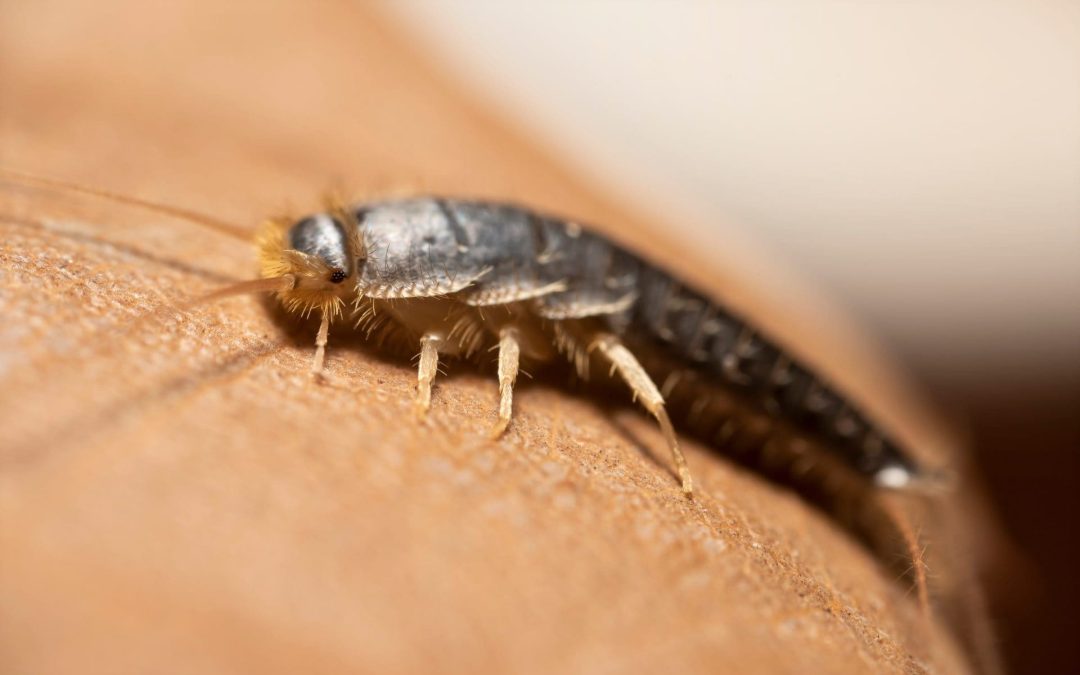
With a silver-grey colour, long antennae, 3 tails and elongated appearance, silverfish can range between 2-18mm long and tend to be nocturnal creatures.

While they mainly feed on plant material and fungi, silverfish have been known to enjoy starch-rich food sources such as starched cotton and paste, as well as linen, silk, synthetic fibres and paper.

They normally hitchhike into your home through contaminated food, such as pet food and starchy, sugary food.

As they moult every 2-3 weeks, you may find their shedded skins scattered over the floor during an outbreak.

Silverfish can take 3 months to 3 years to fully mature, and prefer to hide in less frequented, dark places during the daytime.

Manage fabric pests.
Our expert is ready to help you now.

or

Problems caused by fabric pests

If left unchecked, an outbreak of fabric pests can cause widespread damage to your personal belongings such as clothing, carpet, rugs, curtains and furniture.

They also leave a mess behind with their shed skins, silk threads and cocoons during the maturation process.

As scavengers, they will often eat stored food products and cause contamination.

Being small in size, they can easily crawl into small hiding places to evade treatment and lay eggs, making an infestation so much harder to control.

Signs of a fabric pest outbreak

Here are some ways to tell if you have pesky fabric pests around your home:

  • You notice damaged fabrics and textiles, including holes in clothing or loose carpet pile. You may even see moths or larvae on textiles and hidden in crevices on fabrics in dark places
  • Droppings on clothing will be the same colour of the consumed fabric
  • You see more insects than usual, especially around windows and door frames, as well as underneath heavy furniture, such as the sofa, particularly if they fly away once you move it. Check skirting boards and corners carefully
  • You find larvae in quiet, dark places, including wardrobes, closets and underneath heavy furniture and sticky silk cocoons covered with droppings, fabric debris, dust or hairs
  • You notice an increase in insect debris, such as shed brown skin and droppings from carpet beetles. Also look for silk threads, cocoons, tubes and sacs.
  • Black carpet beetles deposit their eggs in dark, protected places, for example in piles of lint, under and beneath skirting boards, in cracks and crevices, as well as air ducts

How to prevent a fabric pest outbreak

You can take small steps, which can make a big difference to protecting your home and belongings from a fabric pest outbreak. Here are some ideas:

  • Regularly vacuum and steam clean carpets to reduce dirt build-up, especially if they are made of wool or a wool blend, taking care to check behind and under furniture. You’ll want to remove dust, hair, fish food, spices and cigars or cigarettes that larvae can feed on. Pay attention to wardrobes, closets and walk-in robes.
  • Regularly inspect clothes, including underneath cuffs, collars and patches. Consider washing clothing and fabric even if it is less frequently used
  • For clothes and bedding and that aren’t used in your regular rotation, you can store these away in tightly sealed plastic bags
  • Place mothballs, Camphor or adhesive strips inside closets, linen cupboards, wardrobes and also inside pianos
  • Seal off entry points to the building, including cracks, crevices, gaps and holes in walls, skirting boards, windows, doors. Ensure that fly screens are well fitted and maintained and cover vents with mesh. Consider door seals for all outside entrance doors
  • Remove bird and wasp nests on buildings as they are a common place of shelter for carpet beetles
  • Avoid purchasing second hand furniture/clothes, and if you do, carefully inspect them for fabric pests before bringing them inside
  • Keep food sealed in sturdy, airtight containers 
  • Consider using a dehumidifier
  • To keep away silverfish, you can use strong smelling cleaners with citrus, lavender and cinnamon essential oils. Moth balls, Borax and diatomaceous earth are useful as well

To protect large items such as furniture or large rugs, we recommend contacting Allstate for more specific advice.

Safeguard your belongings from fabric pests.
Contact Allstate’s experts today.

or

Trust Allstate for fast and effective fabric pest removal

It can certainly be stressful to open up your wardrobe and find fabric pests flying and crawling around and ruining your favourite clothes. Fortunately, Allstate can help prevente the problem before it gets worse.

Family owned and established in 1986, Allstate has provided pest control services across all metropolitan suburbs of Adelaide in commercial, industrial and residential settings.

Our experienced, highly trained team is fully equipped to resolve all fabric pest outbreaks with modern and up-to-date solutions and advice. You can rest assured that all our treatments are nontoxic towards children, pets and the environment.

Available 24/7 to respond to urgent callouts and emergencies, we also have interest-free payment plans available to make it easier to access our services. To maintain quality, we have a a 100% money-back satisfaction guarantee and competitive warranty on all our services.

Contact Allstate today for expert fabric pest prevention

or

Professional fabric pest prevention

For extensive outbreaks, and those that are affecting large items such as a sofa or a commercial space, it’s best to leave it to experienced professionals with the right equipment.

At Allstate, we have experienced pest technicians on standby 24/7 ready to respond to all urgent problems.

We recommend placing all affected clothing, bed linen, curtains and other textiles into a sealed plastic bag for a few days in the sun or freezer to kill off all larvae and eggs before washing.

Your pest technician will assess the extent of the problem and determine which type of fabric pest they’re dealing with to come up with a targeted treatment plan. Our fabric pest prevention treatments usually involve:

    Pyrethrin dust

    When applied to affected areas, the fine particles of pyrethrin dust are an effective way of treating any small hiding places such as tiny cracks, holes, gaps and crevices.

    Fumigation

    Ideal for large outbreaks as they cover a wide area, our insecticide fumigation can also penetrate small hiding spots. It is ideally used for spraying cracks and crevices around skirting boards, door and window casings, shelving, tiles, loose mouldings and around pipe joins in walls and floors.

    Residual insecticide

    For a longer lasting way to keep fabric pests away, we recommend using sprays that stay active on surfaces for longer.

    Pheromone traps

    Laced with an attractant to lure male carpet beetles and case making clothes moths and then trapping them on the adhesive surface, pheromone traps are designed to prevent these male pests from mating and reproducing, resulting in a gradual decline of the pest population.

    Review

    To make sure that we have your fabric pest outbreak under control, we’ll return for a follow-up treatment. The timing of this review depends on the life cycle of the fabric pest in question. Your pest technician will also prepare a report for you to keep as a reference.

    Tips To Prevent Pests In Autumn

    Tips To Prevent Pests In Autumn

    TIPS TO PREVENT PESTS IN AUTUMN

    It’s been a warm couple of months – perfect for going to the beach, relaxing and spending a whole lot of time outside. As the autumn weather forces us back indoors, you’d be forgiven for thinking pests are also going into hibernation and you won’t have to worry about them anymore.

    Unfortunately this isn’t quite the case… rats, mice and cockroaches are just some of the pests still active in the cooler months.

    If you’re keen to stay on top of nuisance pests this autumn, read this guide to find out what to do. We’ve covered which pests to look out for and our recommendations for keeping them away from your home or business for good.

    What questions will this article answer?

    Why pests are still a problem in autumn

    If you thought that pests would go away at the end of summer, you could be in for a surprise. While it’s true that many pests do not adapt well to cooler weather, preferring to hibernate instead of breeding during the colder months, there are still plenty that will hang around your home or business.

    With the onset of cooler weather, you’ll tend to find an increasing number of pests being drawn inside to shelter in warmer places like your shed, garage, as well as roof and wall cavities.

    Other pests like birds and termites have not only evolved to adapt to cooler weather, but they may also become even more active. For example, pest birds like pigeons have waterproofing in their feathers. Some species of termites are drawn to moist, damp areas and can increase their activity by consuming more wood to boost their energy stores to survive.

    Pests to look out for in autumn weather

    The most common pests you’ll find in autumn are usually rodents, cockroaches and ants. However, some species of termites are also very active, particularly if your yard has woodpiles, fallen tree trunks or damp and shady areas.

    Identifying and treating pest outbreaks in autumn

    Here’s some ways you can tell if cockroaches, rodents and ants are infesting your home, and how to manage them.

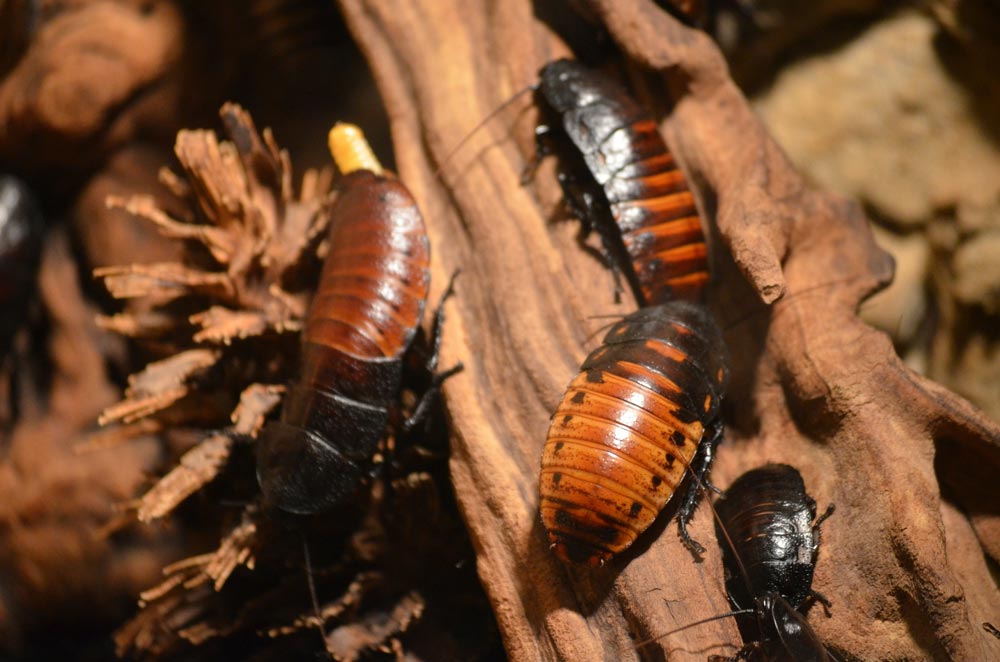
    Cockroaches

    Active at night, if you’re noticing more and more cockroaches hopping about after dark, or even during the day time, you may need act fast to prevente an outbreak.
    Look for droppings that resemble coffee grounds, skin shedding, eggs, an unpleasant musty odour and brown smear marks along walls and floors.
    For professional treatment, we prefer using cockroach control dust, applying insecticide to treated zones, aerosol insecticide sprays and gel baits. Learn more about Allstate’s cockroach control program here Cockroach Control

    Rodents

    As nocturnal creatures, rats and mice will look for food at night, so if you see or hear them moving around, chances are, there are many more hiding away.

    Pay attention to droppings, scratching and scurrying noises coming from your roof and walls, gnawed food and crumbs, bite marks on walls and electrical products, burrows and tracks in your garden, a musty odour and grease marks along your walls and skirting boards.

    Rat nests are usually hidden away, but are usually fashioned out of piles of scraps such as paper and cardboard.

    To manage rodents, we use a combination of chemical baits and traps, depending on the severity of the outbreak. Learn more about our rodent control options here Rats and Mice Removal

    Ants

    If you notice more ants marching around your home travelling along defined ant trails, this is a clear sign that you may have an outbreak.

    When you follow the trail back to their colony, the entrance will look like a small mound of dirt with a central hole known as an ant mound or anthill.

    Carpenter ants are known to damage wooden structures, so and leave behind discarded wood shavings, dirt, droppings or ant parts around the place.

    At Allstate, we prevente ants by using a combination of treatments, including ant control dust, insecticide spray and chemical baits. You can learn more about our nontoxic ant prevention treatments here Ant Control

    How to prevent an autumn pest outbreak

    Taking some small steps to prepare your home or business in the summer months is the key to keeping pests away in autumn. Here’s our recommendations:

    Block entry points

    Rodents can easily squeeze through small gaps to enter your home, so it’s useful to regularly inspect for potential entry points and either cover or fill them. This can include fitting door seals underneath exterior doors, sealing holes and cracks within pipes and gaps in kitchen cupboards or installing mesh or screens over larger openings such as water tanks, chimneys and vents.

    Learn more about sealing rodent entry points with our guide here How Rats get in your House

    Building maintenance

    With ants being very small in size and cockroaches having a flatter profile, this means that they can easily enter buildings through easily overlooked tiny cracks and crevices. However, these can easily be sealed over with filler and expanding foam. Look out for damaged drains and pipes which should be replaced quickly, as water leaks can attract cockroaches.

    Garden maintenance

    Regularly trimming your plants, bushes, shrubs, trees and mowing the lawn doesn’t just keep your yard looking tidy. It also limits hiding and nesting spots for rodents.
    By reducing the amount of vegetation touching your building, this limits access points for ants and cockroaches.
    Remove piles of organic waste, pet waste and fallen fruit also reduces the availability of potential food sources which attract pests.

    Keep less frequented areas tidy

    Storage areas such as garages, sheds and attics are preferred safe areas for pests to hide out, but not if you regularly clean and declutter.

    Practice safe food handling, preparation and storage

    Reduce pest access to food sources and avoid leaving food uncovered. Keep all food items stored away in the fridge, cupboards or drawers in sturdy, tightly sealed containers or packaging. Make sure all food preparation utensils, cutlery and dining surfaces are clean and wipe away spills immediately.

    Practice proper waste disposal

    Ensure that rubbish bins are properly covered and that bin bags are intact and tightly sealed.

    Choose Allstate for reliable and effective pest prevention

    At Allstate, we’ve seen firsthand how pests such as rodents, ants and cockroaches can still be a nuisance long after the summer peak season has gone.

    This is why we recommend staying vigilant to deter pests from coming inside your home or business to seek warmth in the cooler autumn weather.

    Fortunately, our fully-equipped Allstate pest technicians can help you avoid the disruption of having unwanted pests in your home when it’s cold. Since 1986, we’ve helped many clients all over Adelaide resolve pest outbreaks in residential, commercial and industrial settings.

    We take care to use tailored treatments which are nontoxic to pets, children and the environment. All our services are covered by competitive warranties and a 100% money back satisfaction guarantee. Payment plans are also available.

    We’re available 24/7 for urgent callouts and advice, so if you’re experiencing any unexpected pest outbreaks this autumn, our expert technicians are here to help.

    Our expert team is ready to help you now

    or