






prevention-icon

Termites

prevention-icon

Ants

prevention-icon

Cockroaches

prevention-icon

Spiders

prevention-icon

Birds

prevention-icon

Bed Bugs

prevention-icon

Bees & Wasps

prevention-icon

Rats & Mice

prevention-icon

Possums

prevention-icon

Biting Insects

prevention-icon

Disinfection Services

How to Get Rid of Carpet Beetles in Your South Australian Home

How to Get Rid of Carpet Beetles in Your South Australian Home

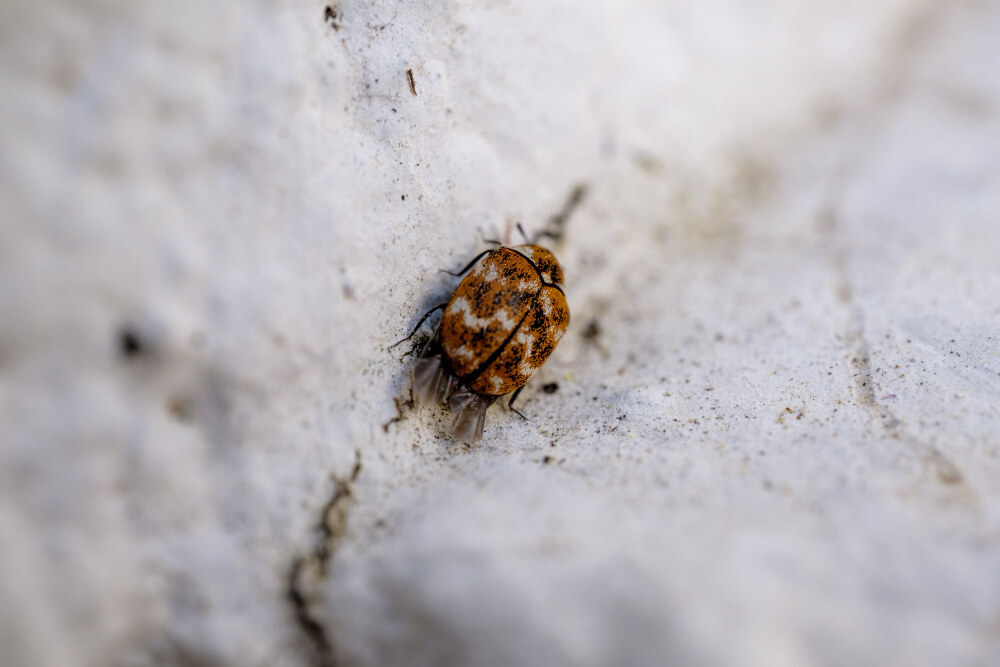
Carpet beetles might be tiny, but the damage they cause can be surprisingly big. From chewing through natural fibres to causing skin irritation, these oval-shaped insects are a nuisance and a sign that something deeper is going on inside your home.

Whether you’ve spotted a few crawling near your window sills, or you’re finding patchy damage on clothes or furniture, learning how to get rid of carpet beetles is the first step to reclaiming your space. In this guide, Allstate Pest Control walks you through everything from carpet beetle larvae to black carpet beetles. Additionally, we’ll see how to treat carpet beetles the right way.

What Are Carpet Beetles and Why Are They a Problem?

Carpet beetles are small, oval-shaped insects that belong to the family Dermestidae. In South Australia, the most common types include:

  • Varied carpet beetles
  • Furniture carpet beetles
  • Black carpet beetles

Adult carpet beetles are often seen near window sills and light sources, but it’s the carpet beetle larvae you really have to watch out for. They’re the ones that cause most of the damage by feeding on natural fibres like wool, silk, leather, fur, feathers, and even animal hair.

Signs of a Carpet Beetle Infestation

If you notice any of the following, you could be dealing with a growing carpet beetle infestation:

  • Shedding skins or “husks” from larvae
  • Irregular holes in natural-fibre clothing, upholstery or rugs
  • Live or dead carpet beetles near windows, doors, or vents
  • Small clusters of carpet beetle eggs tucked into dark corners, spider webs, or behind upholstered furniture
  • Signs of skin irritation in sensitive individuals

Household pests like carpet beetles are considered common pests in South Australian homes, especially during spring and summer when adult carpet beetles are actively breeding.

Understanding the Life Cycle of Carpet Beetles

To truly understand how to get rid of carpet beetles permanently, it helps to know their life cycle:

  1. Egg Stage: Females lay eggs in dark, undisturbed areas like inside air vents, under carpets, or in bird nests and dead animals.
  2. Larval Stage: Carpet beetle larvae hatch and begin feeding immediately on larval food such as dead insects, pet hair, wool, and even crumbs in the carpet.
  3. Pupal Stage: After weeks or months of feeding, larvae pupate in hidden spots.
  4. Adult Stage: Adult beetles emerge, usually to mate and find new egg-laying spots. Adults don’t do much damage, but they can still attract carpet beetles into your home.

    Protect your home from a pest outbreak, get expert advice today

    or

    How to Get Rid of Carpet Beetles Naturally

    If you’re looking for how to get rid of carpet beetles naturally, that’s fine and you’re not alone. Many South Australian families prefer low-impact methods before resorting to chemical or professional treatments. Here’s where to begin:

    1. Vacuum Regularly and Thoroughly

    Start by vacuuming every surface possible, especially:

    • Under rugs and carpets
    • Around furniture joints
    • Inside wardrobes and closets
    • Along baseboards and skirting

    Pay extra attention to areas where larvae prefer – dark, undisturbed zones. Dispose of the vacuum bag or empty the canister outdoors to avoid reinfestation.

    2. Use Hot Water and Steam Cleaning

    Hot water washes (above 60°C) are effective in handling both carpet beetle eggs and larvae. For non-washable surfaces, consider steam cleaning rugs, curtains, and furniture.

    3. Seal Cracks and Use Insect Screens

    Block out future beetles by sealing entry points and installing insect screens over vents and windows. Also, check for and remove any nearby bird nests or dead insects, which can be hidden sources of infestation.

    4. Store Clothes and Fabrics Properly

    Store off-season clothing in airtight containers, and avoid keeping natural fibres exposed for long periods, especially in storage rooms, lofts, or garages.

    How to Get Rid of Carpet Beetles Permanently

    When natural methods aren’t enough, professional treatment may be necessary to get rid of carpet beetles completely. Here’s a multi-step approach that can help:

    1. Identify and Remove Sources

    Locate and remove anything that could serve as a larval food source: old wool blankets, dead skin or pet hair buildup, or infested items from secondhand furniture.

    2. Targeted Use of Insecticide Sprays

    In South Australia, registered low-toxicity insecticide sprays can be used to treat areas where carpet beetles lay their eggs or where larvae feed. Always follow label instructions and never apply directly to clothing or bedding.

    3. Professional Pest Control Services

    If the infestation persists or spreads quickly, calling in carpet beetle experts like Allstate Pest Control can save you time and stress. With years of experience managing carpet beetle control in South Australian homes and businesses, our team uses safe, effective solutions tailored to your situation, especially when dealing with stubborn black carpet beetles or recurring outbreaks.

      Preventing Future Carpet Beetle Infestations

      Once you’ve dealt with the problem, don’t stop there. Prevent carpet beetles from coming back with these ongoing steps:

      • Vacuum regularly, especially in corners, under furniture, and behind storage areas
      • Avoid clutter that lets larvae enjoy dark spots to thrive
      • Keep pet bedding clean and washed weekly
      • Store wool, leather, and silk items in sealed containers
      • Inspect secondhand furniture before bringing it home
      • Check light fixtures, as adult carpet beetles are attracted to light
      1.  

      Frequently Asked Questions

      What is the fastest way to get rid of carpet beetles?

      The quickest way is to combine deep cleaning, hot water or steam cleaning, and targeted pest control treatments. If the infestation is widespread, professional services from Allstate Pest Control can speed up results.

      Will vacuuming get rid of carpet beetles? 

      Vacuuming alone may not completely get rid of carpet beetles, but it’s essential for removing larvae, eggs, and potential food sources. It should be part of your ongoing prevention routine.

      What do carpet beetles hate the most?

      They dislike disruption, hot water, light, and clean environments. They also avoid strong-smelling natural deterrents like cedarwood and eucalyptus, though these work best alongside cleaning and sealing.

      How do I know if I have a carpet beetle infestation?

      Watch for signs like damaged natural fabrics, cast-off larvae skins, adult beetles around window sills, or small brown or black bugs crawling indoors.

      Can I get rid of carpet beetles without chemicals?

      Yes, using steam cleaning, vacuuming, and hot water washing can reduce small infestations. But for larger or persistent cases, professional carpet beetle control is more effective.

      Trust South Australia’s Pest Prevention Experts

      Carpet beetles are sneaky and ruinous, but with the right approach, you can protect your home. Whether you’re dealing with a mild case of furniture carpet beetles or a full-blown carpet beetle infestation, Allstate Pest Control is here to help. Call us today for a free inspection, quote and advice tailored to your home or business.
      Our expert team is ready to help you now

      or

      How to Get Rid of Cockroaches

      How to Get Rid of Cockroaches

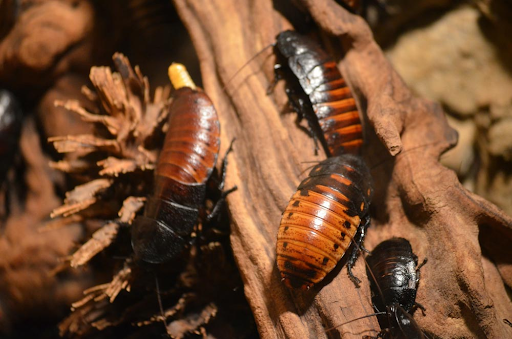
      Finding one cockroach in your home is unsettling. Finding more is a clear sign that something’s brewing behind the walls, under the sink, or inside your pantry. Whether it’s the German cockroach darting across your tiles or the big, noisy Australian cockroach flying at your light, nobody wants to share their home with these bugs.

      So, let’s talk about it: how to get rid of cockroaches. In this guide, Allstate Pest Control will cover how to deter cockroaches naturally, prevent future issues, and handle severe cockroach infestations without relying on harmful chemicals.

      What Attracts Cockroaches Into Your Home?

      Before you can win the war, you need to understand the enemy. Cockroaches are incredibly adaptive. They don’t just turn up for a visit, and they’re not picky. They’re here because your home offers something better than what’s outside. That could be:

      • Food crumbs behind the fridge
      • Pet food left out overnight
      • Leaky pipes under the sink
      • Garbage bins without lids
      • Or even just warm, dark places behind electrical appliances

      Put simply, cockroaches come looking for survival essentials—and the average household offers plenty of those, even when we think things are clean.

      You don’t need to be “dirty” to attract cockroaches. Even clean homes can provide the moisture and shelter they love, especially in humid environments like bathrooms, laundries, or poorly ventilated kitchens.

      Cockroach Control 101: Spot the Signs Early

      The earlier you notice them, the easier it is to deal with them.

      Look out for:

      • Droppings: Tiny black specs that resemble pepper or coffee grounds.
      • Egg cases (oothecae): Brown, capsule-like cases often found in corners or behind furniture.
      • A strong, musty smell: Large roach infestations produce a distinct odour.
      • Live sightings: Especially in kitchens, bathrooms, and laundry areas at night.

      If you suspect cockroaches in your home, act fast. A small problem can multiply into hundreds in just a few weeks.

      Best Way to Get Rid of Cockroaches: Proven Methods That Work

      Let’s walk through the most effective and safe cockroach control techniques used in South Australian homes.

      1. Use Bait Stations Strategically

      Bait stations contain attractants mixed with slow-acting substances that cockroaches bring back to the nest. They help manage active cockroaches and gradually reduce the population.

      Place bait stations:

      • Along walls
      • Under the fridge and dishwasher
      • Inside cabinets and near plumbing

      Avoid placing them where you’ve used surface sprays, as that can repel the cockroach before it feeds on the bait.

      2. Try Boric Acid (But Use with Caution)

      Boric acid is one of the most recommended home solutions by pest experts. It sticks to the cockroach’s body and is later ingested during grooming.

      How to apply:

      • Lightly dust boric acid behind appliances, in cracks, and under the sink.
      • Avoid areas with children or pets.

      3. Use Baking Soda and Sugar Mix

      Surprisingly effective, baking soda works as a homemade trap when combined with sugar.

      • Mix equal parts sugar and baking soda.
      • Place them in shallow dishes around areas prone to cockroaches.
      • Sugar attracts them; baking soda reacts with their digestive system.

      It’s a simple, pet-safe method worth trying before opting for commercial products.

      4. Apply Diatomaceous Earth

      Diatomaceous earth is a fine, natural powder made from fossilised algae. It damages the cockroach’s exoskeleton, drying it out over time.

      • Use food-grade only.
      • Sprinkle around baseboards, behind stoves, and anywhere they might crawl.

      While slow-acting, it’s a reliable option for those avoiding harsh chemicals.

        Protect your warehouse from a pest outbreak, get expert advice today

        or

        How to Get Rid of Cockroaches Naturally

        For homes with pets, kids, or those who prefer eco-safe options, here are some natural cockroach deterrents that work.

        1. Essential Oils

        Cockroaches hate strong scents. Use oils like:

        • Peppermint oil
        • Eucalyptus oil
        • Lavender oil

        Mix 10 drops with water in a spray bottle. Use this around doorways, windowsills, and under cabinets to repel cockroaches.

        2. Bay Leaves

        A traditional and underrated hack. Bay leaves have a scent that cockroaches generally dislike. Scatter a few in pantry corners or behind appliances.

        3. Coffee Grounds

        Used coffee grounds can act as both an attractant and a trap. Place grounds inside a jar lined with Vaseline on the inside. Roaches climb in and can’t get out.

        Prevent Cockroaches From Returning

        Prevention is the real long-term solution. Once you’ve handled the cockroach infestation, keep these habits:

        • Fix leaky pipes and remove sources of excess moisture.
        • Empty garbage bins regularly and use lids.
        • Don’t leave food out, even pet bowls.
        • Seal cracks and gaps near skirting boards and walls.
        • Store dry food in airtight containers.
        • Vacuum and clean regularly—especially behind stoves, dishwashers, and cupboards.

        According to the Australian Environmental Pest Managers Association (AEPMA), integrated pest management (IPM) is the gold standard, combining cleanliness, exclusion, and targeted controls.

        Know Your Roaches: Australian, American, and German Species


        There are over 450 species of cockroaches in Australia, but only a few make it indoors.

        German Cockroach

        Small, light brown, fast breeders. Common in kitchens. They thrive in areas with warmth and moisture. Often, the toughest to control without professional help.

        Australian Cockroach

        Large and reddish-brown with yellow markings. Prefer outdoors but enter homes during dry seasons or heavy rains.

        American Cockroach

        Also large and reddish. Often found in crawl spaces, basements, or sewer lines. Known for flying and scaring the daylights out of people.

        Each type has different behaviours, which means tailored, professional treatment works best.

        When to Call in the Experts

        If you’re seeing cockroaches even after trying all the methods above, it’s time to get help. A pest control expert can assess where they’re hiding, what species you’re dealing with, and how severe the problem is.

        At Allstate Pest Control, we offer safe, fast, and reliable cockroach control across South Australia. Whether it’s a few persistent roaches or a full-blown roach infestation, we’ve got proven methods to help you regain your space, without overloading your home with chemicals.

        Frequently Asked Questions

        What’s the best way to get rid of cockroaches fast? 

        Using bait stations combined with sealing food and moisture sources is often the most effective way. If the infestation is large, professional pest control is recommended.

        Can I get rid of cockroaches naturally?

        Yes. Baking soda, boric acid, essential oils, and even coffee grounds are popular home remedies. These work best for small infestations.

        Why do cockroaches keep coming back?

        They return when food, water, and shelter are still available. Regular cleaning, sealing gaps, and removing leftover food are key to cockroach control.

        Do essential oils really work to deter cockroaches?

        Yes, especially peppermint and eucalyptus. They act as a natural cockroach deterrent, but should be used consistently.

        Is it safe to use boric acid around pets? 

        Not really. While effective, boric acid can be harmful to pets if ingested. Always use in inaccessible areas or try diatomaceous earth as a safer alternative. Or better still, call in a pest control expert for professional cockroach treatment.

        Our expert team is ready to help you now

        or

        Guide to Wasp Nest Removal in South Australia: Safe Ways to Get Rid of Wasps

        Guide to Wasp Nest Removal in South Australia: Safe Ways to Get Rid of Wasps

        Imagine stepping out to the backyard only to hear that unmistakable buzz around the fence line – or worse, right under the eaves of your roof. You look up and there it is: a growing wasp nest. Whether it’s paper wasps dangling from your pergola or European wasps disappearing into a wall cavity, one thing is clear, you’ve got a wasp problem.

        In South Australia, warmer months come with sunshine, barbecues, and (if you’re unlucky) wasps. These invaders can turn any backyard gathering into a stressful situation, especially when they decide to build a new nest near your home or workspace. And unlike bees, wasps can sting multiple times, and are a serious concern, especially for families, pets, and businesses that cater to the public.

        This guide is for South Australians dealing with wasp nests on their property. We’ll break down what you need to know about wasp nest removal, how to do it safely, and when to call in an expert like Allstate Pest Control.


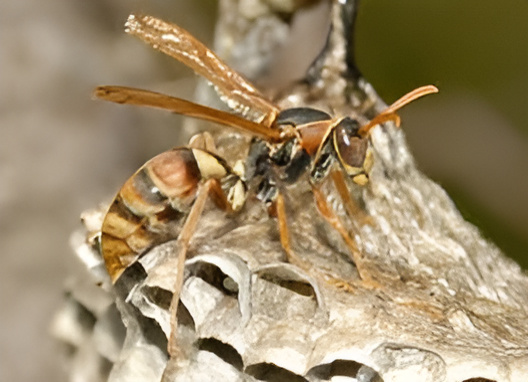
        wasp making a nest

        Why Wasps Build Nests Around Your Home

        Wasps are incredibly resourceful. As long as they find sheltered areas, nearby food, and a space warm enough to nest, they’ll settle in (even if that means your space). 

        Each spring, a queen wasp emerges from hibernation to kickstart a new colony. She lays a small cluster of eggs, and once the first batch hatches, worker wasps take over construction and foraging. The nest increases in size week by week, often starting as small as a golf ball, but potentially expanding to the size of a basketball or larger if left unchecked.

        Places where wasps build include:

        • Roof voids and eaves
        • Sheds, garages, and pergolas
        • Wall cavities
        • Ground hollows or tree stumps
        • Behind cladding or fences

        European wasps (Vespula germanica), the most aggressive and common in South Australia, tend to go underground or into voids, while paper wasps usually build visibly on surfaces.

        What a Wasp Nest Looks Like (And What It Tells You)

        You might spot wasps flying in a straight line to a hole in a wall or the ground. That’s your first clue. Then, depending on the species:

        • Paper wasp nests look like small, grey honeycomb fans, often hanging under eaves or patio roofs.
        • European wasp nests are concealed and more spherical. If you find one inside a wall, it can contain thousands of wasps.
        • If you’ve found a round, papery ball attached to a branch or beam, you’re likely looking at an early-stage new nest.

        If the nest entrance is busy with traffic all day, especially during warmer weather, chances are it’s active and growing.

        The Real Risks of Having a Wasp Nest Around

        Let’s be straightforward: wasps sting, and they don’t stop at one. Unlike honeybees, a single wasp can sting multiple times, and it’ll do so if it feels the colony is under threat.

        European wasps, in particular, are notorious for:

        • Chasing perceived threats aggressively
        • Nesting close to human activity (under decking, near play areas, in garages)
        • Defending their entire nest in swarms

        A sting is painful, sure. But for many Aussies, it can also trigger serious allergic reactions. In fact, SA Health data lists wasp stings as among the most common anaphylaxis-causing bites. 

        Other research also shows stings from wasps and bees alone are responsible for one-third (33%) of insect-related hospital presentations during summer in Australia. 

        What to Do (and Not Do) If You Spot a Nest

        Let’s be honest: the first instinct is often to grab the hose or spray. But that’s usually a bad idea.

        Here’s what you shouldn’t do:

        • Don’t poke, bang, or shake the nest entrance
        • Don’t try to flood or set fire to the nest
        • Don’t spray without a clear exit route and protective gear

        Now, if the nest is small, newly built, and easily accessible, you might manage DIY safely. But anything beyond that is better left to the trained bee and wasps removal professionals at Allstate Pest Control.

        Allstate Pest Control is one of the best pest control firms in SA for removing wasp nest and beehives

        Step-by-Step: How to Remove a Wasp Nest Safely

        Only attempt this if you:

        • Know the nest is in its early stage
        • Can clearly identify the type of wasp
        • Are not allergic to stings
        • Have the right gear and plan

        1. Identify the Wasps

        European wasps have:

        • Bright yellow and black markings
        • Black antennae
        • A fast, aggressive flight pattern
          Paper wasps are longer and have dangling legs while flying.

        If you’re unsure, assume it’s a European wasp and don’t take risks.

        2. Gear Up

        You’ll need full protective clothing:

        • Long sleeves, pants, gloves, and enclosed shoes
        • Face protection, preferably a mesh head covering or bee veil

        3. Pick the Right Time

        Do it early in the morning or just after sunset. Wasps are less active when it’s cooler and dark. Never disturb a nest during the heat of the day.

        4. Choose Your Method

        For small nests:

        • Use wasp traps nearby to reduce numbers
        • A homemade solution using peppermint oil and dish soap in a spray bottle can be sprayed on paper wasp nests (but not on European wasps; they’ll fight back)

        If the nest is in a cavity or ground, don’t attempt to physically remove it. It’s safer to contact a licensed pest control provider.

        When to Call Allstate Pest Control

        If you answer “yes” to any of these, call us:

        • The nest is large or hidden
        • The wasps are inside your walls, roof, or underground
        • You’ve had previous infestations or old nests
        • The wasps are aggressive or swarming
        • You’ve been stung, or have young kids or pets around

        At Allstate Pest Control, we’ve handled everything from single paper wasp nests to full-blown European wasp nests in commercial properties. We assess, remove, and provide ongoing monitoring to keep your home or business safe, using eco-conscious, pet-safe methods.

        Not sure what to expect? Check our guide on wasps

        Long-Term Wasp Prevention Tips for SA Homes

        Wasp nest removal is one thing. Keeping them away is another. Here’s how you can reduce the risk of a new nest popping up again:

        • Clean up food scraps, sugary drinks, and pet food outside
        • Keep bins tightly sealed
        • Seal up cracks, vents, and holes in walls and roofs
        • Hang decoy nests in spring – wasps won’t build near old nests
        • Install fly screens and door seals

        Want to go chemical-free? Plant mint, citronella, and wormwood around the garden. Their strong scents naturally deter wasps.

        Frequently Asked Questions 

        What’s the safest way to remove a wasp nest? 

        Professional wasp nest removal is safest. If DIY, choose early morning, wear full protective clothing, and only attempt if the nest is small and clearly visible.

        Do wasps reuse old nests? 

        No. Wasps don’t return to old nests, but they often build a new nest in the same area if it’s still hospitable.

        Are natural repellents like peppermint oil effective? 

        Peppermint oil can deter wasps, especially when used early in the season. It won’t kill wasps, but it may stop them from settling in.

        What attracts wasps to my yard? 

        Sweet drinks, ripe fruit, uncovered food, compost, and pet bowls are major attractants. So are sheltered areas where a queen lays eggs to start her colony.

        How can I tell if I have a European wasp nest? 

        If you see wasps entering and exiting a wall, ground hole, or roof cavity in a straight line, especially mid-day, you may have a European wasp nest. These wasps are stockier and more aggressive than other species. Call an Allstate Pest Control expert for professional pest control. 

        Final Thoughts: Wasp Control Is About Safety, Not Just Convenience

        The goal isn’t to go to war with nature but to live safely alongside it. Wasps play an essential role in ecosystems by controlling other insects, but they don’t belong in your living space. Especially not in your walls, roof, or kids’ cubby house.

        If you’ve spotted one or more nests, don’t wait. They grow fast, and the risks grow with them.

        Reach out to Allstate Pest Control for fast, trusted and professional wasp removal, whether you’re in the Adelaide suburbs or on a rural property. We’re here 24/7, and we handle the hard stuff so you don’t have to.

        Early signs of autumn pests

        Early signs of autumn pests

        EARLY SIGNS OF AUTUMN PESTS

        As the summer festivities wind up and days get cooler, you might naturally assume that pests will also disappear. Unfortunately, this is not the case for ants, cockroaches, spiders and rodents. Learn how you can identify these common autumn pest issues fast in today’s Hivemind blog.

        What questions will this article answer?

        Ants

        When the mercury starts to dip in autumn, this signals ants to seek out warmer places to house their colonies in winter. As expert scavengers, ants can also detect food smells from over 3 metres away. With these important resources being readily available in your home, it’s not hard to imagine why ants would want to venture inside!

        How to identify ant infestation

        • You’re noticing more ants out and about, especially marching along well-defined ant trails to and from their nest and food source
        • You find ant hills in your garden, which look like small areas of raised dirt, with a central opening
        • Fire ants can create distinctive mounds which are up to 40cm high, depending on the type of soil
        • Carpenter ants leave behind piles of frass, resembling fine dirt particles, made up of wood shavings, dirt, droppings and ant body parts


        Tips to keep ants away

        • Keep food covered in tightly sealed containers and stored away
        • Regularly clean and disinfect food preparation and dining areas including tables, benches, sinks, stoves and floors.
        • Don’t forget outdoor dining areas as well
        • Wipe away food spills and crumbs immediately
        • Avoid leaving dirty dishes and cutlery in the sink
        • Keep rubbish stored in bins with well-fitted lids
        • Regularly mow your lawn
        • Trim back trees and shrubs away from your home
        • Dispose fallen fruit in your backyard, as well as piles of vegetation
        • Use ant baits

        Cockroaches

        Well known for spreading diseases, cold-blooded cockroaches cannot regulate their bodies in cooler temperatures, and rely on the warmth, shelter and food in your home to survive. With the cockroach population peaking in summer, you’ll see them increasingly seeking refuge in your home as the mercury drops.

        How to tell if you have a cockroach issue

        • As nocturnal creatures, you’re more likely to see them when they’re active at night
        • As they grow bigger, cockroaches leave behind moulted outer skins which are thin and pale-yellow in colour
        • Cockroach droppings can vary in length depending on the species, but resemble coffee grounds and can give off a musty odour


        Safeguarding your home from a cockroach issues

        • Inspect your home for potential entry points and either cover or fill them
        • Check the plumbing around your home for leaking pipes and drains and repair them as cockroaches thrive in moist environments
        • Remove food sources by keeping your kitchen and dining areas clean, wipe away food spills and grease around your stove and oven, keep your dishwasher clean, and ensuring that food and rubbish is covered tightly
        • Practice good hygiene by washing your hands with soap and water before and after food preparation, handling waste and coming into contact with contaminated surfaces

        Worried about summer pests causing an autumn issues? Speak to an expert today

        or

        Spiders

        Although spiders are very busy over summer, they’re still extremely active in autumn. They’ll be seeking out a warm place to hibernate when it gets cold, while simultaneously looking for mates and laying eggs ready to hatch come spring.

        Signs of a spider issues

        • You may notice more spiders out and about, especially at night, as most are nocturnal
        • You keep bumping into messy and sticky cobwebs
        • Egg sacs which contain hundreds of eggs are encased in silken webbing may be seen suspended in nesting areas
        • Wolf spiders use their fangs to tunnel through dirt and create burrows in your yard, where they lay waiting for prey.
        • These burrows have a rounded opening which can be 2-3cm in diameter


        Preventing spiders in your home

        • Regularly sweep, dust and vacuum to remove cobwebs in your home, paying attention to windows, window screens, walls and ceilings in less frequented areas
        • Reduce clutter
        • Seal off potential entry points and hiding spots, such as gaps, cracks and crevices
        • Regular garden and yard maintenance, including trimming back tree branches and removing piles of wood and leaf litter

        Rodents

        With the rodent population peaking in late summer and early autumn, and food sources dwindling as autumn progresses, rodents become increasingly active in their search for alternative resources and shelter. Unfortunately, this could lead them straight inside your home!


        Spot a rodent infestation

        • While they can be hard to spot, you’re more likely to physically see them scurrying about at night as they are nocturnal
        • Listen for squeaking, scratching, scurrying and scampering sounds coming from your roof and walls
        • Rodent droppings usually look like black grains of rice, and range from 3-18mm in length, and give off an unpleasant, musty odour
        • Unexplained gnawed and partially eaten food items left scattered around your home
        • Gnaw marks appearing on your walls, timber furniture, cables and walls
        • Rodent nests are typically well hidden, but are constructed from foraged material scraps such as wood, straw, paper, fabric and cardboard
        • Grease marks may appear on your walls and skirtings from rodent fur


        How to stop a rodent problem

        • Inspect your home, especially your roof, for possible entry points and seal them over
        • Avoid leaving food items out in the open. Instead, keep them stored away in sturdy containers or packaging
        • Keep rubbish bins and compost properly covered
        • Cover vents with a fine mesh and install grates or caps on chimneys
        • Fit weather strips around windows and draught excluders under doors
        • Regular yard maintenance including keeping shrubs and trees trimmed, lawns mowed, disposing fallen fruit and piles of organic waste

        For safe and effective autumn pest management, choose Allstate

        As summer winds down and it seems like there are less pests around, the last thing you would expect is to be caught unawares with an autumn pest issue. At Allstate, however, we understand that some pests are just simply a nuisance no matter the season.

        That’s why our team is available 24/7 for urgent advice to infestations of all sizes in residential, commercial and industrial settings in all suburbs of Adelaide.

        Locally operated since 1986, our highly trained, licensed pest control technicians provide tailored and innovative solutions to manage pest problems using non-toxic treatments which are safe for children, pets and the environment.

        With various payment plans offered on all our services, your home can stay pest-free not just this autumn, but all year round.

        Our expert team is ready to help you now

        or

        Understanding the life cycle of a termite

        Understanding the life cycle of a termite

        INSIDE THE TERMITE LIFE CYCLE: HOW A COLONY THRIVES AND EXPAND

        Most people think termites are just tiny bugs that eat wood. But behind every damaged beam is a well-organised termite colony, hard at work, non-stop, 24/7. The termite life cycle is a finely-tuned system. One that turns fragile termite eggs into powerful worker termites, soldier termites, and future kings and queens.

        Imagine a single egg becoming part of a million-strong colony under your floorboards. That’s how it starts. And if you don’t catch it early, they’ll quietly feast for years. At Allstate Pest Control, helping Adelaide homeowners and businesspeople with termite control starts with understanding the cycle: how eggs are laid, hatched, plus termites responsible for colony reproduction, as well as how termite larvae grow, change, and build their empire.

        Reproductive termites

        Responsible for populating the colony, reproductive termites play an important role in beginning the termite life cycle. There are 3 main types of reproductive termites in a colony with each serving a distinct role in its survival.


        Primary reproductive termites

        The original founders of a new colony, reproductive termites have one main job: to create and lay eggs. Also known as the King and Queen, they are darker in colour and have better vision than other termites. Queen termites can grow up to 4-6 inches long, whereas Kings tend to remain the same size as other worker termites.


        Secondary reproductive termites

        Playing a supportive role to the primary reproductive termites, there is usually a pair of secondary reproductive termites which act as a backup King and Queen. They are ready to step up in case anything happens to the primary pair. They also play a role in maintaining the size of the colony. In some species, there may be multiple pairs of secondary reproductive termites.


        Swarmers or alates

        When a colony has reached capacity and is ready to expand, you will notice the presence of swarmers or alates. Tasked with starting a new colony, these swarmers are reproductive termites with wings. Upon maturity, they develop a tougher and darker outer shell to make them resistant to moisture loss, as well as better eyesight, to assist with swarming.


        In late spring to early summer, you could find up to 50,000 swarmers leaving a colony to find a mate and establish a new colony elsewhere. Once fertilisation is complete, swarmers lose their wings and become the new primary King and Queen.


        Thankfully, it’s thought that only around 10% of swarmers will be successful in mating and starting a new colony!

        Eggs

        Starting a colony from scratch isn’t easy, but that’s why Queens can lay up to 30,000 eggs in a single day!

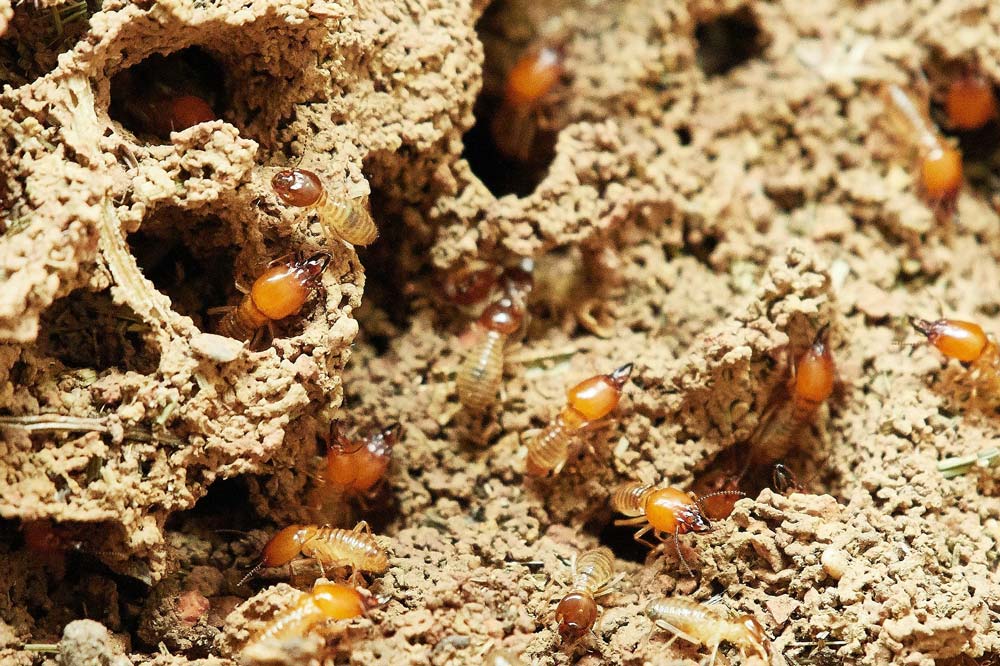
        Laid in clusters deep within the nest, termite eggs are concealed and heavily protected by the Queen and her workers. They are usually oval-shaped and small in size, white or brownish in colour, with a translucent appearance.

        Termite eggs normally take 1-2 weeks to hatch into pale white larvae.

        Larvae

        Tended to by worker termites, larvae are the freshly hatched babies within a termite colony. They grow up to 2.5mm long, are white and translucent in appearance, with a soft outer shell that gradually hardens as they approach maturity. Larvae evolve through several nymph stages until they become adults.

        Don’t delay your termite inspection, make an appointment today

        or

        Nymphs

        As termite larvae develop into adults, they undergo several moults, where they continually outgrow and shed their outer shell, also known as the exoskeleton.

        During this critical developmental period, nymphs physically evolve and develop the necessary body structures for their caste, or adult role in the colony, as soldiers, workers, or reproductive termites.

        Their exact role is determined by pheromones produced by the King and Queen and heavily influenced by the colony’s survival needs.

        A nymph’s normal maturity time is around one year, and this process can depend on predators and food availability.

        Adult termites

        Every flourishing termite colony consists of different groups of termites which play a specific part in guaranteeing its survival. Also known as castes, you’ll find 3 distinct groups of adult termites in a colony:


        Workers

        Workers make up the vast majority of a colony and are responsible for caring for younger termites, building and maintaining the nest, foraging, and feeding other termites. They are white or pale brown in colour and grow up to 4-6mm long.


        Soldiers

        As their name suggests, soldier termites are key players in protecting and defending the colony against predators. They are easily recognised by their strong mandibles and large, rectangular-shaped heads, range from white to pale red to light brown in colour, and grow up to 5-6.5mm long.


        Reproductive termites

        A small number of nymphs become winged adult termites in mature colonies to assist with expanding and establishing another colony elsewhere. They are dark brown to black in colour and grow up to 12mm long.


        Changing castes

        Termite colonies are known to be very responsive to the external environment, so depending on the needs of the colony, adult termites from one caste can transition to another caste if needed.

        Signs of a termite outbreak

        Termites are notoriously difficult to detect until it is too late without the correct equipment and training. However, in severe outbreaks, you may notice the following clues:


        • Brown mud tubes along walls, skirtings and foundations
        • Hollow-sounding wooden structures when tapped, including trees and timber in your home
        • Blistering and cracks in paint or plaster
        • Warping and buckling floorboards
        • Discarded wings from swarmers or alates

        Seen signs of termites? Don’t wait, speak to an expert today

        or

        How to prevent termites

        While the risk of a termite attack is high in most parts of Australia, you can definitely be proactive to avoid it happening in your home. Here’s how:


        Termite inspections

        According to government guidelines, a termite inspection is recommended at least once a year and even more frequently in areas considered to have a greater risk of an outbreak. At Allstate, our team of licensed termite inspectors is fully equipped with the right tools to assist you with comprehensive termite inspections.


        Remove sources of moisture

        Water attracts termites, so if you live close to a river or wetland, or have ponds or bird baths at your home, you’ll need to be more vigilant with termite protection. Regularly check for leaks in your plumbing inside your home and around your roof, including gutters, pipes, drains and taps, and repair them as soon as possible.


        Regular yard maintenance

        Termites feed on cellulose, which is found in wood and timber. So, we recommend trimming back branches from trees and shrubs away from your home. Remove piles of wood or store them well away from your home. Check timber posts, sleepers and outdoor furniture for any potential termite damage.

        Frequently Asked Questions

        How long is the life cycle of a termite?

        From egg to adult, the termite life cycle usually takes several months. Some mature termites live just a year or two. But queen termites can live up to 25 years, constantly laying eggs to grow the colony.

        What is the life cycle of a termite in Australia?

        In Australia, termite species like subterranean termites follow a caste-based system. They hatch from eggs, pass through the termite nymphs stage, and develop into workers, soldier termites, or reproductive termites. Climate and colony needs influence how quickly they develop.

        What happens if the termite queen dies?

        Without queen termites, egg production stops. But colonies often have backup reproductive termites ready to take her place. So unless all reproductives are prevented, the colony may still survive and grow.

        Do termite castes ever change roles?

        In some cases, yes. Certain termite nymphs can shift into different termite castes if a colony loses key members. For example, a worker termite may develop into a reproductive termite if the colony lacks a queen or king.

        What kills termites the fastest?

        Professional-grade termiticides work the fastest, especially those used in bait stations and soil treatments. These target worker termites, which then carry the poison back to the nest. That’s the most efficient way to prevente the entire termite colony.

        Choose Allstate Pest Control for Safe & Effective Termite Management

        At Allstate Pest Control, we understand how hard it can be to detect termites, let alone differentiate between the various stages of the termite life cycle. That’s why we offer free termite inspections to all homes and businesses across Adelaide.

        Founded in 1986, Allstate Pest Control offers premium pest control services for residential, commercial and industrial clients. Available 24/7 for urgent advice and enquiries, our highly trained pest technicians offer innovative and tailored treatments which are non-toxic to children, pets and the environment.

        With access to payment plans, you and your family can stay protected from all types of termites, all year round.

        Our expert team is ready to help you now

        or