







prevention-icon

Termites

prevention-icon

Ants

prevention-icon

Cockroaches

prevention-icon

Spiders

prevention-icon

Birds

prevention-icon

Bed Bugs

prevention-icon

Bees & Wasps

prevention-icon

Rats & Mice

prevention-icon

Possums

prevention-icon

Biting Insects

prevention-icon

Disinfection Services

Ultimate Guide to Stored Product Pests

Ultimate Guide to Stored Product Pests

ULTIMATE GUIDE TO STORED PRODUCT PESTS


It can be frustrating to find tiny insects crawling around your kitchen pantry and helping themselves to your food before you’ve had a chance to enjoy it yourself. Many of stored product pests enter your home through contaminated packaged products, making your pantry pests a mess, spoiling your food and sometimes even damaging furniture and clothing. Even worse, some can fly, spreading the outbreak and causing a significant nuisance.

If you’re experiencing an invasion of stored product pests in your home or business, we discuss the seven most common ones you’re most likely to encounter and how to prevent them permanently. For more details, visit our pest control for manufacturing and industrial sectors.

What questions will this article answer?

Cigarette beetles

Though they are known for eating tobacco leaves and products and processed tobacco, you will also find cigarette beetles eating stored food products and other materials. These include grains, cereals, spices, nuts, cardboard packaging, wool, leather and clothing. 

Appearance

  • Adults are round-shaped, 2-3mm long, reddish-brown and covered with short hairs
  • Larvae are curvy and hairy and can grow up to 4mm long
  • Eggs are oval-shaped and white coloured

Problems they cause

Contaminate your food by:

  • Larvae leave behind strands of silken webbing as they tunnel through your food 
  • Females lay eggs in and around stored food

Read more about cigarette beetles here

Warehouse beetles

As their name suggests, you’ll most commonly find warehouse beetles attacking dried food in warehouse facilities.

They can chew through different packaging materials, such as cardboard, plastic, and foil, to access their favourite foods, including seeds of all kinds, animal protein, and woollen fabric.

You can also find them crawling around rodent baits, rodent carcasses, bird and wasp nests as well as spider webs in search of food.

Appearance

  • Winged, red-brown coloured with whitish bands across their body, oval-shaped and 3-5mm long
  • Larvae are 5-8mm long, varying from yellow/white to dark brown in colour, and covered with red-brown hairs known as setae
  • Often confused with the similar-looking Khapra beetle, but is not known to be present in Australia

Problems they cause

  • Occasionally fly, become a distraction and general nuisance
  • Larvae frequently shed and moult their outer casing, leaving behind an accumulation of casing remnants in your food
  • Hair shedding by larvae can trigger allergies and cause illnesses such as asthma and gastroenteritis

Read more about warehouse beetles here

Flour beetles

Often detected in flour mills, bakeries, grain silos and anywhere with stored grain, including your kitchen pantry, flour beetles prefer eating broken, milled and processed food such as flour, bran and oatmeal. However, they also enjoy dried pet food and flowers, nuts, seeds, spices, beans and pasta. There are two main types of flour beetles: the confused flour beetle and the red flour grain beetle. You can differentiate between these types of beetles through the shape of their antennae.

Appearance

  • 3-4mm long, red-brown coloured, oblong-shaped with antennae and wings
  • Red flour beetles have three segments at the end of the antennae, whereas confused flour beetles have four segments
  • Only red flour beetles can fly.
  • Larvae are pale yellow to light brown coloured

Problems they cause

  • When red flour beetles are agitated, they turn a pink colour and secrete a substance called quinone that causes flour also to turn pink, give off an unpleasant odour and taste mouldy
  • Because flour beetles thrive in warm, humid environments, this can encourage the growth of mould in your food
  • Flying red flour beetles can be a distraction and cause a general nuisance

Read more about flour beetles here.

Sawtoothed grain beetles

Best known for their raised “sawtooth” projections, saw toothed beetles are associated with infestations in food storage and manufacturing facilities and enter kitchen pantries through contaminated food.

They eat broken and damaged grain kernels rather than whole kernels, brown rice, walnuts, chocolate, sugar, dried fruit and tobacco. 

Appearance

  • Adults are flat, have three distinct segments, 2.5-3.5mm long, reddish brown coloured with antennae
  • Look for six raised “sawtooth” ridges on both sides of their thorax and three on top
  • Male sawtooth beetles have a tooth on their hind leg
  • Larvae are yellow-white coloured with a brown head and six legs, grow up to 4mm long and are covered in hairs (setae)
  • Eggs are 0.7mm long and white in colour 

Problems they cause

  • Their activity inside stored food items can increase the humidity, and higher levels of moisture breed mould and spoil your food
  • Can penetrate well-sealed packaging and contaminate food
  • Their flattened body makes it easy to hide and breed in hard-to-reach places, such as tiny cracks and crevices, to evade treatment.

Read more about sawtoothed grain beetles here.

Lesser grain beetles

Considered the most significant stored grain pest in Australia, lesser grain beetles have been known to contaminate tonnes of harvested grain yearly with common species such as wheat, corn and rice.

While they pose a serious agricultural threat, these pests can sometimes avoid detection and enter homes through contaminated products, including nuts, spices, dried fruit and meat, beans and birdseed.

They are also attracted to rodenticide baits, and tobacco products and have even been found in wooden furniture.

Appearance

  • Adults are up to 3mm long, with a reddish-brown to black coloured, cylindrical-shaped body that is punctuated with indentations
  • Larvae are curved, with white-coloured bodies and brown heads

Problems they cause

  • Females bore holes into whole grain kernels to lay eggs, which hatch and develop into larvae inside the grain kernels. Once a fully formed adult exits the kernel, only hollow husks and large amounts of flour (frass) are left behind
  • Larvae prevent their droppings outside grains, leaving behind a large accumulation of waste
  • Damaged grain has a sweet and musty odour
  • Adult beetles have been known to fly and spread infestations to different locations

Read more about lesser grain beetles here

Grain weevils

Three different species of grain weevils, including rice, maise, and granary weevils, are found in kitchen pantries and lurk in whole grain kernels of food.

Female grain weevils usually bore into grain kernels to lay eggs, which hatch and remain inside the kernel until a fully developed adult weevil emerges.

Appearance

  • Adults are 3-3.5mm long, oblong-shaped, shiny red-brown to black-coloured insects with a pointed snout and covered in short yellow hairs
  • Larvae are white in colour

Problems they cause

  • In severe outbreaks, only a hollowed-out grain husk and large amounts of powdery white frass (droppings) are left behind
  • They leave holes in whole grain kernels and reduce the quality of grain
  • Heat and warm temperatures can accelerate the life cycle development of grain weevils into adults and cause grains to cake together, grow mould or even germinate

Read more about grain weevils here

Indian meal moths

Found in various stored food products, Indian meal moths are usually introduced to kitchen pantries through contaminated packaged food.

Also known as pantry moths, these pests eat a wide range of foods, including grains, pasta, nuts, spices, dried fruits, and cocoa.

Appearance

  • Adults are approximately 1 cm long, with brown-tan tipped wings
  • Larvae are creamy white coloured with a dark head and grow up to 2cm long
  • Eggs are 0.3-0.5mm long and white coloured

Problems they cause

  • Being small, they can penetrate well-sealed plastic packaging, crawl under poorly sealed lids and into tiny cracks and holes to contaminate stored food
  • Adults fly around, creating a distraction and causing a general nuisance
  • They hide in door hinges and corners of cupboards, making them hard to reach
  • Larvae leave behind droppings and spin silken strands of webbing in your food

Read more about Indian meal moths here

How to remove stored product pests


The best way to manage an outbreak is to locate and remove the source. There are many ways this can be done, and in many cases, this is enough to fix the problem. Here are some tips:

  1. Carefully inspect quiet, warm, dusty areas to locate hiding insects, eggs, larvae, and skin-shedding remnants. This includes pantries, cupboards, shelving, cabinets, drawers, and underneath and behind the refrigerator and stove. Remember to lift carpets, rugs, furniture, and cardboard boxes. Inspect dead rodents and insects that you come across, as well as bird nests, wasp nests, and spider webbing.
  2. Clear the affected area by immediately disposing of all contaminated items by wrapping them tightly in sturdy plastic or burying them deep inside the ground.
  3. Conduct a deep, thorough clean by wiping, disinfecting, and vacuuming. This will help remove mould and as many stored foods and pests as possible. Pay attention to cracks and crevices where small food particles can accumulate and attract pests.
  4. You can disinfect items by applying intense heat, freezing or microwaving where appropriate.
  5. Inspect food items before bringing them inside in case they are contaminated, and store them in well-sealed, sturdy containers.

Having trouble removing stored product pests? Contact Allstate today

or

Professional stored product pest control


At Allstate, we are always up-to-date with the latest and most effective pest prevention methods. This is how we approach stored product pest control:

Fumigation

We recommend applying different types of aerosol sprays to manage most outbreaks effectively. 

Non-residual insecticide spray

Containing chemicals such as pyrethrins which are active for a short time, these fast-acting compounds are an excellent on-the-spot treatment for severe outbreaks. 

Residual insecticide spray

For extra protection between treatments, we use insecticides such as synthetic pyrethroids, which remain active on surfaces for longer periods.

Diatomaceous earth

We may scatter food-grade diatomaceous earth in the affected area for severe infestations. This naturally occurring substance causes insects to lose moisture upon contact, dry out, and die.

Aerosol fog

We can deliver insecticides in an aerosol fog form as an alternative to fumigation.

Pheromone traps

As a valuable method to prevent and monitor outbreaks, we use sticky adhesive glue traps infused with pheromones to lure and immobilise male insects. This prevents them from mating with females and stops the breeding process.

Follow up treatment

While many insecticides are effective against adult stored pests and their larvae, they can be less successful against eggs yet to hatch. A fresh new outbreak may occur once the eggs have hatched weeks after your initial treatment. To avoid a new infestation, we recommend a follow-up treatment according to the invading pest insect’s life cycle.

In other situations, pests may breed out of sight in hard-to-reach areas that the initial treatment did not thoroughly penetrate. 

This makes it harder to prevent an outbreak and means that usually weeks later, you will need additional treatments to safeguard your home.

Emergency call outs

Even though stored pests are tiny, an outbreak can sometimes escalate very quickly, leaving your pantry and food overrun with crawling and flying insects in a short period.

That’s why Allstate offers a 24/7 urgent callout service for solutions and advice when needed.

Manage stored product pests once and for all

or

For safe and effective stored product pest removal, choose Allstate


Having pests crawling in the pantry or contaminating your business is not only stressful but also incredibly disruptive.

That’s why Allstate offers a range of targeted treatments to safely prevent a wide variety of stored product pests. Our technicians are licensed, highly trained, and fully equipped to assist you with urgent outbreaks 24/7 in commercial, industrial, and residential settings. 

We always take precautions when applying and mixing chemicals for treatments. We only use approved products that are safe for people, pets, and the environment and fully compliant with the food standard HACCP.

Since 1986, Allstate has assisted homes and businesses throughout Adelaide’s suburbs with long-term protection from stored-product pests. We offer interest-free payment plans and a 100% satisfaction guarantee on all our services so that you can return to pest-free as soon as possible.


Get expert advice on stored product pest prevention today

or

Are Pest Pigeons a Problem in Winter?

Are Pest Pigeons a Problem in Winter?

ARE PEST PIGEONS A PROBLEM IN WINTER?


While it’s true that most birds prefer to escape to warmer climates for winter, pigeons are an exception. They have traits that make them highly adaptable to survive in cold weather. They find it even easier to survive by roosting in or on buildings that provide shelter and warmth. Once they find the perfect spot to roost, nest and breed, their population will quickly increase and before you know it, you’re left to deal with an outbreak.

If you’re concerned about having pigeons in your home or business this winter, continue reading to find out more about how to identify, prevent and treat a pigeon problem before it gets out of hand. For professional pest control services in Gilberton, be sure to check out Allstate Pest Control’s Gilberton location.

What questions will this article answer?

How do pigeons survive in winter?

You may notice there are less birds in winter, and this is because many of them fly away to warmer climates to escape the chill.

However, you’ll find that pigeons are the exception. They have several physical, behavioural and physiological characteristics which make them well adapted to survive in cold weather.

Feathers

Besides providing insulation and protection from the harsh conditions, pigeons may fluff their feathers to trap air around their bodies, providing additional warmth.

Waterproofing 

Pigeons have special oil secreting uropygial or preen glands, which help to keep their feathers dry when it rains.

Regulating body temperature

Pigeons can reduce their exposure to the cold by tucking in their head and feet, sticking their feathers down and crouching. In extreme conditions, they can also constrict blood flow to their feet to further prevent heat loss.

Socialised behaviour

Flocks of pigeons are comfortable to huddle and roost close together to share warmth.

Diet changes

In autumn, pigeons may seek food sources that are high in calories to gain weight for insulation. This includes seeds and fruit. During winter, they will continue to eat extra food and include grains, rice, nuts and insects. For extra energy, they may even opt to eat protein-rich food such as meat.

They are excellent scavengers

Pigeons are very resourceful and will look for food anywhere. So even if their preferred food sources such as insects and earthworms become scarce in winter, they will hunt around for food in rubbish bins, compost bins, dumpsters and bird feeders. Pigeons will fly along the streets searching for scraps from cafes, restaurants and parks.

Nocturnal hypothermia

On cold nights, pigeons shiver to raise their metabolism. They can also reduce their overall body temperature if needed.

Protecting baby pigeons

To ensure the survival of their offspring, adult pigeons add extra insulation and waterproofing to their nests.

Why are pigeons a pest in winter?

Since pigeons are very attached to their nests, they’re fortunate to have developed many attributes which help them survive in their preferred location during winter. So it’s important that they choose a spot which provides them optimum protection from the harsh elements.

Besides sturdy tree trunks, there are many places in urban areas which offer shelter and warmth for pigeons. 

As they are naturally attracted to the heat emitted from buildings during winter, pigeons can find access points to nesting spots in roof ventilators, attics, wall and roof spaces. They are capable of squeezing through gaps as small as an inch wide.

Once they enter your home or business and find a suitable nesting spot, it doesn’t take long for pigeons to build nests and lay eggs. This means that within a short amount of time you’ll be faced with a full-blown outbreak.

Signs of a pigeon outbreak


If you’re experiencing any of the following problems around your home or business, it’s best to contact Allstate for a pigeon inspection as soon as possible.

Bird noises

You can hear frequent chirping and crying from baby pigeons coming from your roof.

Pigeon droppings

Look for an accumulation of messy brown-white deposits where your suspect pigeons are roosting and nesting.

Pigeons roosting

You can see many pigeons roosting on the roof, eaves, gutter, balcony, window ledges or chimney.

Nesting material

Pay attention to an increase in clutter scattered around your yard and roof. In particular, look for leaves, pine needles, grass stems, twigs, straw and other suitable nesting debris.

Damage to your garden and plants

Your native plants may be targeted by pigeons pecking and fouling around your yard. 

Water damage 

Bird nest debris, droppings and feathers can build up along gutters, clog drains and downpipes, resulting in blockages, overflowing water and leakage in and around your building.

Noticing signs of a pigeon outbreak? Speak to an Adelaide pigeon removal expert today

or

Problems caused by a pigeon outbreak

Flocks of pigeons swarming around your home or business can create many issues, so it’s best to prevent an infestation from happening in the first place.

Spreading diseases

Bird droppings and feathers can carry nasty bacteria such as e-coli and salmonella. This can lead to illnesses such as gastroenteritis. They can also host viruses, fungi and parasites and spread diseases such as the flu, ornithosis, toxoplasmosis, encephalitis, histoplasmosis and cryptococcosis.

Triggering allergies

Parasites such as bird mites, bed bugs, ticks, mites and clothes moths can be carried by pigeons and their bites can trigger allergies in some people.

People who have serious bird allergies may also experience Bird Fancier’s Lung.

Damage to buildings

Pigeon droppings can cause discolouration and tarnish the appearance of buildings. Furthermore, they contain highly corrosive uric acid which can cause furniture, equipment, machines, construction materials and paint to rust and deteriorate.

Contamination of food, supplies and water

Poor hygiene and sanitisation can result from bird droppings, pecking, discarded feathers and debris from bird nests and dead birds.

Health and safety hazard

Fresh bird droppings on footpaths, steps and fire escapes can be slippery.

How to protect your home from pigeons this winter

The last thing you need is to worry about pigeons roosting in and around your roof. There are a few steps you can take during the onset of cold weather to make sure that you and your family won’t have to face the inconvenience of managing unwanted pigeon house guests. 

Firstly, we recommend removing all potential sources of food and water from your roof and yard to prevent pigeons from being attracted to your property. This includes fallen fruit, seeds, insects, pet food and water bowls.

Take care to properly seal all gaps and entry points and install mesh screens over chimneys.

Then, you’ll need to locate and remove nests and destroy any empty nests to prevent pigeons from returning. Remember to thoroughly clean and disinfect the affected area afterwards.

Solar panel proofing and cleaning

It’s common to find pigeons nesting underneath solar panels as they provide warmth and safety. Unfortunately, they can leave behind a mess and cause damage to your panels, causing them to work less effectively. At Allstate, we offer a service to help maintain and protect your panels from pigeons. Read more about our solar panel proofing and cleaning service here.

Need help with pigeon-proofing your home or business? Contact Allstate today

or

Professional pigeon removal


If you are experiencing an outbreak of pigeons, Allstate is here to help. Our pest control technicians use a range of techniques to prevent pigeons from perching on your roof and settling down in your roof space. This includes installing bird netting, spikes, wire, traps or even an electronic deterrent system. Read more about our most effective solutions for managing pest birds here.

OvoControl

At Allstate, we aim to offer the most humane, yet most effective solutions to help our clients remove their pest bird and pigeon problems. That’s why we always stay up to date with the latest in pest control innovations.

A recent breakthrough in bird control technology, the OvoControl system offers a humane and safe approach to prevente a pigeon outbreak naturally and with minimal disruption.

OvoControl works as a form of birth control to drastically reduce the pigion population. It AI-controlled automatic feeding baits containing Nicarbazin, an RSPCA-approved compound designed to disrupt egg fertilisation in pest birds. While humane, OvoControl is highly effective; it has been shown to significantly remove bird outbreaks within 2 years.

Speak to an Allstate customer service representative today to find out how OvoControl can help you manage pesky pigeons once and for all.

For a reliable pigeon removal service, speak to an experienced Allstate technician today

or

Choose Allstate for effective protection from pigeons this winter


As they are well adapted to survive winter, pest pigeons can cause problems by seeking shelter and warmth in your home or business. At Allstate, we understand the stress and disruption this can cause to your daily life and work.

That’s why we have a highly experienced team of pigeon removal experts to assist with managing your pigeon outbreak quickly, safely and humanely. We have a range of modern solutions using cutting-edge technology including OvoControl to ensure that you and your family are protected from future outbreaks.

Since 1986, Allstate has been providing pest control services to homes and businesses across all suburbs of Adelaide. Our highly-responsive, fully equipped team is available 24/7 for emergency call outs. We take care to only use products and treatments which are non-toxic to children, pets and the environment.

How to Get Rid of Rats in Australia: Ultimate Guide to Rat Removal

Welcome to Allstate’s fact-hive, where we answer your buzzing questions about pests.

We are always here to help you stay protected against tiny intruders into your home or business. For more facts or help with a pest problem, you can chat to us by clicking the quote-icon or by calling 8371 1277.

How to Get Rid of Rats Fast

Rats don’t need your permission. They just move in. And when they do, they destroy insulation, chew through wires, contaminate food and spread diseases, which is why you need to know how to manage rats as soon as possible.

If you’re hearing scuttle noises in the roof or spotting droppings near pet food bowls or compost bins, it’s likely you’ve got a rodent problem. 

At Allstate Pest Control, we’ve spent over 35 years helping South Australians manage rats and rodents safely and swiftly, with 24/7 support for homes, gardens, and commercial spaces. We’re not here to scare you. We’re here to help you act.

So, let’s get right into it.

How to Get Rid of Rats in the Garden in Australia

Gardens are a rat’s dream. Think about it: food, water, cover, and minimal human disruption.
You might not see them. But disturbed soil near your chicken coop, hollow logs, or gnawed stems near your fallen fruits are signs they’re already around. To manage rats in the garden:

  • Remove food sources. Clear up pet food, bird seed, or food scraps.
  • Trim dense vegetation. Tall grass, creepers, and leaf piles make perfect nesting sites.
  • Elevate compost bins. Rats love the warmth and nutritional value inside. Use closed, rodent-proof bins only.
  • Block burrows. Backfill holes with soil and steel wool to block tunnelling paths.
  • Use snap traps safely. Place them along garden walls, in boxes, or near bait stations.

If you’ve already seen a roof rat climbing trees or nibbling around your plants, don’t wait. Rats breed fast, with some reaching sexual maturity in just 5 weeks.

How to Get Rid of Rats in the Roof

That scurrying noise at night is likely a roof rat, also known as black rat, a species known for agility and nesting in ceilings.

Once they’re in your roof cavity, they chew electrical cables, rip up nesting materials, and can cause serious house fires or water damage if left unchecked.

Here’s how to manage rats in the roof:

  • Seal entry points. Start outside. Check for small holes, broken tiles, or leaking pipes near the eaves.
  • Clear tree branches. Rats use them like bridges to your roofline. Trim back anything that overhangs.
  • Remove food source attractions. Things like garbage bins, pet food bowls, or fallen fruits close to the house can draw them in.
  • Set traps inside the roof cavity. But never use poison here. Rats often die inside, leaving behind a dead rodent smell that lingers for weeks.
  • Call in professional help. If you can’t find the access point or a dead rat, a licensed professional pest control company like Allstate can inspect safely.

Fun fact: A black rat can leap up to 90cm vertically. That’s nearly a kitchen bench. So don’t underestimate their reach.

How to Get Rid of Rats Permanently

No method offers a permanent fix without consistent effort. That’s the truth. Even with traps or deterrents, if you don’t remove what attracts rats, they’ll be back.

To manage rats long-term:

  • Block all entry points. Use mesh, sealant, or steel wool to close gaps around vents, pipes, or roofs.
  • Clean up food temptations. Rats need only 15 grams of food a day to survive. Crumbs, pet waste, or food scraps are enough.
  • Prevent shelter. Old boxes, building materials, and nesting materials in sheds make easy hideouts.
  • Use natural deterrents. Some homeowners soak cotton balls in peppermint oil and place them near gaps.
  • Maintain the environment. Tidy the yard. Remove fallen fruits. Don’t leave pet food out overnight.

In most Aussie cases, a tailored rodent control plan works better than a one-off solution. Especially with repeat infestations.

Do Rats Cause Disease?

The presence of rats on your property is a health and safety threat.

These rodents can carry a variety of diseases, and it’s been recently discovered that rats can transmit Hepatitis E. They can also carry typhus, leptospirosis, and other diseases and bring other disease-spreading pests into your home.

What are the signs of a rat infestation?

If you are unsure if you have a rat infestation in your home, look for the following signs:

Strange smells & sounds

Rats are very loud and are often responsible for gnawing, scratching, and thumping in wall cavities and roofs. They also give off a musty odour. These signs are subtle, but they’re a strong indication that rodents are nearby.

Droppings & smears

Rats leave faeces behind as they move through your home. You may notice small, dark, pellet-shaped faeces along rat pathways.

Since rats have poor eyesight, they create and maintain established routes, often along walls. You can sometimes see grease smears and smudges along these routes, particularly along baseboards.

Footprints

If you suspect rats are in your home, sprinkle some baking soda on the floor and check for fresh tracks in the morning.

Damage

Rats can cause a lot of damage to your home. They eat through electrical wires, gnaw on furniture, storage containers and paper, and contaminate food left out on the counter. They leave droppings and urine throughout your home that can spread disease.

How Can You Tell If There’s a Rat in Your Walls?

If you hear strange noises in your walls, scurrying sounds, or find droppings behind your stove, it’s a good sign that rats are around.

Call a pest management company if you see disturbed insulation or textiles in your home. You may have a rat problem. Other signs include damaged ductwork and nests made from insulation, fabric, or paper. These nests are usually found in warm, sheltered places, where the rats are unlikely to be disturbed.

What damage do rats cause?

The damage that rats cause in the home can be as bad as a flood or fire.

Damaging infestations can happen to anyone. These creatures can invade even a clean, tidy person’s home. If a rat problem is left untreated, there will be structural damage to the house and its contents — from insulation and wiring to furniture, flooring, and cabinetry.

A common sign of rat damage is faulty lighting or power inside the home, where rats have partially or wholly chewed through the wiring in the roof or walls.

Even if you can’t see any rats, they may still be there, causing damage. Fortunately, there are several ways to manage rats.

How to Stop Rats in the Home?

Let’s start with the basics. Before you set traps or reach for repellents, you need to know where rats are getting in and why they’re staying. 

Inspect the home

You’re not going to manage rats unless you figure out where they’re coming from. So, the first step is to inspect your home. 

Make a note of any obvious entry points, such as damaged drains, cracks in your garage door, gaps around vents, and spaces in your foundation.

Keep an eye out for rat activity inside the house. Rats can enter through vents, drains, appliance lines, and other potential access points. 

You’ll know where they are getting in when you see the damage they cause. After that, you can seal those points and set traps to catch them.

Seal the gaps

You may think that a rat needs a large entry point to get into your house, but they can squeeze through any hole that you can stick two fingers through. For this reason, make sure that there are no gaps in your walls. 

Fill these gaps with wire wool, metal kick plates, cement, or caulk for lasting results. Check them monthly to ensure they’re well-maintained.

Tip: If you can’t identify entry points, contact Allstate Pest Control for an expert analysis of your property. We service homes and businesses in the Adelaide CBD and surrounding suburbs.

Clean up

Rats tend to hide in places where no one can see them. To prevent them, you should manage their hiding places. 

You can remove and prevent rats by:

  • Cleaning up the clutter in and around your home
  • Moving objects away from the walls
  • Keeping all rubbish and food in closed bins 
  • Promptly cleaning up any spills
  • Keeping your pipes and drains clean

Keep your garden tidy

If a rat feels exposed, it will go elsewhere. Keep your lawn and garden trimmed and clutter-free. Clean up piles of wood or leaves, and close and lock storage sheds. 

Also, make sure that rats do not have access to food outside your home. Clean up fallen fruits or vegetables and ensure that pet or bird food is stored in sealed containers and cleaned up frequently.

Call in the birds

Owls can help you with your rat problem. Build a water feature like a birdbath and create a nesting box to attract them. It’s a great way to manage not just rats but also other pests in your backyard.

Tip: Don’t attract birds by putting out birdseed. There’s already food enough for the rats, and birdseed may attract more rats to your yard.

Consider trapping

Rat trapping is the most efficient way to prevent rats. If you want to manage rats, but you don’t want to use poison, trap them. To make sure other animals don’t get into the traps, put them in a box or under a milk crate.

When setting your own traps, be sure to use plenty of them. Place them in high-traffic areas. The best bait is peanut butter because it’s cheap and attractive to rats.

Alternatively, try baiting with unsalted seeds, bananas, or apples. If you’re not comfortable setting the traps yourself, contact a professional pest management team to do it for you.

Use natural deterrent methods

Rats have a keen sense of smell and hate strong odours. Once you identify their entry point, you can sprinkle strong-smelling peppermint oil or ground cloves.

Pepper spray is another irritant that may deter these pests. The spray can make rats nauseous and discourage them from coming back in.

Use dry ice

If you want to manage rats but don’t want to poison them, there’s a simple solution: carbon dioxide.

Carbon dioxide is a gas that, when inhaled, puts the rat to sleep and kills it. For best results, place the dry ice in the burrows where they live. Wear protective gear when handling dry ice because it can burn your skin.

Use baits and poisons outside

Chemical bait is a useful option that can be placed directly in the rats’ path. If you choose this option, make sure to put it far enough away from the house, as rats will drag the bait back inside and scatter it around.

Poison is also powerful, so do not put it inside the house. If you do, rats will eat it and may die inside, which will be dangerous for you and any pets.

When using baits or positions, you must carefully follow all the label directions. You must keep rat bait in a fully enclosed bait station, where kids and pets can’t reach it. Because of the many regulations surrounding the use of rat poison, be sure to understand the laws in your area.

Tip: If you prefer not to handle chemicals yourself, you should work with a company like Allstate Pest Control, who are licensed and experienced in handling pest control chemicals.

Call a professional pest management company

If you suspect a rat infestation, it’s essential to call a professional exterminator. These pests will come back if they’re not well prevented. Only a pest controller can give you advice to make sure they don’t return.

If you have rats hiding in your home, a pest management company will find them. A professional exterminator has the tools and knowledge to locate the rats you don’t see, as well as their nesting areas.

An experienced technician will find and prevent all entry points. Then, they will locate their nests and food cache areas. Finally, they will manage the rats with safe and proven methods without damaging your home or causing you harm. All treatments should be safe for you, your family, and the local environment.

But pest control services are not just effective inside the home. Pest technicians can also help you manage rat populations outdoors. Allstate Pest Control uses eco-friendly methods to control outdoor rat populations, such as trapping and deterrents.

Most importantly, a professional rat and mice removal service can give you tailored preventative advice, so you don’t waste time on strategies that won’t work for you.

How to Prevent Rats & Mice From Returning to Your Home & Garden

Think they’re gone? Don’t let your guard down. Once you’ve managed to manage rats, the next step is just as important: making sure they don’t return. Prevention is where long-term control really begins. Here’s how to keep both rats and mice out of your home and garden.

Remove Entry Points

Walk the perimeter of your house. Look for rub marks, gnawed gaps, or small holes near plumbing or vents. Seal gaps using wire mesh, steel plates, or concrete.

Remove Shelter Sources

Stacked firewood, leaf piles, and cluttered sheds all offer great cover for rats and mice. Keep storage off the ground and limit hiding spots.

Remove Food Sources

Store grains, pet food, and dry goods in metal containers. Clean spills quickly. Garbage bins should be sealed with tight lids at all times.

Remove Water Sources

Fix plumbing leaks, dripping taps, and blocked gutters. Even shallow trays or plant saucers can give rodents what they need to stay close.

Can Rats Hurt My Pets?

Rats can pose a risk in homes with pets because they can cause:

  • Flea and other pest infestations
  • Ringworm
  • Leptospirosis
  • Toxoplasmosis
  • Secondary poisoning from rat baits

Can You Get Sick From Rats?

Rodents, including rats and mice, can cause illness. When they come into contact with a disease, they will then bring it into your home. The effect of rats on humans can vary, from allergies to food poisoning to fatal diseases.

Another way rats can make you sick is through their droppings, which can contain various pathogens, so it’s essential to remove droppings safely. It’s impossible to determine how likely you are to get sick, but it’s always better to be safe.

So, if you need to dispose of rat droppings, you should:

  • Ventilate the area
  • Wear gloves, a mask, and goggles
  • Use disposable paper towels to collect the droppings and seal them in a plastic bag
  • Dispose of the droppings in an outdoor bin
  • Disinfect all surfaces in the area – do not vacuum or sweep, as this can release pathogens into the air
  • Dispose of your PPE appropriately, then wash your hands with disinfectant hand wash

Worried about rats? Our expert team is ready to help you now.

or

Frequently Asked Questions

How do you manage rats fast?

Use snap traps placed in areas of high activity like along walls or near gnawed skirting boards. Remove all food sources and seal entry points to stop new rats from entering. If you’re unsure where they’re hiding, call Allstate Pest Control for a same-day inspection and control.

What scent will keep rats away?

Strong scents like peppermint oil or eucalyptus can act as natural deterrents. Soak cotton balls and place them around common entry points. However, these are short-term fixes and work best alongside proper cleaning and exclusion.

What do rats hate most?

Rats avoid places with no food, no shelter, and strong smells. They dislike sudden light, loud noise, and the scent of natural ingredients like cloves and mint. But blocking their access and cleaning up is what really works.

How to manage rats and mice in the walls and ceiling?

Avoid using poison. Instead, place snap traps along suspected travel paths in ceiling voids. If you suspect a dead rat, contact Allstate for safe removal and deodorising. Prevention is key. Cut off food sources, fix gaps, and monitor activity weekly.

Need help fast? Call Allstate Pest Control on (08) 8371 1277 or send us a message. We’re South Australia’s trusted rat and rodent control experts, available 24/7 for emergencies, inspections, and treatment plans.

How to prepare for your General Pest treatment

How to prepare for your General Pest treatment

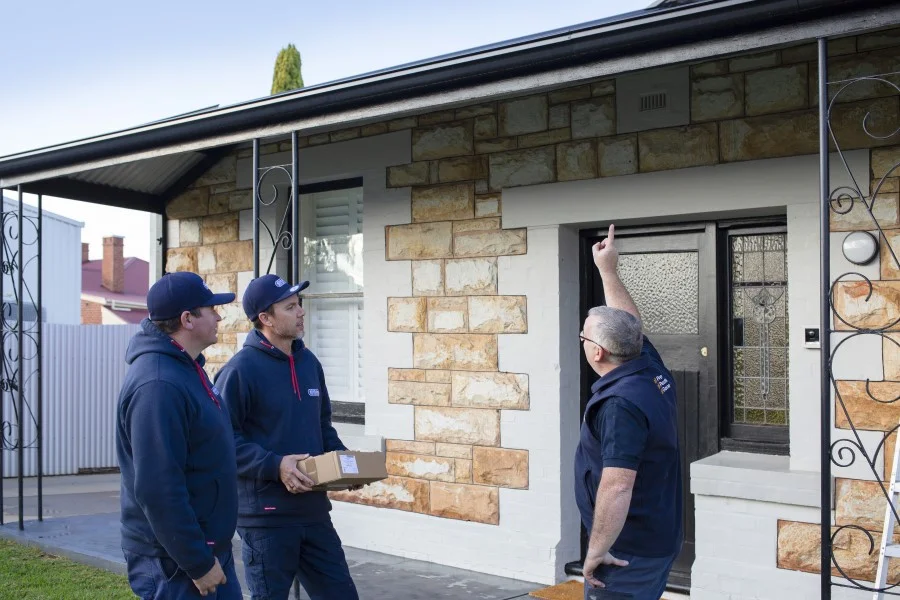
We’re looking forward to providing you with a safe and effective treatment. Please take the following steps before your technician’s arrival and during the treatment.

1

Carry out general housekeeping, clean bench tops and floors, and declutter. This helps us maximise treatment in the targeted areas. Clutter can prevent us from applying treatment in some sections of your premises and dirt can reduce the effectiveness of the treatment.

asset 1@2x
2

Move furniture and objects away from walls where possible. Don’t worry too much about heavy items.

hand holding door knob, white door and wall, with copy space
3

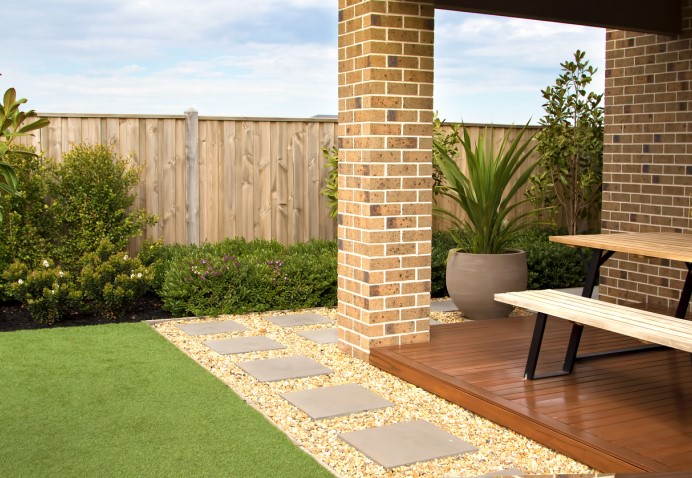
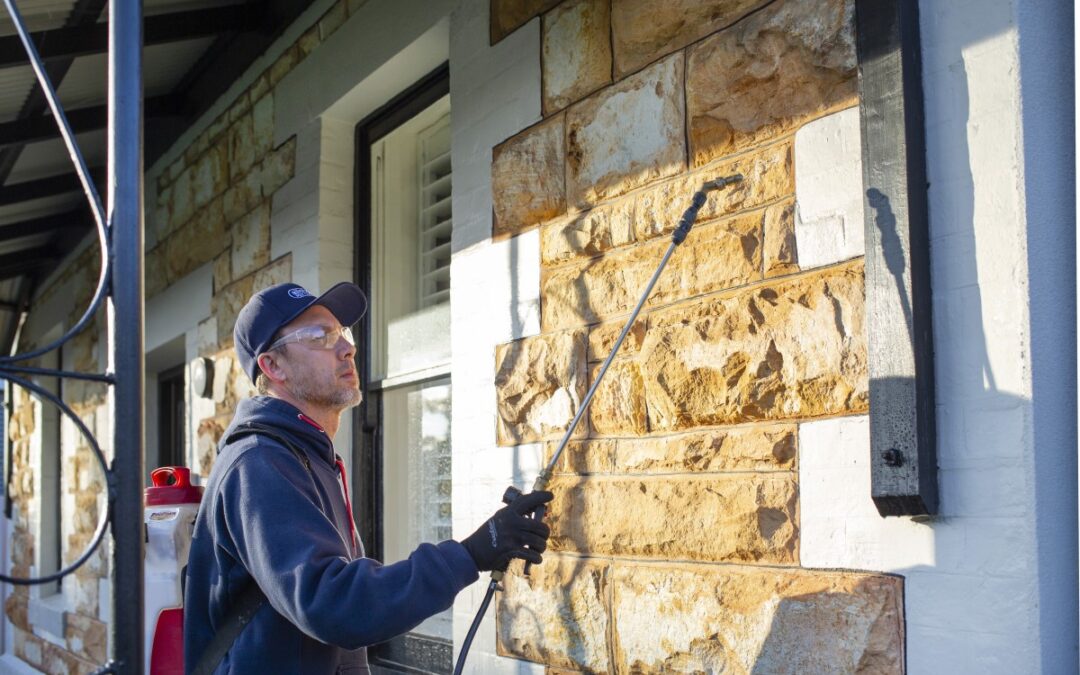
For outdoor spray treatments, move as many items indoors as possible. This includes clothes, shoes, potted and edible plants. For outdoor items that can’t be moved, cover with protective plastic sheets (or similar material).

backyard

During the treatment

1

If you have a fishpond, please advise our technician on arrival. Our products are harmful to aquatic life and we will need to take extra precautions.

pond
2

You and other occupants can stay inside the premises, but far enough away from the area of pesticide application.

Our treatments are not safe for those with respiratory complaints, pregnant women, babies and toddlers. In this situation, we highly recommend evacuating the property for a minimum of 2 hours after treatment is completed.

children
3

Ensure any pets are safely isolated or kept away from the treated areas until they are dry.

pets
4

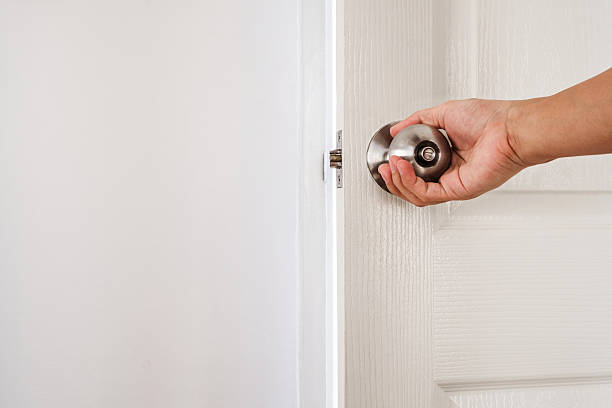
Keep all doors and windows closed until the spray has dried.

hand holding door knob, white door and wall, with copy space
5

If you notice surface runoff from outdoor treatment, it will be completely dry in few hours.

If you notice runoff for treated windows, you can clean them 24 hours after the service.

We’re looking forward to providing you with a safe and effective treatment. Please take the following steps before your technician’s arrival.

1

Carry out general housekeeping, clean bench tops and floors, and declutter. This helps us maximise treatment in the targeted areas. Clutter can prevent us from applying treatment in some sections of your premises and dirt can reduce the effectiveness of the treatment.

asset 1@2x
2

Keep all doors and windows closed until the spray has dried.

hand holding door knob, white door and wall, with copy space
3

For outdoor spray treatments, move as many items indoors as possible. This includes clothes, shoes, potted and edible plants. For outdoor items that can’t be moved, cover with protective plastic sheets (or similar material).

pond

During the treatment

1

If you have a fishpond, please advise our technician on arrival. Our products are harmful to aquatic life and we will need to take extra precautions.

pond
2

You and other occupants can stay inside the premises, but far enough away from the area of pesticide application.

Our treatments are not safe for those with respiratory complaints, pregnant women, babies and toddlers. In this situation, we highly recommend evacuating the property for a minimum of 2 hours after treatment is completed.

children
3

Ensure any pets are safely isolated or kept away from the treated areas until they are dry.

pets
4

Keep all doors and windows closed until the spray has dried.

hand holding door knob, white door and wall, with copy space
5

If you notice surface runoff from outdoor treatment, it will be completely dry in few hours.

If you notice runoff for treated windows, you can clean them 24 hours after the service.

children

Got Questions? Speak with a pest expert now!

or

How Do I Know if I Have Termites in my House?

How Do I Know if I Have Termites in my House?

Welcome to Allstate’s fact-hive, where we answer your buzzing questions about pests.

Noticed strange marks on your skirting boards? Doors harder to close than usual? We’re sorry to break it to you – you might be dealing with termites, and they rarely show up with a welcome sign.

The truth is, by the time most people realise there’s termite activity, the damage is already done. That’s why knowing how to tell if you have termites early can save your home and your wallet.

At Allstate Pest Control, we’ve seen termites quietly eat through timber floors, window frames, and even ceiling beams without anyone noticing. In this section, we’ll break down the real-world warning sign before they take over.

How Do I Know If I Have Termites in My Home?

Termites are hard to spot because they eat wood without destroying it.

Look for tell-tale signs such as winged insects flying around holes in your walls, termite droppings, and dead, hollowed-out trees around your home.

If you see tiny piles of debris (faeces and/or wood shavings) on or near your home, there’s a chance you have a termite infestation. Termites will only distribute their faeces and wood shavings on the edges of their nests or colonies after they’ve feasted on a fresh meal, so you’ll only find them on the borders of the colony.

If you notice these tiny piles of debris, it’s time to call a pest control company.

How Do You Check for Termites?

There are a few ways you can check for termites.

Besides looking for termite damage, where small changes in the structure may be hard to notice, you can also place wood blocks in the ground around your house.

Termites are attracted to moisture, so they will gather around the wooden blocks if they are nearby.

Another option is to use a metal detector to check for termites in the ground.

Or, even better, you can have a professional come in and do an inspection of your property to search for evidence of termites.

How do you tell if termites are in your walls?
If you see mud-coloured stains on your walls, termites might be responsible. If this is the case, you should contact a pest control service to initiate a wall inspection and pest control plan.

Where are termites usually found in a house?
Termites may be found in various places in a house, depending on the species and conditions.

For example, Coptotermes formosanus, the Formosan subterranean termite, is common in wood and paper products, such as furniture and books. These termites may also inhabit plaster and piles of sawdust.

Cryptotermes brevis, the drywood termite, is usually found in dark, dry locations like furniture and clothing.

Some species of termites inhabit and infest many parts of a home and property. M. perniciosus, the most common species in Australia, may be found in the walls, behind wallpaper and in the roof.

What Are Early Signs of Termites?

A small black streak on the siding or beams of a building is an early sign that termites are there.

Termites are not restricted to travelling in straight lines, so they can also be found in woodwork, around mouldings, around windows, and in the soil at the base of the building.

Because termites are a type of ant that eat wood for food, small holes in wood are also a tell-tale sign of a termite infestation.

When should you suspect termites?
If something that was made out of wood starts to crumble, you should suspect termites. This means that the termites are already present and eating the wood.

Another sign of termites is if the home starts to smell like musty soil. This happens because the termites are leaving droppings and faecal stains.

What Can Be Mistaken for Termites?

Many different insects can be mistaken for termites, so it is crucial to identify the insect before starting a treatment.

One of the most common things that people mistake for termites are ants.

Contrary to what people think, ants do not eat wood. Some species, like carpenter ants, may damage wood, but not to the same extent as termites.

On the other hand, Termites have a voracious appetite for the moist cellulose in wood and will cause significantly more damage in a shorter time.

How do you tell if a bug is a termite?
Many breeds or types of termites can be identified by their size, appearance, and behaviour.

One of the most common ways to diagnose a termite is the “track test,” where a small amount of a diluted substance composed of a natural oil or peanut butter is spread on a cardboard surface.

Termite tracks will appear on the surface of the card. These tracks will have a recessed appearance and be between one and two millimetres in length and resemble a pencil line.

Termites are brown, soft-bodied, six-legged, social insects. Subterranean termites are most often recognised by the mound of mud they build in the open. This mound houses the queen, king, and thousands of termite offspring.

The easiest way to tell if a bug is a termite is by looking at the abdomen.

Although the legs on termites vary between species, two will always protrude from the thorax and four from the abdomen. If the bug appears only to have two segments (the head and abdomen), it is likely a termite. If the bug has three clear parts (the head, thorax, and abdomen), it’s probably an ant.

Are white ants the same as termites?
Many people use the term “white ants” to describe an insect they have seen in the home due to its light colour, size, and shape.

But these “white ants” are termites.

Termites and ants belong to different species but can have similar appearances. Generally, ants are darker in colour, so it may be a termite if you see a “white ant” or light coloured ant.

How can I tell if I have termites or ants?
You can distinguish a termite from an ant by looking closely at its appearance.

Termites may look larger than ants due to their thicker waist. Ants are a darker brownish colour, while termites are lighter in colour. There is also a contrast between each insect’s antenna, where ants have an elbow-shaped antenna and termites have a straight antenna.

One of the quickest and easiest ways to find out what type of bug is damaging your home is by inspecting the frass (or droppings). Carpenter ants frass looks like wood shavings and may vary in size and shape, while termite frass is oval-shaped and uniform.

What Are the Signs of Termite Infestations?

Signs of termite infestation generally include wood hollowed out, termite mounds, termites inside, or termites on wood around the home.

One obvious sign of termite damage is visible tunnels on the surface of the wood, most often near the ground.

Termites will also create an oily, washed-out looking stain around the entrance to the tunnels.

How do I know if I have old or new termite damage?
It can be confusing trying to identify whether your home’s termite damage is old or new.

The damage that occurs with a new infestation will happen under or near the surface of the wood and will be more uniform in distribution. With an old infestation, the attacks will occur along the surface and be more random and patchy.

The one thing that signifies that it is new termite damage is if the wood is damp but hollowed out, as these pests are attracted to moisture.

What Are the Signs of Termites in Wood?

Termites always leave a lot of droppings, which may be present around wood in the home, both inside and outside.

The oval droppings are uniform in size and variable in colour, will be localised in one area, as the only time termites leave droppings is when they are eating from something. Termites damage more than just structures. They can also eat furniture, picture frames, and landscaping elements.

You can see whether termites are consuming wood by looking beneath wood you suspect may be affected. You can use a flashlight or a penlight to see if the wood is hollowed out or if termites are currently present in that small location.

How Do You Kill Termites?

For starters, you need to determine if you have termites or a different type of pest. If you aren’t sure, a professional pest control technician can identify your problem pest.

It can be tempting to DIY your termite control, but you should always consider a professional pest controller. In many cases, DIY treatments may appear to be working, only for you to discover thousands of dollars in damage later.

How do you prevent termites?
While we don’t recommend DIY treatment methods, some prevention strategies can reduce your risk of needing costly extermination.

Some prevention methods include removing unnecessary landscaping wood and woodpiles, promptly fixing water leaks, and annual termite inspections.

Our expert termite protection team is ready to help you now

or

Frequently Asked Questions

How do you know if a house has had termites?

You’ll usually find pest signs in places people forget to check. Skirting boards that crumble at the touch. Window frames patched with fillers. Uneven paint bubbles on internal walls. Older termite damage can also show as sagging floors or hollow-sounding wall cavities. If you’re inspecting a property, tap wooden surfaces and check for soft spots—especially near damp zones like laundries.

What time of year are termites most active?

In South Australia, termite activity ramps up during spring and early summer. That’s when flying termites (termite swarmers) emerge to start new colonies. But subterranean termites stay active all year, underground especially, near garden beds, tree stumps or exposed terrain. So even in winter, activity inside walls can still go unnoticed unless you know what to look for.

Does your house smell if you have termites?

Yes. Termites release a damp, musty smell that can be confused with mould or mildew. It’s caused by the combination of termite droppings, decaying wood, and the earthy materials they bring inside – like mud tubes. If your home suddenly smells musty with no clear cause, it’s worth inspecting high-risk zones like ceiling beams and electrical fittings.

Can flying termites mean you already have a termite nest inside?

They sure can. Flying termites – often confused with flying ants – are a red flag. They’re sent out from established termite colonies to form new ones. If you see them inside your home, the parent colony might already be in your walls or under your floors. Check for mud trails, discarded wings near windows, or tiny pinholes in skirting boards and window frames.

When should I worry about termites?

The moment you spot warning signs like mud tubes, hollow wood, or sagging floors, it’s time to act. Even minor indicators like stuck doors or bubbling paint can suggest serious internal damage from worker termites. Early detection can prevent thousands in structural repairs and avoid termite attack spreading further inside your home.

We are always here to help you stay protected against tiny intruders into your home or business. For more facts or help with a pest problem, you can chat to us by clicking the or by calling 08 8371 1277.