





prevention-icon

Termites

prevention-icon

Ants

prevention-icon

Cockroaches

prevention-icon

Spiders

prevention-icon

Birds

prevention-icon

Bed Bugs

prevention-icon

Bees & Wasps

prevention-icon

Rats & Mice

prevention-icon

Possums

prevention-icon

Biting Insects

prevention-icon

Disinfection Services

Termite Barrier Cost: A Comprehensive Guide

Termite Barrier Cost: A Comprehensive Guide

Termite barriers are an essential measure for protecting homes in Australia, where termite infestations are both common and potentially devastating. The damage caused by termites can lead to repair costs amounting to tens of thousands of dollars. 

According to CSIRO, termite damage in Australia can exceed $10,000 per property, underscoring the importance of preventive measures. By investing in high-quality termite barriers, homeowners can ensure long-term safety, cost savings, and peace of mind. This comprehensive guide provides an in-depth look at termite barrier types, their costs, influencing factors, and the long-term benefits of termite protection.

What Does Termite Barrier Cost Look Like?

Understanding the cost of termite barriers involves recognising the factors contributing to the overall expense. According to Pest Control Australia, the average termite barrier cost in Australia typically ranges from $1,500 to $5,000, but this can vary based on barrier type, property size, and specific location.

Cost Variations by Type of Barrier

Chemical Barriers:

  • Typical Cost: $30 to $40 per linear metre. These costs are standard for chemical treatments.
  • Total Cost Range: Usually $1,800 to $3,500 for a typical property according to Australian Environmental Pest Managers Association.
  • Reapplication Requirement: Every 5 to 8 years, depending on conditions and product quality based on Termite Control Solutions.
  • Effectiveness: Creates a chemical-treated zone in the soil to deter termites from approaching the foundation.

Physical Barriers:

  • Cost Range: Between $2,000 and $4,000 for standard residential properties, according to HomeGuard Termite Protection..
  • Types: Stainless steel mesh, concrete barriers, and crushed granite.
  • Durability: Offers a long-term, non-chemical solution that can last as long as the building itself if properly installed.

Key Cost-Influencing Factors

  • Installation Fees: Professional expertise can add $500 to $1,000 or more, depending on complexity.
  • Material Quality: Premium materials can increase expenses but provide better durability and effectiveness.
  • Property Size: Larger homes need more extensive treatments, increasing both material and labour costs.
  • Cost per Metre: Calculated based on the property’s perimeter and areas requiring protection.

Types of Termite Barrier System

There are two main categories of termite barrier systems: chemical and physical. Each offers unique advantages and considerations, depending on property needs and environmental concerns.

Chemical Barriers

Chemical barriers use termiticides to create a treated zone around the property. These solutions are designed to either repel or kill termites upon contact. effective treatments.

  • Installation Process: A trench is dug around the property, filled with termiticide, and covered back up. This process requires professional handling to ensure effective application.
  • Duration of Protection: 5 to 8 years, after which reapplication is recommended.
  • Pros: Provides immediate deterrence and can be integrated with other pest control measures.
  • Cons: Needs regular maintenance and may involve chemicals that some homeowners prefer to avoid.

Physical Barriers

Physical barriers prevent termites from accessing the structure by creating an impenetrable layer. 

  • Termite Mesh: A fine, stainless steel mesh that acts as a shield around vulnerable areas of a building.
  • Concrete Barriers: Often incorporated during the construction phase to create an unbreakable seal.
  • Crushed Granite or Sand Barriers: Designed to prevent termites from tunneling through.
  • Advantages: Chemical-free, long-lasting, and eco-friendly.
  • Drawbacks: Higher initial cost compared to some chemical treatments.

Factors Influencing Termite Barrier Costs

So what does the cost of termite barrier treatments look like? Several variables influence the cost of installing termite barriers, making it important for homeowners to understand these elements when budgeting for termite protection.

  • Property Size: Larger properties require more termiticide or more extensive physical barrier coverage. 
  • Type of Barrier: Physical barriers often have higher upfront costs but require minimal maintenance.
  • Property Location:
    • Urban Areas: Typically have higher service charges due to greater demand and higher operational costs.
    • Suburban Areas: Costs can vary based on service availability and competition among pest control providers.
    • Rural Areas: While initial prices may be lower, fewer providers might mean less choice and potential additional travel fees for technicians.
  • Soil and Site Conditions: Properties with rocky or uneven terrain may require additional preparation, increasing labour and material costs.
  • Wet or Clay-Heavy Soils: May also affect the type of chemical treatment applied, impacting the overall price.

Eco-Friendly and Safe Barrier Options

For environmentally conscious homeowners, choosing eco-friendly termite barrier solutions is an excellent way to maintain safety while protecting the property.

  • Non-Toxic Chemical Solutions: Derived from naturally sourced ingredients that provide termite deterrence without harming pets, children, or beneficial insects.
  • Physical Barriers: Mesh systems and concrete provide long-lasting, chemical-free solutions (Australian Environment Protection Authority).
  • Integrated Pest Management (IPM): Combines physical barriers with eco-friendly treatments to create a robust, sustainable defence system.

      Long-Term Benefits of Installing Termite Barriers

      Investing in termite barriers provides extensive benefits that extend beyond immediate termite prevention:

      • Property Protection: Prevents structural damage, preserving the value and integrity of the home.
      • Long-Term Cost Savings: Reduces the likelihood of significant repair expenses, which can range from $10,000 to $50,000 or more in severe cases.
      • Increased Home Equity: Homes with documented termite protection measures are more attractive to buyers and may command a higher sale price.
      • Preventive Care: Regular maintenance and inspections ensure the barrier remains effective, offering continual peace of mind.

          Cost Examples by Region (Urban, Suburban, Rural)

          Termite barrier costs in Australia can differ significantly based on location:

          • Urban Areas (e.g., Sydney, Melbourne):
            • Typical cost for chemical barriers: $3,000 to $5,000 as per Sydney Pest Management Reports.
            • Physical barriers: $3,500 to $7,000, reflecting higher labour rates and material transport costs.
          • Suburban Areas:
            • Chemical treatments generally range from $2,500 to $4,000.
            • Physical barriers average around $3,000 to $5,000.
          • Rural Areas:
            • Lower starting prices, often between $1,500 and $3,500, but may incur extra fees for travel and limited availability of services.

          Don’t delay your termite inspection, speak to our expert team

          or

          Conclusion

          Choosing the right termite barrier is essential for safeguarding your property and ensuring long-term cost-effectiveness. We at Allstate Pest Control offer guidance, comprehensive inspections, and eco-friendly termite protection tailored to your needs. Protect your investment and gain peace of mind—contact Allstate Pest today for a personalised quote or a detailed property inspection.

          Frequently Asked Questions

          What is the average cost of a termite barrier?

          The typical cost ranges from $1,500 to $5,000, depending on barrier type and property specifics.

          How do I choose the best termite barrier for my home?

          Assess factors like property size, budget, and environmental concerns. Consulting with experts like Allstate Pest Control can help identify the most suitable option.

          Are termite barriers safe for pets and children?

          Yes, especially eco-friendly barriers and non-toxic chemical treatments that ensure safety for all household members.

          How often should chemical termite barriers be reapplied?

          Generally, every 5 to 8 years, but conditions and products may extend or shorten this timeframe.

          Can installing a termite barrier increase my home’s value?

          Yes, termite protection adds significant value by assuring potential buyers that the property is safeguarded against termites.

          Is there a notable difference in termite barrier costs between urban and rural areas?

          Yes, urban properties often face higher service charges, while rural homes may have more competitive rates but less provider choice.
          How to prevent birds from nesting in your roof

          How to prevent birds from nesting in your roof

          With the winter chill setting in, the last thing you need to worry about is a flock of pest birds sheltering in your roof. They’re messy, noisy and cause damage to your building.

          Continue reading to find out how you can stay free of pest birds this winter season.

          What questions will this article answer?

          Why are pest birds attracted to my home in winter?

          Well adapted to survive the harsh winter elements, pest birds such as pigeons, sparrows, starlings and mynas can thrive in homes and businesses across Adelaide.

          Similar to people, pest birds are drawn to the warmth and shelter that your home provides when the mercury drops.

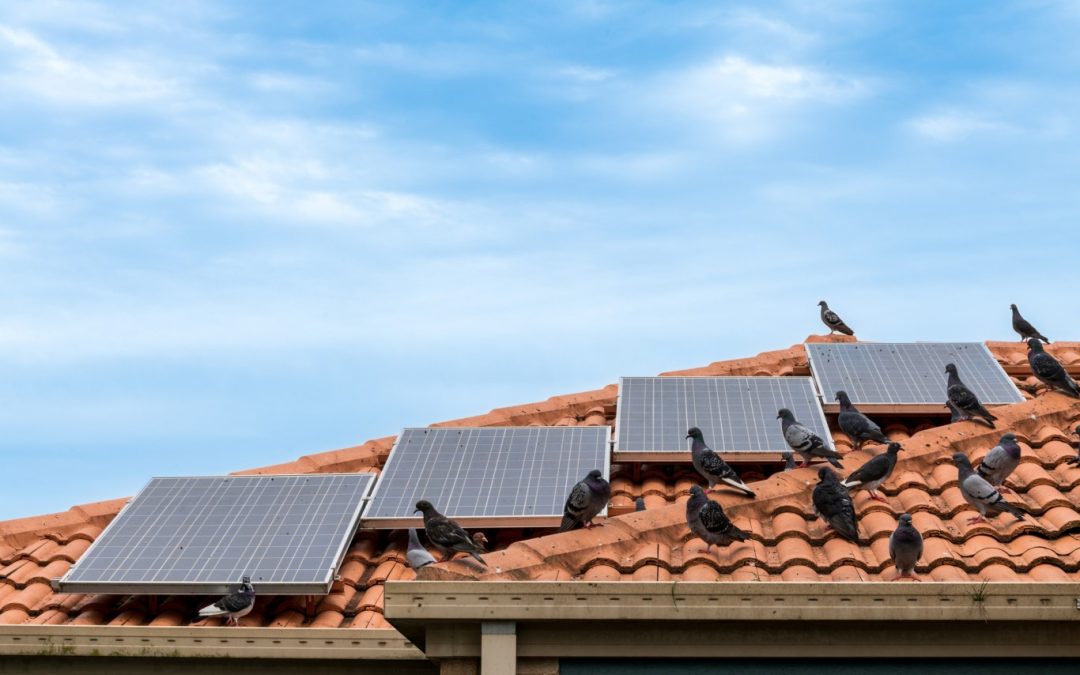
          With the ability to squeeze through tiny gaps between loose roof tiles, they make their way inside your roof space, roof ventilators, attics and walls to build nests, lay eggs and raise their young. Another popular cosy nesting spot is underneath solar panels.

          If you’ve got food and water sources available, this makes your home even more appealing for pest birds, who survive by scavenging a wide range of food. From small insects to diving in rubbish bins to food scraps left on the ground, they are definitely not fussy eaters!

          How to spot a pest bird outbreak

          If you’re wondering whether or not you have some bird visitors or a full-blown pest bird outbreak, here’s some signs to look for:

          Large numbers of pest birds around your home

          You may find them perching and roosting on your roof, chimney, verandah, balcony, antennae, window panels, solar panels, gutters or wooden support beams.

          Persistent chirping noises

          Birds, and especially chicks, chirp to communicate with each other.

          Bird droppings

          An accumulation of messy brown, black or white droppings on the ground is a clear sign of a pest bird outbreak.

          Nesting material

          Pest birds are clever at crafting sturdy nests from various foraged scraps, such as twigs, leaves, straw, pine needles and grass. So look out for nests underneath solar panels, inside your roof, or even tucked between some wooden beams.

          Control pest birds fast. Speak to an expert today.

          or

          Problems caused by a pest bird outbreak

          There are many problems that a pest bird outbreak can cause in your home or business:

          • Constant chirping sounds can be distracting and disruptive
          • Pest bird droppings are an eyesore and contain corrosive compounds that can damage your roof, buildings, air conditioning unit, solar panels and outdoor furniture
          • Sticky and slippery bird droppings are a health and safety hazard for stairs, fire escapes and footpaths
          • They can carry and spread germs and diseases such as ornithosis (Bird Fancier’s Lung), cryptococcosis, salmonella, E-coli bacteria, histoplasmosis and aspergillosis
          • Pest birds carry parasites such as bird mites, bed bugs and ticks, which can trigger secondary pest outbreaks and allergiess
          • Birds can contaminate food and water contamination through droppings, nesting material and feathers
          • The accumulation of feathers and nesting material in your gutters and drains can cause water blockage, leaks and overflow
          • Pecking and fouling in your garden can ruin your plants, fruit trees and veggie patch and leave a mess behind
          • Pest birds can be aggressive and breed fast, so if you notice fewer native birds in your yard, chances are that pest birds have taken over the space as their territory

          5 ways you can prevent pest birds this winter

          We recommend the following tips to help protect your home or business from a pest bird outbreak:

          Tip 1: Remove all sources of food and water

          Pest birds are expert scavengers and have a wide and varied diet which can include common things you would find in an average suburban backyard. This includes flowers, fruit, vegetables, and insects. Pet food and water bowls, as well as food scraps in compost piles and rubbish bins are also a popular choice.

          While bird feeders and bird baths can attract native birds, they’re also likely to capture the interest of pest birds. Where possible, we recommend having less available food and water and keeping compost and waste tightly sealed and covered.

          Tip 2: Regularly inspect your home for access points and proof them

          Pest birds range in size and have the ability to squeeze into small spaces to enter your home. So, it’s best to check your roof for gaps between loose tiles, uncovered vents and other small openings and either seal them off or cover them with a fine mesh. Overhanging branches and vegetation can also encourage birds to nest close to the building.

          Tip 3: Locate and remove nesting material

          As territorial creatures by nature, pest birds carefully choose places to nest, roost and breed. Besides harbouring different types of parasites, germs and diseases, nests also provide a safe place to lay and incubate eggs, which attracts more birds and worsens an outbreak.

          Regular yard maintenance and keeping your garden tidy and relatively free of small loose twigs and leaves can also help reduce the availability of nesting material.

          Tip 4: Clean and disinfect the affected area

          Not only do pest birds make a mess with feathers, germ-infested nesting material, debris and droppings, they also leave behind pheromones, which attracts other birds. That’s why it’s always important to clean up the mess from any pest bird infestation.

          Allstate offers professional cleaning and property maintenance services to refresh, rejuvenate and sterilise the mess from pest birds. Our services include gutter, roof void and water tank cleaning or pressure washing to keep your property looking sparkling clean and pest-free.

          Tip 5: Solar panel cleaning and proofing

          With the rise in solar panel installations, pest birds have had increasingly more options for safe and comfortable nesting spots on roofs all around Adelaide.

          Unfortunately, they are also responsible for causing messy stains and damage to expensive solar panels, resulting in the loss of efficiency.

          You can avoid pricey repair bills with Allstate’s solar panel cleaning and proofing service.

          After managing the pest bird problem, we conduct a thorough clean of the area and then install a UV coated mesh skirting to the sides of your panels. This hard-wearing mesh prevents birds from nesting underneath your panels, enabling them to function at their best.

          Protect your home from pest birds today

          or

          Professional pest bird management

          At Allstate, we provide a range of innovative and humane pest bird management methods Depending on the extent of the outbreak, we may use a combination of approaches to ensure that the root cause of the problem is fixed as quickly as possible.

          These include:

          • Installing roosting deterrents such as bird spikes, netting, wire, jolt
          • Physical control measures such as trapping
          • OvoControl – an RSPCA approved and AI-powered modern long-term bird control solution

          To learn more about a tailored bird control program for your home or business, contact Allstate for a comprehensive pest bird assessment today.

          For safe and fast pest bird control, choose Allstate

          Having a pest bird infestation is a noisy and messy distraction, and the last thing you need to deal with in the cold winter weather!

          At Allstate, we understand pest bird behaviour so that we can manage all infestations from their source, and use a range of innovative and modern treatments to help prevent the problem from returning.

          Since 1986, we’ve assisted homes and businesses across all suburbs of Adelaide with pest bird outbreaks of all sizes in commercial, residential and industrial settings.

          Available 24/7 for advice and solutions, we offer payment plans to help keep you and your family protected from pest birds for good.

          Our expert team is ready to help you now

          or

          Your Guide To Winter Pests

          Your Guide To Winter Pests

          So, pests aren’t usually a problem in winter, right? Unfortunately not. Just like people, pests such as rodents, spiders, ants, cockroaches, and silverfish look for warm places to nest and hibernate. Continue reading to learn more about how to avoid these frustrating winter pests.

          What questions will this article answer?

          Why pests are a problem in winter

          As the mercury plummets, the cold weather makes your home a warm and safe place to shelter from the harsh elements. With the ability to squeeze through tiny access points inside your home, pests such as rodents, spiders, ants, silverfish and cockroaches can find hiding spots to nest and breed. Before you know it, you could have an outbreak on your hands, unless you act fast!

          Rodents

          Rodent plagues have been dreaded for centuries, and these clever pests are famous for spreading diseases and contaminating clean places by carrying germs in their fur and droppings. With constantly growing teeth, they’ll happily chew through almost anything that they encounter, from electrical cables to walls, while raiding your kitchen pantry as you sleep!

          Signs of a rodent infestation

          • You notice them running around, especially after dark
          • Dark brown to black droppings shaped like rice grains
          • Scurrying, scratching and squeaking sounds above your ceiling at night
          • A musty odour
          • Partially eaten food and crumbs scattered around the floor
          • Gnaw marks on walls, doors, timber, pipes, furniture and cables

          Rodent treatment

          We use physical rodent traps of different sizes, with larger ones for rats and smaller ones for mice, as well as rodenticide-laced baits for long-lasting rodent management.

          For fast rodent control, speak to an expert today

          or

          Spiders

          Often found hiding in less frequented areas, spiders weave sticky cobwebs which are both messy and unhygienic, making housekeeping a hassle. Although most are harmless, some suburban spider species such as redback and funnel web spiders have venomous bites that you’ll definitely want to avoid.

          How to spot a spider problem

          • You’re seeing more spiders crawling around than usual
          • There are spider webs visible on the ceilings, walls, and corners of rooms
          • You spot spider burrows in your yard; underneath soil or leaf or compost piles
          • You notice rounded egg sacs wrapped in webbing

          Spider management

          We use targeted insecticide spray and control dust sprinkled into gaps and crevices to treat spider problems quickly and effectively.

          Ants

          Though they are more commonly seen marching in summer, ants will seek shelter in warm places such as your home to hibernate in winter. From your benchtops to your rubbish bins and toilets, ants can spread disease and contaminate food and surfaces around your home when foraging for food. They’re also known for painful bites which can trigger allergies in both pets and people alike.

          Spotting an ant infestation

          • You see many ants marching along well-defined trails
          • Look for mounds of raised dirt and soil with an entry point to an underground ant nest in your yard
          • Carpenter ants can tunnel through wooden structures, leaving signs of damage such as holes as well as discarded wood shavings on the floor
          • Fire ants cause damage to plants in your garden

          Ant control

          At Allstate, we apply ant insecticide spray and ant control dust to affected areas, as well as chemical baits for long-term treatment.

          Cockroaches

          Small, fast and highly adaptable to their environment ,cockroaches scavenge for food in both clean and unsanitary places, making them masters at spreading nasty germs and diseases. They’re known to cause illnesses such as gastroenteritis, diarrhoea, cholera and dysentery.

          Telltale signs of a cockroach outbreak

          • You’re noticing more cockroaches scurrying around
          • Black granular droppings
          • Black-brown egg capsules
          • Moulted skins

          Cockroach treatment

          At Allstate, we use a combination of cockroach insecticide, gel baits and control dust, depending on the severity of your outbreak, to make sure the problem is treated as quickly as possible.

          Protect your home from cockroaches. Speak to an expert today.

          or

          Silverfish

          With a diet that consists of starchy or saccharide-rich household items, silverfish are the worst houseguests you could have. From grains and cereals in your pantry to fabric items, paper, timber and upholstered furniture, silverfish can live up to six years by simply surviving on your precious belongings

          Signs of a silverfish infestation

          • You spot silverfish around your home, particularly at night
          • You notice holes and damage to your clothes, furniture, haberdashery and paper-based products
          • Dark, round, peppercorn-like droppings
          • Moulted skins

          Silverfish control

          Our pest technicians will use pesticide sprays and fumigation for severe outbreaks , and apply control dust in hard to reach spaces such as wall cavities to effectively manage a silverfish problem.

          DIY tips for preventing pest outbreaks this winter

          Avoiding the nuisance of a pest outbreak when the mercury drops doesn’t have to be hard. We recommend taking the following simple steps to keep the pests out, and the heat inside this winter:

          • Reduce available food sources and hiding spots
          • Remove unnecessary clutter such as boxes, stacks of paper and laundry
          • Conduct regular yard maintenance by keeping plants well-trimmed and away from your house. Dispose of fallen fruit and remove pet waste and piles of organic matter
          • Keep food tightly stored away including pet food and water bowls
          • Keep the kitchen clean by wiping away spills, grease and food crumbs. Disinfect surfaces and clear sinks
          • Keep bins and rubbish tightly sealed with well-fitting lids
          • Inspect your home for potential entry points and seal them over with gap filler, waterproof sealants, caulk or expanding foam
          • Cover rainwater tanks and floor vents, install a chimney grate or cap
          • Repair leaking taps, pipes and drains as moisture attracts pests such as cockroaches
          • Diatomaceous earth is silica-based naturally occurring powder; sprinkled around the perimeter of your home, it is effective at physically deterring insects and spiders from entering

          For effective winter pest control, choose Allstate

          As pests can be a nuisance all year round, there’s sometimes no way to escape an outbreak, even in the depths of winter. However, Allstate is always here to help, no matter the season.

          Since 1986, we’ve grown to become one of Adelaide’s largest locally-operated pest control providers.

          Available 24/7 for urgent advice, we offer comprehensive pest assessments and innovative solutions for infestations of all sizes in commercial, residential and industrial settings. All our services are covered by competitive warranties and don’t forget to ask us about finance options.

          With an emphasis on using treatments that are non-toxic to children, pets and the environment, we’ll safeguard your home from pests throughout winter and beyond.

          Our expert team is ready to help you now.

          or

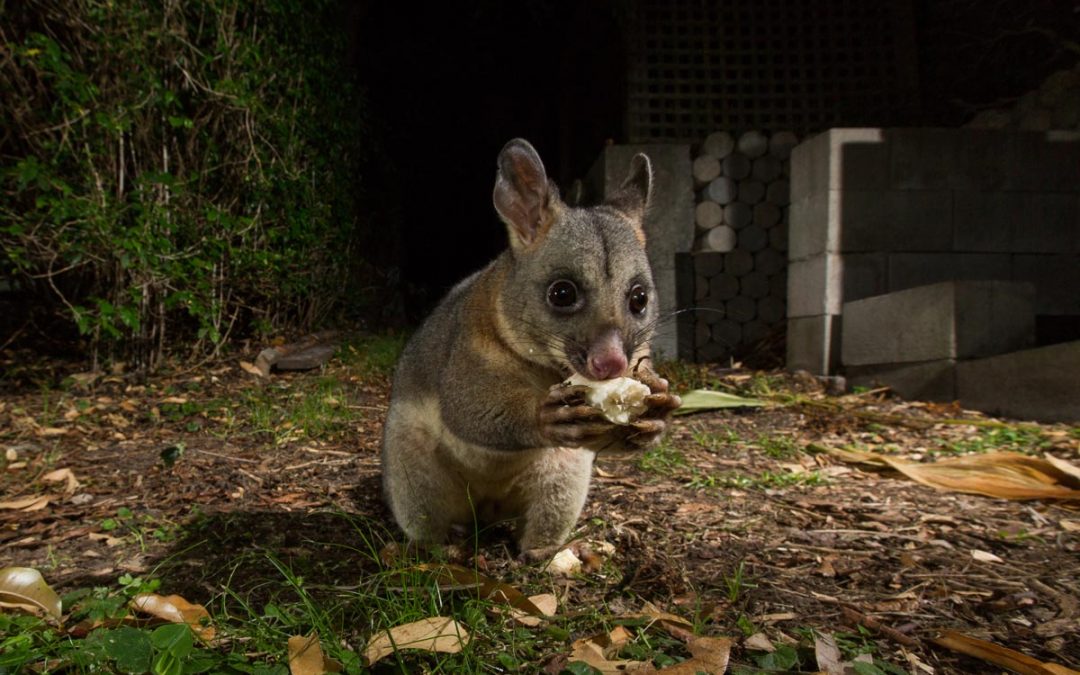
          ARE THE NOISES IN YOUR ROOF POSSUMS OR RODENTS?

          ARE THE NOISES IN YOUR ROOF POSSUMS OR RODENTS?

          ARE THE NOISES IN YOUR ROOF POSSUMS
          OR RODENTS?

          Are you hearing noises in your roof at night? Chances are, it’s either pesky possums or rodents.

          You might never get a chance to see them, but they can make a mess around your home, damage your property and spread germs everywhere.

          Avoid losing sleep every night from uninvited guests in your roof by reading through our guide on how to tell whether it’s possums or rodents (or both!).

          What questions will this article answer?

          Why are there possums and rodents in the roof?

          Possums and rodents will enter your roof space as they look for a place to shelter and nest. This can happen all year round, but particularly in winter for rodents, to escape the cold weather

          In built up metropolitan areas, there are less trees, so this means that there is more competition for possums for important resources such as food and physical protection, making your roof space a very appealing option.

          With rats able to squeeze through tiny openings, and both possums and rats having sensitive noses that can sniff out food sources in your kitchen, it’s often quite easy for them to find their way inside to make a mess and cause a nuisance.

          Problems caused by possums and rodents

          As nocturnal creatures, possums and rodents are more active just as you and your family are winding down to sleep. Besides being a noisy distraction, they can make a mess around your home or business as they look for food, leaving crumbs and damaged packaging behind.

          With their unhygienic scavenging behaviour, possums and rodents can pick up a range of germs and bacteria in their furry coats and spread these around your home, leading to contamination and putting you and your family at risk of falling ill.

          They have sharp teeth which can chew or gnaw at your property and belongings, causing expensive damage. At worst, they can chew through insulation and electrical wiring and fixtures, leading to electricity disruption, shock or even a fire hazard.

          To make things worse for businesses, having a possum or rodent outbreak can even result in health and safety breaches. This can affect your reputation and turn away clients and customers.

          Manage possums and rodents fast. Speak to an expert today.

          or

          How to tell the difference between possums and rodents in your roof

          Without climbing up to the roof to take a look, it can be tricky to know if you’ve got possums or rodents running around inside your roof. Here are some ways to help you discover which pest is keeping you awake at night:

          Noises

          Possums usually make hissing, screeching and coughing noises. They may even squeal when they are fighting or mating. Rodents will sound squeakier and more high pitched.

          Movement

          Since possums are larger and heavier than rodents, they will make louder thudding or even banging sounds as they move around, compared to rodents, which are smaller and lighter, and make scampering or scurrying noises.

          Urine odour

          Possum urine gives off a strong ammonia-like scent, and left in large puddles. Rodent waste leaves a sour, musty smell behind.

          Droppings

          Possum droppings are dark coloured, cylindrical shaped, and longer than 15mm. Rodent droppings are similar shaped, resembling black grains of rice, and are smaller on average. Mouse droppings are usually around 3-5mm long and rat droppings can be 12-18mm long.

          Gnaw marks

          With their continuously growing teeth, rodents are constantly looking for things to chew. You may notice more gnaw marks to walls, electrical cables, pipes and timber structures and various other items with a rodent rather than a possum outbreak.

          Nests

          Rat nests are constructed from various material scraps such as paper, wood, cardboard and fabric offcuts. Possums prefer to build nests made out of bed down, leaves and insulation, or may not need a nest at all.

          How to prevent possum and rodent outbreaks in your roof

          We have some simple suggestions for you to possum and rodent proof your roof

          Yard maintenance

          Reduce access to your home by trimming back overhanging tree branches and foliage that grow near your property. This includes bushes, shrubs and creepers. Remove piles of organic matter.

          Seal off entry points

          Inspect your building for possible access points on a regular basis and proof them off. Repair all dislodged roof tiles. Install barriers, mesh or screens over water tank openings, vents and chimneys. You can also fit seals around doors and windows.

          Repellents

          It’s useful having a pet such as a dog or cat, which possums and rodents consider to be predators. However, you can also install motion-sensitive sprinklers and lights to scare them away. With their sensitivity to strong smells, you can also scatter natural deterrents such as mothballs, garlic, essential oils and cassia chips around your yard and building.

          Remove food sources from your home and yard

          It’s important not to feed the possums and rodents if you want to discourage them from entering your yard. Dispose of potential attractants including pet waste and fallen fruit and vegetables from your yard. Always keep food stored away in sturdy containers. Check that bins, compost and rubbish are tightly sealed and secured. Keep pet food and water bowls indoors or covered properly. If you have outdoor dining areas, make sure that they are clean and there are no food scraps or spills.

          Regularly inspect and clean less frequented areas

          Rodents are clever at finding places to hide away, nest and breed, and it’s usually in places that are not used often, such as sheds, basements and garages. Reduce unwanted items and clutter if possible.

          Professional possum and rodent removal from your roof space

          At Allstate, we understand how confusing it can be to tell the difference between possums and rodents when it comes to pests in the roof. In fact, it’s possible to have both of them up at the same time, just to add to the chaos!

          That’s why having a professional inspection is the best way to go. At Allstate, our technicians understand the characteristics of rodent and possum behaviour to come up with a government-compliant treatment plan that offers long-lasting protection

          Humane possum removal

          We’ll identify and seal off entry points to your roof and set out a trap to capture all the pesky possums that are nesting in your roof. From here, they’ll be safely moved to their new home, which is a cosy box set up on a nearby tree.

          Possum removal permits

          Getting rid of possums isn’t quite as simple as setting up a DIY trap, as they are considered to be protected wildlife in South Australia

          At Allstate, our technicians have a Trap and Release Permit issued by the Department for Environment and Heritage. This means that we have permission to catch possums and relocate them within a 50 metre radius.

          Rodent prevention

          Similar to possum removal, we resolve rodent outbreaks by proofing off potential access points inside your roof. Our technicians will then install a rodent baiting system around your property

          We use lockable, tamper-proof bait stations which contain a targeted rodenticide. These are safe to be used in the presence of children and pets.

          We will regularly monitor and replenish these bait stations to make sure that the outbreak is managed quickly, but you’ll often need to wait for up to 2 weeks to start noticing a significant reduction.

          Commercial and industrial integrated pest management programs

          At Allstate, we make it easy for busy facility managers to keep all pests away from your business, including possums and rodents. For over 35 years, we have used a proven approach to successfully keep pests out of commercial and industrial facilities of all sizes. You can stay compliant with health and safety standards with our up-to-date pest control technology.

          Contact us today to learn more about our comprehensive integrated pest management programs

          Choose Allstate for effective and long-lasting protection from possums and rodents

          For many of us, hearing possums and rodents causing a racket in your roof can be an unnecessary distraction, especially around bedtime!

          To minimise the disruption to you and your family, our technicians are fully equipped to tackle any possum and rodent outbreaks in all suburbs of Adelaide, for residential, commercial and industrial settings.

          Available 24/7 for urgent callouts, we use modern, humane innovative treatments that are compliant to council regulations and non-toxic to children, pets and the environment.

          We offer a 100% satisfaction guarantee and competitive warranties on all our services, plus payment plans if needed. So, don’t hesitate to reach out for fast and long lasting solutions to any of your possum and rodent problems today.

          Our expert team is ready to help you now

          or

          On the road with Kiki – Episode 50

          On the road with Kiki – Episode 50

           mao0231

          [page_title]

          forktree project tim

          Bird Problems Solved: A Look into Kiki Episode 50

          Happy new year! We’re kicking off 2024 with our first episode of Out on the Road with Kiki. In this series, we follow pest consultant Kristian as he visits home and businesses across Adelaide to assess pest outbreaks. Today is all about pesky birds!

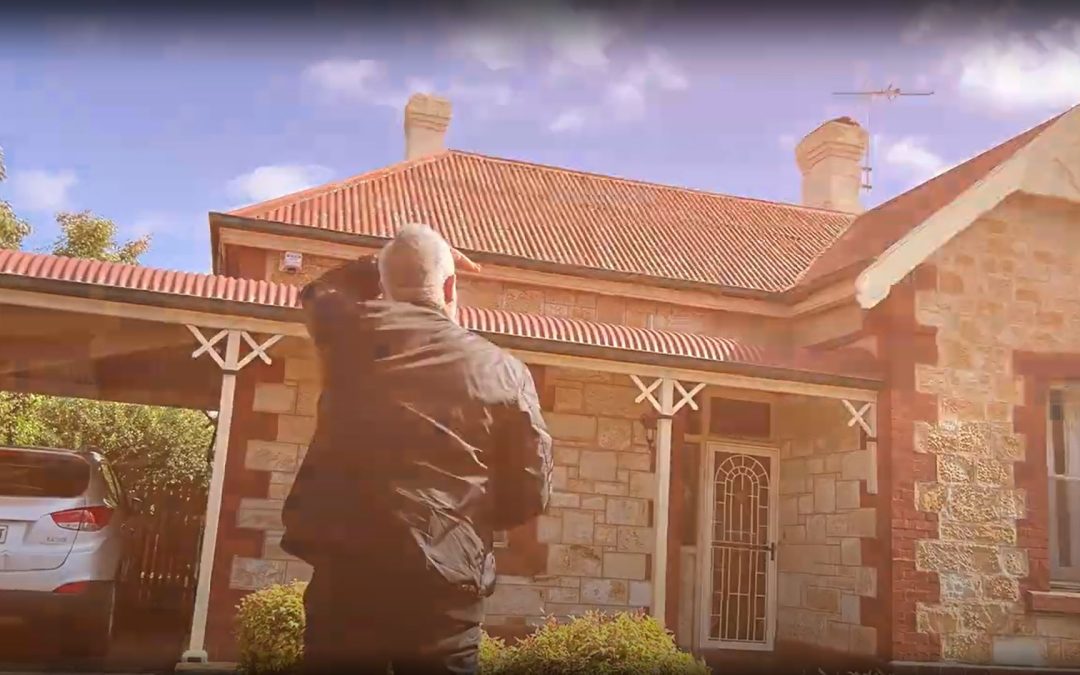
          The first job of the day is in Malvern, where an NBN technician who was doing some work managed to take some photos of pest birds in our client’s roof space. While the client did hear some scratching in the roof, he hadn’t seen any birds himself, so he wasn’t sure of the cause. Kristian climbs up for a look and he discovers that there is a hole in the timber barge board that is allowing rainbow lorikeets inside. He recommends proofing off the entry point and leaves the client with a quote

          Then, it’s off to tackle a pigeon problem at a townhouse. It seems like this is a common issue affecting many properties along the entire street, and the client is currently having some repairs done to their roof as a result. They’ve also got some solar panels which haven’t been proofed off. The property has previously had bird prevention treatment from another pest control company, including having the roof cleaned 3 times since moving in 18 months ago. Due to the height of the building, Kristian has decided to bring another pest technician with him today to make a proper assessment of the situation. After climbing up for a look, it’s pretty clear that there is a major pigeon fouling issue. Besides needing yet another cleanup, Kristian leaves the client with a quote to install proofing and bird spikes, as well as a trapping program to keep the pigeons away once and for all. And that’s it for the first week back!

          Established in 1986, Allstate has since grown to become Adelaide’s largest independent pest control company. Servicing all suburbs and available 24/7, our pest control technicians are highly trained and fully equipped to tackle pest outbreaks of all sizes in residential, commercial and industrial settings. As a family-operated business, we are passionate supporters of growing the local economy, so we welcome working with other businesses in creating a brighter future for our community.

          For reliable and safe pest control, contact Allstate today.

          Choose Allstate for safe, nontoxic treatments to

          protect your home or business from pests today.

          or