





prevention-icon

Termites

prevention-icon

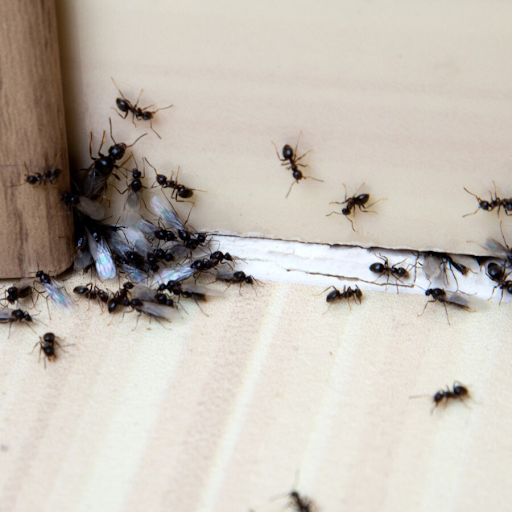
Ants

prevention-icon

Cockroaches

prevention-icon

Spiders

prevention-icon

Birds

prevention-icon

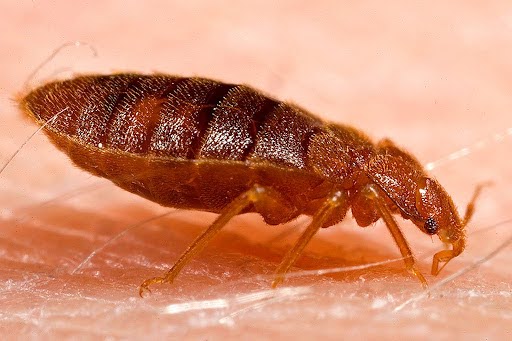
Bed Bugs

prevention-icon

Bees & Wasps

prevention-icon

Rats & Mice

prevention-icon

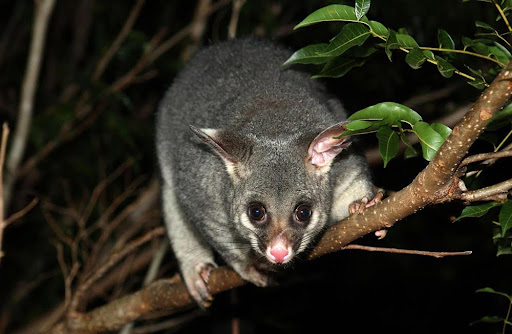
Possums

prevention-icon

Biting Insects

prevention-icon

Disinfection Services

Effective Pest Solutions for Midges in House Problems

Effective Pest Solutions for Midges in House Problems

Homeowners and renters across Adelaide know how frustrating midges can be in house corners. You sit down after a long day, and instead of peace, you’re swatting tiny flying insects that leave itchy bites and disrupt your sleep.

For families in coastal areas or homes with damp spots, biting midges are a nuisance and constant irritation. So, how do you manage midges in the house?

It starts with identifying what attracts them: moisture, light, and organic matter, and then optionally implementing the right pest control steps with the help of a pest control service like Allstate Pest Control.

What Are Midges?

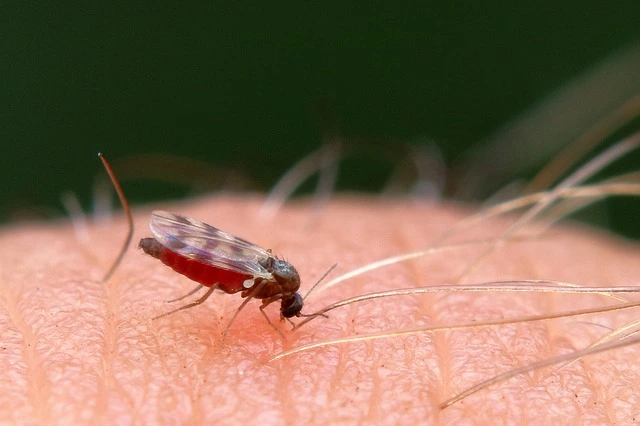
Midges are small flying and biting insects. They belong to the same order as mosquitoes and gnats. But they’re much smaller. Yet, some midge species are known to be far worse than mosquitoes!

However, many species are harmless, feeding on plants and decaying matter. Others, like biting midges, feed on exposed skin and can leave painful, itchy welts.

They’re commonly found around water sources such as wetlands, rivers, and coastal areas.

According to the Government of Western Australia, biting midges are most active at dawn and dusk, particularly in humid weather and calm conditions. While they don’t spread diseases in Australia, their bites can cause discomfort, allergic reactions, and disturbed sleep.

What Attracts Midges in the House?

Midges don’t wander indoors by chance. They’re drawn by several factors:

Moisture is a big one! Damp areas in bathrooms, kitchens, and laundry rooms provide the perfect breeding ground for larvae.

Light is another attractant. Adult midges often swarm around bright indoor lamps, especially at night when windows or doors are left open.

Standing water also plays a role. Buckets, pet bowls, or trays under pot plants can become breeding sites where eggs hatch.

Lastly, organic matter. Food scraps, decaying fruit, or damp soil in potted plants can keep midge activity high indoors.

How to Get Rid of Midges in the House

You don’t have to live with them. Here’s how you can reduce or stop an infestation.

• Start by removing standing water: Empty pet bowls daily and tip out water sources like plant saucers.
• Use fly screens: Properly fitted screens help keep out midges, mosquitoes, and other flying insects.
• Clean on a regular basis: Wipe kitchen benches, take out bins quickly, and avoid leaving fruit exposed.
• Try natural options: Bowls of apple cider vinegar mixed with dish soap can act as simple traps for gnats and midges.
• Set up traps near windows or light sources: These can catch adult midges attracted to brightness.
• Use insecticides carefully: Sprays designed for flying insects can reduce adult populations, but should be applied with care.

And importantly, call a biting insect control professional. At Allstate Pest Control, our insect control service in Adelaide provides personalised solutions, safe treatments, and long-term preventative measures.

Preventing Future Midge Problems

Prevention works better than constant treatment. Here’s how to protect your home and family from future midge problems:

1. Seal entry points around windows, doors, and vents to keep adult midges outside.

2. Maintain outdoor areas. Keep lawns trimmed, remove rotting vegetation, and clear drains of stagnant water.

3. Stick to regular cleaning indoors. Wash bins often, wipe spills quickly, and check pot plants for damp soil.

Simple preventative measures like these cut down breeding opportunities and reduce the chance of large numbers settling in your home.

Why Choose Allstate Pest Control for Midge Infestations in Adelaide?

We know midges. With decades of local experience, we understand South Australia’s climate, pests, and problem spots better than anyone else.

Our services cover all biting insects, from mosquitoes to gnats and bees & wasps, ensuring your home or business is protected year-round. We also use eco-friendly options where possible; they are designed to protect humans, pets, and the environment.

Most importantly, we also help identify breeding grounds, reduce future risks, and give you back peace of mind.

Frequently Asked Questions

What attracts midges to my house?

Midges are mainly drawn to light, moisture, and organic matter. In Adelaide, they often gather around bathroom drains, damp laundry areas, or pot plant soil. Biting midges breed in wet sand, mud, or decaying vegetation, making homes near coastal areas or wetlands more vulnerable. Even a bowl of fruit left out overnight can attract large numbers of insects indoors.

How can I prevent midges from coming into my house?

Installing fine mesh fly screens with gaps smaller than 1mm can physically block midges, as their bodies are tiny (often less than 3mm). Regularly emptying water sources like pot plant saucers or pet bowls is crucial, since eggs and larvae develop in damp environments. Cleaning bins with boiling water and sealing food reduces breeding opportunities inside.

Are midge bites harmful?

Biting midges don’t transmit diseases in Australia, but their bites can be extremely irritating. The saliva they inject causes an allergic reaction in most people, leading to itchy red welts that may last for days. For those with allergies, scratching can break the skin and increase the risk of secondary infection.

Take Back Your Home from Midges

Dealing with midges is not only frustrating. It disrupts sleep, comfort, and everyday living. You don’t need to put up with them.

If you’ve noticed biting midges in house corners, or swarms of tiny flies near lights, it’s time to act. Call Allstate Pest Control today on (08) 8371 1277 for fast, reliable support across Adelaide.
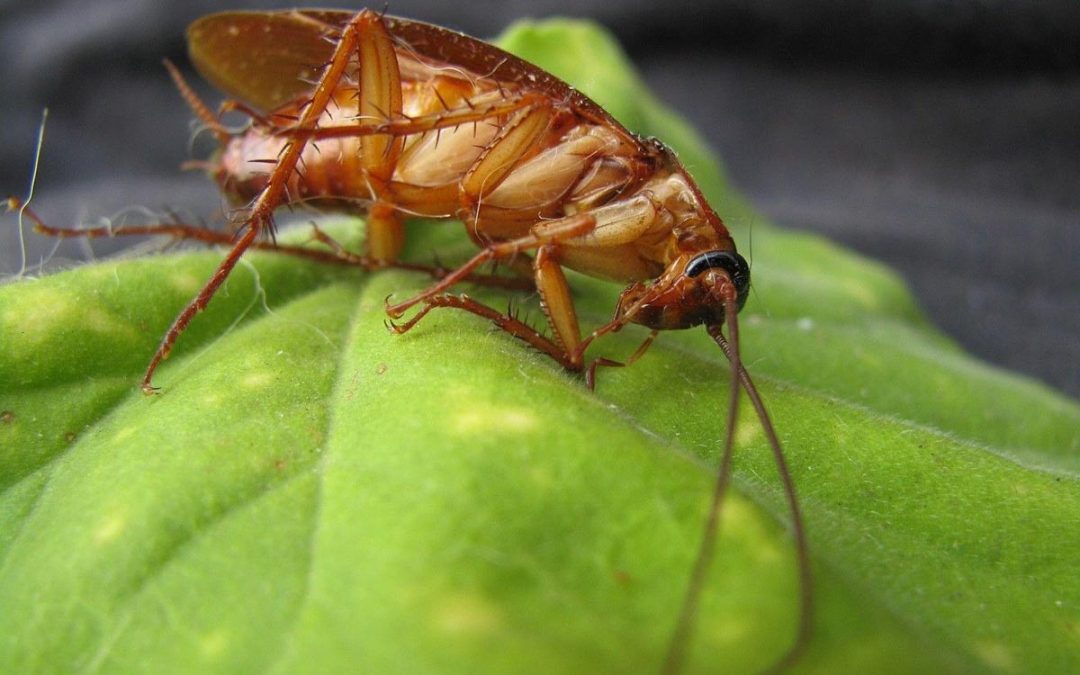

Why do cockroaches suddenly appear? (And what you can do about it?

Why do cockroaches suddenly appear? (And what you can do about it?

If there’s food, moisture and warmth, you’ve got the perfect recipe for a cockroach outbreak! But why do cockroaches suddenly appear in homes that seem clean and sealed? The answer lies in their habits and survival instincts.

Find out why cockroaches suddenly appear and how you can stop these sneaky pests from venturing inside your home in today’s Hivemind blog.

What questions will this article answer?

Why do cockroaches suddenly appear in my house out of nowhere?

Many people wonder why cockroaches suddenly appear despite keeping a tidy home, but when conditions are right, they can move in quickly. Although they are nocturnal creatures, if you’re spotting cockroaches scurrying around during the day, this means that there are plenty of them hidden away out of sight!

With their small size, flattened shape and fast legs, cockroaches can seem to appear and disappear just as quickly.

Once inside your home, they’ll find a dark, enclosed and warm place to hide out of sight, usually right near a water source. Check under your sink, fridge, washing machine or dishwasher, tucked into drawers and cupboards, or even under furniture – places that you never would have thought to look!

Once they find a suitable nesting spot, they’ll start breeding and laying eggs, and after a few short months, you could find yourself caught in the midst of a full-blown cockroach outbreak.

Because they’re hungry

Although they are considered to be omnivores, cockroaches are not fussy when it comes to scavenging food. While they will eat plants and other insects outside, a hungry roach will happily devour almost anything inside your home.

They enjoy meat and carbohydrate-rich sweet, sugary and starchy treats, but will also eat paper-based products such as stamps and cardboard boxes, as well as adhesives used for book binding and wallpaper. In fact, they might even tuck into your leather furniture, soap or even your toothpaste!

They’re small and sneaky

With six tiny legs, it’s a wonder that cockroaches can move as fast as they do – around 1.5m per second! It does help that they have a flattened, oval body shape to improve aerodynamics. Some species can even fly, making them even harder to catch.

Being small and lightweight makes many species of cockroaches quite agile. Most cockroaches grow to around half an inch long, but some species such as the American cockroach, can grow over 2 inches in size.

Protect your home from cockroaches, get expert advice today

or

Your house is warm

This explains one of the most common reasons why cockroaches suddenly appear, especially in warm Adelaide homes. The ideal temperature for cockroaches to thrive is between 20-30 degrees Celsius, making their peak season occur between spring and summer. The warmer conditions will accelerate the reproductive cycle and development of cockroach eggs, causing a spike in the cockroach population.

However, in the cooler seasons, cockroaches will also be attracted by the heat and shelter inside your home and find a cozy spot to nest, with some species even entering a hibernation-like state.

There’s plenty of moisture around

Although they can go for long periods without food, cockroaches must have ample amounts of moisture to survive, or they risk dehydrating. That’s why they tend to thrive most in areas which are warm and humid. It speeds up their metabolism, development and breeding cycle. Without a source of moisture, it’s believed that cockroaches will only be able to survive for around one week.

So if you’re wondering why cockroaches suddenly appear in the house after rain or during humid days, moisture could be the culprit.

How to keep cockroaches away

If you’ve ever asked yourself why cockroaches suddenly appear in your house, prevention is key. You can make your home less appealing for cockroaches by taking the following simple steps:

Keep your home clean

A messy and cluttered space invites a whole range of pests inside, including cockroaches. We recommend regularly cleaning and disinfecting floors, kitchen appliances and surfaces, particularly in dining and food preparation areas. Decluttering can also reduce the number of hiding spots for cockroaches to nest and lay eggs.

Seal off potential access points inside

With the ability to crawl inside the smallest and tightest of spaces, you’ll want to carefully inspect your home for tiny holes or gaps that could allow for cockroaches to slip inside, and then cover or fill them with waterproof sealants.

Store food away

Cockroaches will enjoy feasting from food in your kitchen as much as you do, so you’ll want to make sure that you keep it stored away in sturdy containers, out of sight, either in the fridge or pantry. This includes pet food and water bowls.

Proper waste management

With unhygienic foraging habits, cockroaches are known to search through rubbish and waste looking for their next meal. You’ll want to make sure that you use sturdy plastic bags to store your rubbish, and check that your rubbish bins have tightly fitted lids. Avoid keeping piles of compost out in the open.

Fix leaking plumbing

Requiring moisture to survive, cockroaches are clever at seeking out sources of water. Check your plumbing system regularly for leaks and fix them as soon as you can. This includes drains, toilets, pipes, gutters and taps, as well as appliances such as washing machines and dishwashers, which connect to your plumbing system.

Cockroaches in your kitchen? Get fast advice today

or

Professional cockroach control

At Allstate, we find that a tailored approach works best against cockroach outbreaks, particularly if preventative measures haven’t been successful. After identifying the species and locating the nest, we’ll often use a combination of the following treatments to target the problem:

Residual sprays

Containing insect growth regulator pesticides, aerosol sprays can be applied to larger infested areas as well as around the perimeter of your home to act as a protective barrier.

Bait stations

For areas with a large amount of cockroach traffic, we can install tamper-proof bait stations containing insecticide.

Control dust

To encourage sneaky cockroaches to venture out from hard-to-reach hiding places, we’ll sprinkle insecticide control dust, which can penetrate even the tiniest of gaps, cracks and crevices.

Fumigation

Effective for severe outbreaks, we can apply a concentrated insecticide gas to a sealed off cockroach hotspot. We’ll be sure to let you know when it’s safe to re-enter the space.

Heat treatment

As a more environmentally friendly and pesticide-free approach against severe cockroach infestations, applying a dry heat treatment to a sealed-off area is also effective for destroying cockroach eggs as well as sterilisation.

For effective and reliable cockroach management, choose Allstate

For most people, when cockroaches suddenly appear in the house, it can feel like a huge shock. Although this means that a cockroach nest is most likely nearby, you don’t need to panic. Allstate Pest Control is just a phone call away.

Since 1986, we’ve successfully combatted cockroach outbreaks in all suburbs of Adelaide. Whether you’re in a commercial, residential or industrial setting, our team of highly trained pest control technicians is available 24/7 with accurate advice and a range of innovative treatments to safeguard your home or business against even the most persistent cockroaches.

With competitive warranties and payment plans applicable to all our services, you can have long-lasting cockroach protection sooner rather than later.

Our expert team is ready to help you now

or

How to Treat Bed Bug Bites on Human Skin: Relief, Remedies and When to Act

How to Treat Bed Bug Bites on Human Skin: Relief, Remedies and When to Act

So,

how do you treat bed bug bites

?

Start by washing the affected skin with soap and water. Apply a cold compress. Use an anti-itch cream or calamine lotion. And avoid scratching, no matter how tempting.

If the bites worsen or signs of infection appear (which is rare), speak to your doctor. Some cases may need antihistamines or prescription creams.

At Allstate Pest Control, we’ve helped thousands of South Australians manage bed bug problems and infestations for over 35 years. We’re here to guide you, step by step, through relief, remedies, and long-term prevention.

Let’s walk you through what to do.

What Do Bed Bug Bites Look Like?

Bed bug bites usually appear as red, raised welts. You’ll often find them in clusters or lines on exposed skin of the arms, legs, neck, or back.

Unlike spider bites, they don’t swell up immediately. They can take hours or even days to show. And once they do? The itching kicks in.

The bite marks can become inflamed, especially if you scratch at them. On brown skin, bites may appear as darkened or purple spots rather than red.

What makes things tricky is that not everyone reacts the same way. Some people experience severe itching or even an allergic reaction. Others barely notice the bites at all.

Bed Bug Bites: How to Treat 

  1. First step: clean the area. Gently wash the bite marks with soap and lukewarm water. This helps prevent skin infections and soothes the itch somewhat.
  2. Apply a cold compress. It reduces swelling and numbs the itch. Don’t scratch, it spreads bacteria and delays healing.
  3. Next, use an over-the-counter cream or gel like calamine lotion or hydrocortisone. These reduce inflammation and provide relief from severe itching.
  4. If the bites are widespread or you’re having a stronger reaction, speak to your GP or pharmacist. They may recommend an oral antihistamine or prescription topical cream.

Home Remedies for Bed Bug Bites: Quick Relief Tips

Got no creams on hand? No worries.

Here’s how to treat bed bug bites with what’s already in your kitchen or medicine cabinet.

Topical treatments for itching and swelling

  • Aloe vera gel: Straight from the plant or a natural gel. Soothes, hydrates, and promotes healing.
  • Tea tree oil: A few drops diluted in water or carrier oil help with itching and have antibacterial properties.
  • Baking soda paste: Mix with a few drops of water and dab it on. Leave for 15 minutes, then rinse.
  • Toothpaste: Surprisingly effective. The menthol provides a cooling effect and reduces irritation, but avoid using it on broken skin.

When to seek medical help for bed bug bites

Get medical advice if:

  • You develop a fever.
  • The bite area feels warm, hard, or has pus (signs of infection).
  • You experience an allergic reaction, such as swelling of the face or trouble breathing.

Also see a GP if the bites aren’t healing after a few weeks or you’re constantly being bitten at home. That’s likely an ongoing bed bug infestation, not just a one-time problem.

    How to Prevent Bed Bug Bites in the Future

    The real problem isn’t the bites but the bugs.

    To prevent bed bug bites, you need to eliminate bedbugs or avoid them in the first place.

    Here’s what helps:

    • Avoid secondhand furniture, especially mattresses, bed frames, and upholstered items, without a pest check.
    • Vacuum carpets, beds, and soft furnishings on a weekly basis. Pay extra attention to mattress seams and box springs.
    • Use bed bug-proof covers on mattresses and pillows.
    • Inspect your hotel room before unpacking. Pull back the bed sheets. Look at the seams. Check for tiny insects or black stains.

    Worried you’ve picked them up during travel? Then, put all clothes and bags in a hot wash and dry cycle on the highest setting when you return.

    Act fast on pests around your house, speak to an expert today

    or

    Frequently Asked Questions

    What is the fastest way to heal bed bug bites?

    The fastest way to treat bed bug bites is to wash the affected area with mild soap and water, apply calamine lotion or an antihistamine cream, and avoid scratching. Cold compresses help reduce swelling. Otherwise, leave the bite site alone. Most bites will heal on their own in a week or so. 

    How long does it take for bed bug bites to go away?

    Bed bug bites usually heal in 7 to 14 days, or less. It depends on your skin type and whether you scratch. For some individuals, the itching can persist for several weeks.

    What does toothpaste do for bed bug bites?

    Toothpaste contains menthol and other cooling agents that can temporarily relieve itching. It’s not a medical treatment but can work in a pinch.

    How do you stop bed bug bites from spreading?

    You stop the spread by controlling the bed bug infestation. Regular cleaning, vacuuming, and professional pest control treatments are key. Bites themselves don’t spread, but repeated bites will occur until the bugs are removed.

    Can bed bug bites cause serious problems if not treated?

    In rare cases, untreated bed bug bites can lead to skin infections or allergic reactions. Sleep deprivation and stress are also common effects of ongoing infestations.

    Need fast help with bed bug bites or a suspected bedbug infestation? Leave us a message or call Allstate Pest on (08) 8371 1277 today.

    Contact Allstate Pest Control for Professional Bed Bug Treatments

    Think you’ve been bitten? Seeing signs of a bed bug infestation at home or work?

    Call Allstate Pest Control today on 08 8371 1277. We’re South Australia’s most trusted pest control company, available 24/7 for inspections and fast treatment plans. We’ll help you sleep easy again.

    Our expert team is ready to help you now

    or

    Why Do Ants Come Inside The House?

    Why Do Ants Come Inside The House?

    Because

    your home has everything ants want, from food to water, and shelter.

    That’s the short answer. 

    But if you’re seeing tiny ants marching across your benchtop or around the pet food bowl, there’s more going on under the surface.

    At Allstate Pest Control, we’ve been helping South Australians tackle pest infestations for over 35 years. We handle emergency call-outs, long-term treatments, and prevention plans for both homes and businesses. And when it comes to ant control, we’ve seen it all, from sugar trail scouts to full-blown carpenter ant infestations hiding behind the wall.

    Let’s help you find out why ants invade homes, what attracts ants inside, and how you can stop ants from coming back.

    Why Do I Keep Getting Ants in My House?

    Because they’ve found a food source or water, and told their colony.

    Ants don’t wander in randomly. Worker ants go out to search for food or moisture. Once they find something, like a crumb, a leaky pipe, or a pet bowl, they leave behind a chemical trail. This trail guides the other ants directly to it.

    Most ants come inside looking for:

    • Sweet foods (think honey, sugar, juice spills)
    • Greasy leftovers or meat scraps
    • Water from leaky taps, condensation, or plant trays
    • Shelter from rain or extreme heat

    Why Do Ants Come Inside When It’s Hot?

    During hot seasons, such as summer, ants are more likely to invade homes. 

    Why? 

    When it’s hot and dry, ants come inside to escape the heat and search for water. Ant activity increases during warm months, especially for pavement ants and other ground-dwelling species common in Australia.

    Once the colony finds a reliable food source, you’ll notice ants walking in steady lines across the floor, benchtop, or windowsill. That’s your cue to act fast.

    What attracts ants inside the home?

    Ants love it when you have a messy kitchen, dining room or living room in any form.

    They’re drawn to sugary substances, food residue, and anything not appropriately sealed. Even the tiniest crumb under your toaster can be enough to trigger an ant infestation.

    Here’s what attracts ants:

    • Unsealed food like cereal, rice, or snacks
    • Fruit left out on the counter
    • Spills straight from soft drinks or juice
    • Pet food bowls left out overnight
    • Poorly sealed windows, cracks, or entry points
    • Damp areas like under sinks or laundry rooms

    Carpenter ants may also enter your home if there’s rotting or damp timber. Unlike other ants, they don’t eat wood, but they hollow it out to create nesting habitats.


    How to Stop Ants from Coming Inside My House: 7 Things to Do

    If you’ve had ants invading your kitchen more than once, it’s time to break the cycle. Here’s what to do.

    Identify the type of ant

    Different ants need different treatment methods. Some ants are sweet lovers. 

    Others prefer grease or protein. Some build nests in walls (like carpenter ants). 

    Others stay outdoors but forage inside. Identifying the ant species helps choose the right bait or barrier.

    Keep surfaces clean

    Wipe down benchtops after every meal. Mop floors regularly. Don’t leave dirty dishes overnight. Even a small spill can trigger an ant trail. Pay attention to hidden spots like under the fridge, toaster, or microwave.

    Store food in sealed containers

    Use airtight containers for sugar, beverages, flour, grains, and snacks. Don’t rely on cardboard packaging. Ants can chew through it. The same goes for pet food; store it in sealed containers and clean bowls daily.

    Seal cracks

    Inspect your walls, windows, doors, and skirting boards. Use sealant to block gaps. Fix poorly sealed windows or broken flyscreens. If ants are coming through a specific crack, you’ll often see them forming a line there.

    Use ant baits

    Ant bait is more effective than sprays in the long run. Worker ants carry the bait back to the colony. It poisons the entire nest over time. 

    Ensure the bait matches the ants’ food preference; some prefer protein, while others prefer sugar. Always follow the label instructions.

    Use an ant spray barrier

    Apply non-repellent ant spray along door frames, windows, and exterior walls. These products allow ants to walk through and carry the toxin back to the colony without alerting others. 

    Avoid strong-smelling repellents, as they can cause the ants to split and form new colonies.

    Turn to pest control professionals

    If ants keep returning, it’s time to call an ant control professional. At Allstate Pest Control, we use targeted treatments that eliminate the entire nest, not just the visible ants. We also identify access points and prevent ants from coming back.

      Protect your warehouse from a pest outbreak, get expert advice today

      or

      How Do I Know If I Have Termites or Ants?

      Not all ants are harmless, and not every wood-loving insect is a termite.

      If you see small piles of sawdust, hollow-sounding timber, or ants with wings, it could be something more serious. Carpenter ants are often mistaken for termites, but they don’t eat wood; they dig into it. Termites, on the other hand, feed on cellulose and cause structural damage.

      A licensed pest control expert can confirm what pest you’re dealing with. Don’t guess, especially if you own a timber-framed home.

      Frequently Asked Questions 

      Why are there ants in my house suddenly? 

      Ants appear suddenly when they discover food or water. Once a worker ant finds it, others quickly follow via a scent trail. This can happen within hours of a spill or leak.

      What do ants hate most? 

      Ants dislike strong scents, such as lemon juice, peppermint oil, and vinegar. But these are only short-term deterrents. Professional pest control methods target the nest directly for more effective and longer-lasting results.

      Does killing ants attract more? 

      Yes, in some cases. Crushing ants releases alarm pheromones that can attract other ants to the area. It’s better to use ant bait to target the entire colony discreetly.

      Why are there ants in my room but no food? 

      Even if you don’t see food, ants may detect food residue, pet food, or moisture. Sometimes ants use rooms as pathways to other areas. Check windows, skirting boards, and power outlets.

      How to get rid of ants when you don’t know where they’re coming from? 

      Start with deep cleaning. Remove all food sources. Use ant bait along ant trails or suspected areas. If the problem persists, contact a licensed pest control expert to locate the nest and apply a comprehensive treatment.

        Act fast on pests around your warehouse, speak to an expert today

        or

        If ants have become a constant battle, don’t wait until the colony grows.

        Call Allstate Pest Control on (08) 8371 1277 or send us a detailed message about the situation to book an inspection or emergency treatment. We’re trusted by thousands of South Australians, and we’re ready to help you protect your home.

        Our expert team is ready to help you now

        or

        Are Possums Dangerous to Humans?

        Are Possums Dangerous to Humans?

        Yes, possums can be dangerous, though not in the way most people think. They’re not naturally aggressive. But when cornered, a possum may bite, scratch, or spread harmful diseases through droppings and parasites.

        At Allstate Pest Control, we’ve protected thousands of homes and businesses in South Australia for over 35 years. We’re trusted by families, schools, and councils across Adelaide to handle wildlife pests, especially the sharp-clawed, nest-building kind. Possums included.

        Let’s break it all down for you. What possums do, why they act out, and what you should never do if you spot one in your backyard or roof cavity.

        What Are Possum Defensive Behaviours?

        If a possum feels threatened, it won’t go down quietly.

        It might growl, hiss, or bare its teeth. It may even lunge.

        That’s not because a possum is inherently dangerous. It’s simply scared.

        Possums, especially common brushtail possums, are prey animals. They’re wired to defend themselves from predators like owls, dogs, or humans. When backed into a corner, they might:

        • Bite with sharp teeth
        • Scratch with strong claws
        • Release a foul-smelling liquid
        • Or “play dead” to escape.

        It’s nature’s panic button, and it can get messy.

        Also Read: What Does Possum Look Like?

        Do Possums Pose Health Risks to Humans?

        Yes, they do.

        Direct contact or exposure to possum droppings and urine can pose real health risks.

        Possums may not attack unprovoked, but they carry parasites and bacteria that don’t belong in your ceiling or kitchen.

        What Diseases Can Possums Spread?

        Here’s where it gets serious. According to research and local wildlife experts:

        • Leptospirosis can spread through the urine of certain animals, such as possums, especially in damp roof spaces.
        • Salmonella has been found in possum droppings, which can contaminate surfaces and food.
        • Mites, ticks, and fleas that live on possums can be transferred to pets or humans.
        • Possums are known to be reservoirs for buruli ulcers, a flesh-eating bacterial infection, although it’s rare.

        While possums look cute, they’re still wild animals. Handling them without gloves or letting kids play near possum nesting material is risky.

        Why Do Humans Get Bitten by Possums?

        It’s not common, but it happens. Most possum bites occur when someone tries to pick one up, block its exit, or disturb its nest boxes.

        Possums have up to 50 teeth, which is more than other mammal. So, they are good at giving a bite.

        Brushtail possums may live in your roof, garage, or shed, especially if there’s warm insulation, nesting material, or easy access to pet food. And if you accidentally corner one?

        It’ll fight its way out.

        Possums don’t go looking for a fight, but they won’t back down when they feel threatened. Keep kids, pets, and curious fingers away from their hiding spots.

        Protect your house from a pest outbreak, get expert advice today

        or

        How to Prevent Negative Interactions with Possums

        Possums are a common sight in South Australia. So, rather than panic, take preventative steps.

        Here’s how to keep the peace between humans and possums:

        • Remove food sources, such as open compost bins, fallen fruit trees, or pet food, from verandas.
        • Block entry points in your roof, wall vents, and eaves. Possums love a cosy roof space.
        • Trim trees near your roofline to reduce access. They can leap 2–3 metres if needed.
        • Avoid confrontation. Never try to trap or move one yourself.
        • Install nest boxes in your yard to redirect them away from your ceiling.

        If you ever need help with roof inspections, sealing or possum removal in Adelaide? Allstate Pest Control can sort that out quickly. Call us on 08 8371 1277.

        What to do if a possum enters your home

        First, stay calm.

        Second, don’t touch it.

        Turn off the lights and leave a door or window open. Give it space to escape on its own.

        If it refuses to leave or appears distressed, contact a licensed wildlife handler or pest control service, such as Allstate Pest Control. Trapping common brushtail possums is regulated in South Australia. They can’t be relocated more than 50 metres and must be released safely near their capture site.

        Who can trap common brushtail possums?

        In South Australia, only licensed wildlife handlers can trap or relocate possums.

        According to the Australian Department for Environment and Heritage, it’s illegal to kill or move a possum without permission under the National Parks and Wildlife Act 1972. 

        At Allstate Pest Control, we collaborate with licensed professionals to ensure that every solution is safe, legal, and humane. We won’t harm your wildlife. We help control it with proper approvals.

          Are Possums Dangerous or Misunderstood?

          They’re mostly misunderstood.

          Possums aren’t naturally aggressive or out to attack your kids or pets. But like all wild animals, they’ll defend themselves when they feel vulnerable.

          They can carry diseases, cause roof damage, and trigger allergic reactions through their fur or faeces. In the wrong place, they’re a problem. In nature, they’re part of the ecosystem.

          So no, not every possum is dangerous. However, a possum can be dangerous when cornered, sick, or living on your roof without permission.

          The best course of action is to prevent them from nesting near you.

          Frequently Asked Questions

          Is it bad to have possums around your house?

          It can be. Possums are wild animals. When near your roof, they may cause significant damage, especially if they chew insulation, scratch ducts, or urinate on your ceiling. They also attract predators, especially if you leave pet food out at night.

          Are Australian possums dangerous?

          Yes and no. Australian possums, such as the common brushtail possum, are protected wildlife. They’re not inherently dangerous, but they may scratch or bite if handled. Their droppings can spread disease, so it’s best to avoid direct contact.

          What do you do if a possum approaches you?

          Stay still. Don’t scream or run. Let it pass, and avoid blocking its escape route. If it doesn’t move, back away slowly. Then call a pest control professional at Allstate for help.

          Will a possum try to bite you?

          Only if it feels threatened. Possums generally avoid confrontation but will bite if cornered, scared, or picked up. Never attempt to remove one from your yard or roof without professional support.

          Do possums nest in roof spaces or gardens?

          Yes. They often seek dry, dark spaces, such as ceiling voids or sheds, especially when searching for nesting material. Possums may also settle in nest boxes in your garden if there are nearby trees and shelter.

          Get Help Now. Call Pest Control

          Still unsure whether the possum on your roof is harmless or a risk? Don’t guess. Get expert advice. Contact Allstate Pest Control or call 08 8371 1277 for safe, legal, and fast possum solutions. We’ll help you stay safe, avoid bites, and keep your home or business protected, 24/7.

          Our expert team is ready to help you now

          or