






prevention-icon

Termites

prevention-icon

Ants

prevention-icon

Cockroaches

prevention-icon

Spiders

prevention-icon

Birds

prevention-icon

Bed Bugs

prevention-icon

Bees & Wasps

prevention-icon

Rats & Mice

prevention-icon

Possums

prevention-icon

Biting Insects

prevention-icon

Disinfection Services

Your Guide to Pest Control Sprays

Your Guide to Pest Control Sprays

YOUR GUIDE TO PEST CONTROL SPRAYS


When pests invade your home or business, it can be tempting to reach for the can of Mortein, but often there’s a larger underlying pest problem. For professional help, visit our pest control for food outlets.

That’s where a professional pest control treatment and spray can help. At Allstate, we can treat the root cause of your pest outbreak to give you and your family long-lasting protection all year round.

What questions will this article answer?

Benefits of using pest sprays

As a convenient choice for many people as a spot treatment for pests, you’ll find that most homes and businesses in Adelaide will have a can of pesticide spray sitting in the cupboard. 

When applied safely, sprays can help to improve the comfort and hygiene of a building by keeping rogue pests at bay.

However, a DIY approach doesn’t work to prevente an actual pest outbreak. These are common in the warmer months when they are out of hibernation, which is when we recommend a professional assessment by a licensed pest control technician.

For a pest spray that is effective and reliable, speak to a pest removal expert today.

or

Types of pest control sprays

There are 2 main types of commercially available pest sprays.

Biological sprays contain other living organisms such as parasites, pathogens and natural predators and are used to reduce pest outbreaks in your garden. They are generally slower acting and can be less effective.

Chemical sprays have compounds that are selectively toxic to certain pests and are used to manage them by either immediate prevention, or forming a protective residue over a surface for a period of time as a longer lasting deterrent. They tend to be fast acting, effective, inexpensive and readily available. This is the preferred choice for Allstate’s pest control treatments.

Sprays for common household pests


Here are our most used sprays for getting rid of common pests lurking around your home. They’ll tend to hibernate in winter and then re-emerge at springtime, so make sure that you book in for a pest spray at least once a year.

Cockroach sprays

If you’re wondering how to manage pesky roaches with an exterminator, we use crawling insect sprays that have specific chemicals, such as boric acid, which are able to penetrate a cockroach’s tough outer casing.

We’ll apply them with an extendable nozzle attachment that helps with treating the hard to reach areas where cockroaches are hiding. Having a 360 degree valve also makes it handy for spraying the aerosol in any direction – even upside down – to catch these pesky critters.

Spider Sprays

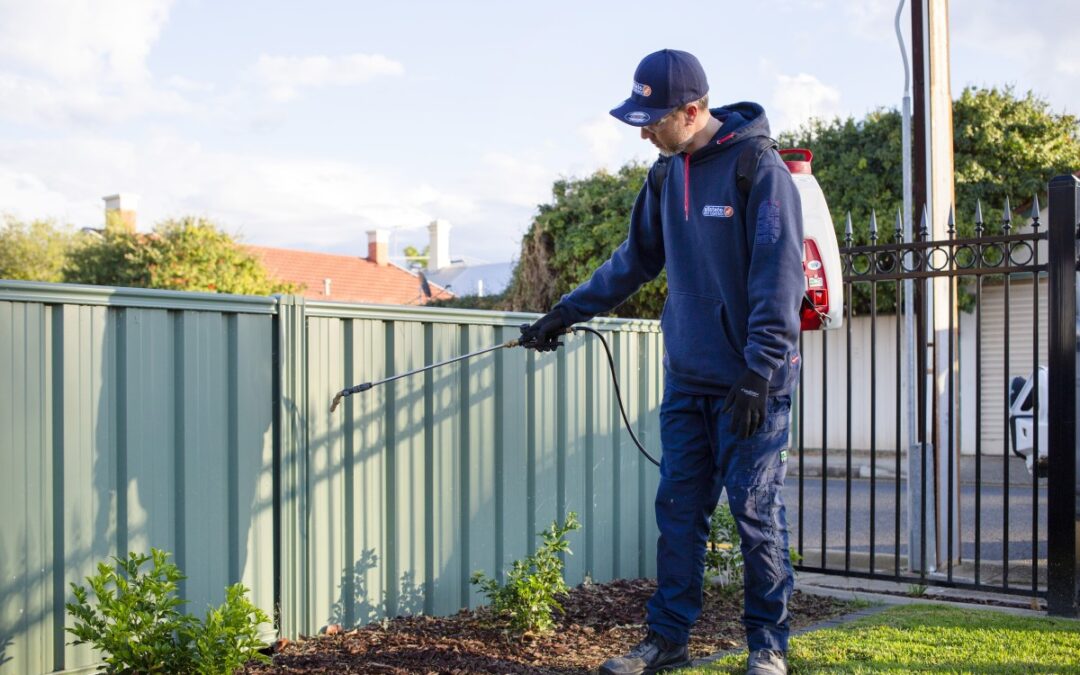
For spider pest control Adelaide, we target spider webs and hiding places with crawling insect spray. We advise you wait a day or two before removing the webs to ensure the spider has come into contact with the insecticide. We can prevent spiders from entering your home by spraying aerosol and leaving its residue around access points such as windows, doors and vents.

We practice the safe use of pesticide sprays

At Allstate, we understand that the chemical pesticides used in pest sprays must be treated and used with caution. You can rest assured that your health and safety is always a priority.

  • Our technicians are highly trained to understand how to apply or properly mix and prepare the chemicals
  • We adhere to safety precautions to protect you and your family from possible hazards
  • We advise evacuating vulnerable people including children and pregnant women and pets during our treatments

Need safe pest control? Our expert team is ready to help

or

Which pesticides are used in a pest spray?


In Australia, all chemicals used in the manufacture of pest sprays must be approved by the Australian Pesticides and Veterinary Medicines Authority (AVPMA) [link to https://apvma.gov.au/], so you can be confident that they are safe.

Here are the most commonly used pesticides used in treatment sprays, and the pests that they target:

Fipronil

A highly transmissible insecticide and termiticide, Fipronil comes in powder, granulated and liquid forms. It is easily passed from insect to insect, where it binds to nerve endings and causes paralysis in pests such as ants, cockroaches, fleas, ticks and termites. When handled with care, it is non-toxic to humans. 

Pyrethrins and pyrethroids

Derived from chrysanthemum flowers, pyrethrins are commonly used mild toxicity insecticides are used to target mosquitoes, houseflies, fleas, moths, ants and mosquitoes. Their synthentic form is known as pyrethroids. They are usually mixed with other chemicals to enhance their effect of causing paralysis in insects.

Boric acid

A popular insecticide normally found as sodium borate in powdered form, boric acid is used to prevente spiders, bed bugs, fleas, mice, cockroaches and termites. Being water soluble, it makes a powerful surface spray that disrupts insect metabolism. Remember to take extra care when handling boric acid products as they are highly corrosive.

Carbamates

Made from carbamic acid with a low toxicity towards people and pets, carbamate pesticides are widely used to remove spiders, ants, cockroaches and fleas. They act by inhibiting the respiratory system.

Insect growth regulators

With the benefit of acting through a highly specific mechanism of action, insect growth regulators inhibit insect growth and egg laying capacity. This selective toxicity makes them safe for humans and pets. Some examples of commonly used insect growth regulators include triflumuron and juvenoids.

How is a professional pest control spray different to DIY?

With an abundance of commercially available pest sprays, DIY pest control has never been easier. However, just because they are more accessible, it doesn’t necessarily mean they are effective or healthy.

Problems arising from misusing pest sprays

When pest sprays are applied by a licensed pest control technician, the benefits you experience will outweigh the risks of misuse by an inexperienced person. These risks include:

  • Causing illness to people, wildlife and harming plants
  • Eliminating the symptom, but not the problem of a pest outbreak
  • Environmental pollution can damage the ecosystem and reduce biodiversity

Is pest control safe for humans?

At Allstate, we are members of AEPMA, ensuring highest level standard of service. We are also food standard HACCP compliant and adhere to the ISO 9001 quality standard.

We are regularly updating our knowledge of Australian standards and regulations such as the EPA and various EPPs. 

Our pest control technicians are all highly trained in modern techniques and technology to practice safe use and handling of chemicals. We take care to use products that are APVMA approved and non-toxic to people, pets and the environment.

Stay pest-free with an ongoing pest management program

Professional sprays can keep you pest-free for months, but if you don’t practice preventative measures, you may be at risk of another outbreak, especially when warmer weather arrives and pests come out of hibernation.

Be sure to conduct regular inspections around your property, seal off potential entry points and remove all sources of pest attractants.

For a pest outbreak risk assessment and inspection, Allstate has you covered. As part of a tailored pest management program, we offer a convenient pest inspection and maintenance service to businesses all over Adelaide. 

Preparing for a pest control spray treatment

To ensure you get the best results:

  • Store away items that you don’t want exposed to chemicals, such as clothing and toys
  • Secure your pets well away from the treatment area
  • Move furniture to the centre of the room so pest technician has better access to the walls
  • Once treatment is finished, there could be a certain period of time needed to vent the building before you re-enter, so your technician will let you know.
  • Do not mop the floors or wipe surfaces as this can remove the treatment residue

How much does professional bug spray cost?

Pest sprays are used as part of a pest treatment and removal or maintenance program. Our programs start at <number?> though this figure varies depending on factors such as the size and the accessibility of the affected area. 

Our expert team are ready to help you now

or

Choose Allstate for professional pest removal services

At Allstate, we understand how convenient it is to manage unwanted pests lurking around your home by simply purchasing a pesticide spray from your local hardware store.

Unfortunately it only fixes the symptom, not the underlying problem. That’s where we can help.

Our licensed and fully equipped pest control technicians are able to perform a professional inspection of your property and then come up with a management plan to permanently resolve the problem.

We’re highly trained and experienced in handling pesticides and chemicals, and take every precaution to keep you, your family, pets and property as safe as possible during the treatment process. We choose to use only products which are non-toxic towards pets, people and the environment.

All of our treatments come with a 100% satisfaction money-back guarantee to ensure that our service has met your expectations. We offer interest free payment plans so you can get back to being pest-free as soon as possible.

Need pest control? Our expert team are ready to help you now.

or

How often do I need a termite inspection?

How often do I need a termite inspection?

How often do I need a termite inspection?

Subterranean termites are the main species of termites in Adelaide, and these highly destructive creatures are notorious for causing substantial damage to homes and businesses. The best way to prevent them from costing you expensive repairs is to have an effective termite management plan in place.

While we strongly advise having physical or chemical barriers installed at your property, the most important way to prevent termites is by scheduling regular professional termite inspections. 

If you’re due for a termite inspection or wondering how frequently you need to have one, we answer the 4 of the most commonly asked questions about this all-important step in protecting your home.

What questions will this article answer?

Why do I need more than one termite inspection?

Most homes and businesses in Adelaide have a termite management system in place, usually through modern and up-to-date physical and chemical barriers, which are highly successful at keeping termites away.

However, like many things in life, they aren’t permanent. Physical termite barriers are designed to last an average of 20 or more years and chemical barriers 8 or more years. As termites are persistent pests, they may still be able to find small gaps and crevices to penetrate the barriers and enter your home.

That’s why part of an effective termite management system involves having not only termite barriers, but also making sure that they are still doing their job properly.

Having regular, ongoing termite inspections by a licensed professional to identify early signs of termite breaches means that you can act quickly to stop termites from causing damage to your home.

How often should you have a termite inspection in Adelaide?

Subterranean termites are the most common species of termites found in Adelaide. They live underground and are known to cause substantial damage to timber structures. To minimise your risk of an attack, it’s recommended that you have an annual routine termite inspection by a licensed professional.

Australian national guidelines for termite inspection

The CSIRO recommends following the advice which is outlined by the Australian Environmental Pest Managers Association (AEPMA) to determine how regularly your property requires termite inspections.

These guidelines state that termite inspections should be conducted at least annually, if not more frequently, depending on:

  • The type of termite species present
  • The type of building construction
  • Whether or not there are particular physical or environmental risk factors which predispose a termite attack
  • Geographical region
  • Previous termite damage within or surrounding the property

Cooler weather in Adelaide draws termites indoors

Areas with warm, humid climates and dense vegetation – such as Sydney and Brisbane – possess ideal breeding conditions for termites.

However, for a city like Adelaide, which is generally cooler, this means that termites are more likely to seek warmth indoors – most likely within the walls of your home.

At Allstate, we use a combination of traditional tools and modern technology to identify even the smallest signs of termite activity inside your home during your annual termite inspection.

Don’t risk termite damage to your home, book your annual termite inspection today

or

When should I get a termite inspection if I have a pest barrier?

Given that physical and chemical termite pest barriers are designed to last between 8 and 20 years, it’s helpful to make sure that they remain effective over their lifespan. Whether you’re purchasing an existing home or building a new one, you may want to consider an independent, expert opinion on whether your level of termite protection is adequate.

Newer homes

According to the National Construction Code, it’s compulsory for all new homes to have built-in termite protection. However, it also states that termite activity may still occur even with the presence of a termite management system.

These persistent pests have even been known to penetrate treated timber, steel roofing and even electrical wiring.

Having ongoing termite activity means that regular termite inspections are still necessary to identify any breaches to your barriers. Our inspection reports will detail termite barrier maintenance recommendations to safeguard your new home from any potential damage.

    Check the integrity of an existing termite pest barrier

    Making sure that you have a reliable termite pest barrier installed is the best way to safeguard you and your family from the threat of a termite outbreak.

    If you’re buying an existing home, or living in an older home, it’s important to check for potential termite risk factors, previous damage and that the termite protection plan for the property is up-to-date and adheres to Australian Standards.

    At Allstate, we offer pre-purchase termite inspections and quotes to update existing termite barriers, allowing you peace of mind before making these important financial decisions.

    We’ll make sure your home is safe from termites

    or

    How much does a termite inspection cost?

    You can have a comprehensive termite inspection with Allstate starting from $198. For larger homes and properties, or more complex inspections requiring additional equipment, an extra fee may be charged. Please contact Allstate on 8371 1277 and speak to one of our friendly consultants to arrange a free quote.

    Protect your home with regular termite inspections

    At Allstate, have seen firsthand the damage and heartbreak caused by a termite infestation. 

    The good news is that this can be avoided through regular, routine termite inspections of your property. We understand that you’re busy, so we’re happy to work around your schedule.

    Whether it’s indoors or outdoors, our team of licensed termite inspectors is highly trained to detect the early, subtle signs of termite activity around your home. We always conduct our inspections in accordance with Australian Standards. 

    With the assistance of a range of modern equipment, we have the expertise to identify the presence of high risk factors so that we can determine the likelihood of an outbreak. 

    We’ll make sure that all of our observations and findings are communicated to you in a clear, concise report so that you stay up to date with keeping your family safe from termites.

    About Allstate

    Since 1986, we’ve helped many homes and businesses around Adelaide stay termite-free through with through a range of services. Alongside our thorough inspections, we also install pre-construction termite barriers and offer high quality, long lasting treatments to prevente any outbreaks.

    We offer payment plans to make sure that you don’t have to miss out on any important inspections. To make sure that you’re completely satisfied, all of our services come with a 100% money back guarantee.

    If you’re due for a termite inspection or noticing signs of termites around your home, speak to a friendly Allstate consultant today.

    Don’t delay your annual termite inspection, make an appointment now

    or

    Your Guide to Termite Protection for New Homes

    Your Guide to Termite Protection for New Homes

    YOUR GUIDE TO TERMITE PROTECTION FOR NEW HOMES

    There are over 350 known species of termites active in Australia. With many parts of Adelaide at high risk of termite attacks, you don’t want your dream home falling victim to them. Also known white ants, these pests are capable of chewing through walls, ceilings, floors and even electrical wiring, and if left unchecked could put the damage bill in the hundreds of thousands. Fortunately, a termite management can protect your new home before the foundations are even laid.

    If you’re building a new home and concerned about termite outbreaks, we’ve prepared this helpful guide to explain how termite protection is installed and the different types of termite management systems used in pre-construction.

    What questions will this article answer?

    Why does my new home need termite protection?

    Many parts of Australia are considered to have a high risk of termite infestations, and Adelaide is no exception.

    An estimated one in five Adelaide homes have fallen victim to termite attacks, resulting in treatment and repair bills averaging $10,000 and major disruptions to households. That’s why it’s well worth the investment to prevent them from entering in the first place.

    Why are termites so drawn to buildings? 

    Because they feed on cellulose-rich materials such as timber, which is a key component in most homes. Termites are able to quietly dig complex underground tunnels and gain entry into your house through tiny cracks and crevices.

    Once they’re inside, they can cause significant damage, affecting your walls, floors and ceilings. You’ll notice cracks, blisters, sagging floors, warped door frames, bubbling or honeycomb patterns appearing in paint. Electrical wiring can also be affected.

    What’s worse is that termite-related damage is not covered by home and contents insurance as it is deemed highly preventable. 

    The best way to reduce your risk of a termite outbreak is by choosing termite-resistant materials for construction, and having correctly installed and well-maintained termite barriers.

    Anxious to protect your new home? Speak our termite protection experts

    or

    Is termite protection mandatory?

    Yes, there are specific termite risk management guidelines which are outlined by the National Construction Code.

    Your new home is required to have a built-in termite management system, or be built with materials which are termite resistant. This is because termites can damage every room of your home, including the electrical wiring. Even treated timber or steel roofing is not immune to a termite attack.

    Regular inspections and maintenance of the termite management system are also important.

    How can I protect my new home from termites?

    At Allstate, we have a thorough understanding of termite behaviour and feeding habits. Using this knowledge and many years’ experience, we’ve adopted several effective ways to safeguard your home from destructive termites.

    Waterproofing and side slab moisture protection

    Concrete slabs must be water resistant, as internal moisture can attract termites.

    The exposed side edges of concrete slab foundations are most vulnerable to the elements, particularly water and dampness. Dampness shows up as efflorescence, a condition where white coloured crystalline deposits of salt and minerals remain on the surface of building surfaces.

    We recommend using waterproofing compounds to treat the concrete slab during the construction stage. Many of these compounds offer excellent protection from moisture:

    • Ardex WPM 300: this can be applied directly to freshly laid concrete.
    • Deep Cure: this penetrates inside the slab, forming a gel which helps to retain water and stop excess moisture from seeping in.
    • Homeguard Protectacote: this Bifenthrin based termite barrier is applied around the perimeter of new concrete slabs and extensions. 
    • Xypex concentrate: this product is active within the pores of the concrete to produce a non-soluble crystalline compound, which blocks the water from penetrating inside

    Chemical reticulation systems

    Whether you’re adding a house extension or building a new granny flat on your property, Australian building standards state that you will need to add a termite barrier between the foundation of your existing home and new concrete slab. The barrier must be easily replenished with termiticide so that it remains effective.

    This is where a reticulation system is useful. It consists of a network of pipes which are carefully positioned underground and around key areas of your property. The system is designed to continuously discharge termiticide into the soil to deter termite activity.

    At Allstate, we choose to use Termidor, which needs to be topped up every 3-5 years.

    Concrete curing

    The concrete slab is the all-important foundation for your new home. Cement must be carefully laid out and then allowed adequate time to set properly so that it reacts with moisture to form a dense, tough and strong concrete base.

    This way there will also be less surface cracking, which can introduce a potential entry point for termites.

    At Allstate, we recommend using Rendacure to cure your new concrete slab. This water-based product can either be sprayed or rolled onto freshly laid concrete. It is a convenient choice as Rendacure will not delay other tradespeople from working at your building site.

    Protect your dream home from termite damage. Get a free quote today.

    or

    Kordon termite barriers

    At Allstate, we are certified Kordon installers and recommend it as our preferred pre-construction termite and moisture barrier for concrete slabs.

    How Kordon is installed

    Sheets of Kordon are placed between the bedding sand and steel reinforcing mesh layers, with cement for the slab poured over the top. Once this has been successfully completed, you’ll be issued with Certificate of Installation, also known as a termite treatment certificate.

    Benefits of using Kordon

    Kordon is an innovative termite barrier that has been shown to provide the best long term chemical and physical defence against the concealed entry of subterranean termites when installed correctly.

    Made in Adelaide and patented by Bayer, one of the world’s largest environmental science companies, Kordon has been tested extensively by the CSIRO over more than two decades with a 100% success rate.

    It is highly flexible, suitable for all building applications, excellent for high-risk areas, allergen-free and non-hazardous.

    Does Kordon have a warranty?

    If you choose Kordon, there are different types of termite warranty available on your new house.

    Homes installed with Kordon are covered for six years for termite entry and damage by the Limited Kordon Product Warranty.

    The Bayer Protection Program offers a $1 million warranty for a period of 12 months, which can be renewed annually, for homes that have been installed with a complete Kordon Termite Management System.

    Designed to last for 50 years, Kordon guarantees comprehensive termite protection to your new home right from the beginning.

    How it works

    Kordon acts as both a physical and chemical barrier against termites, as it contains an active ingredient known as deltamethrin, a type of pyrethroid termiticide, sandwiched between two layers of flexible and durable UV stable, low density polyethylene plastic webbing.

    Termites are forced to build visible mud tubes in obvious areas to avoid the Kordon, alerting your termite inspector to their presence so that they can take action to remove them before they cause significant damage.

    Get reliable termite protection for your new home

    Protecting your new home from a termite outbreak starts well before the foundation is laid, and your investment will likely spare you from expensive repair and treatment bills in the future. 

    Allstate has a dedicated construction team headed by licensed builder Aaron Thompson, who oversees all of our new build installations. All team members are highly trained with a thorough knowledge of termite behaviour, South Australian building regulations and Australian Standards for termite protection to ensure that your new home is safe for years to come.

    When you choose Allstate to for concrete slab termite protection, our team can work and communicate effectively with all tradespeople on site to ensure there are no disruptions. Just as we protect home owners from the threat of termites, we protect builders’ reputation from termite-related issues.

    We only use high quality products that once installed are non-toxic towards children, pets and the environment. We have payment plans available, long term warranty on our termite barriers, and a 100% money back guarantee on all of our services.

    If you’re after comprehensive termite protection solutions for your new home, Allstate is here to help.

    Our expert termite protection team is ready to help you now

    or

    Fly Control

    Fly Control

    YOUR GUIDE TO FLY CONTROL IN ADELAIDE

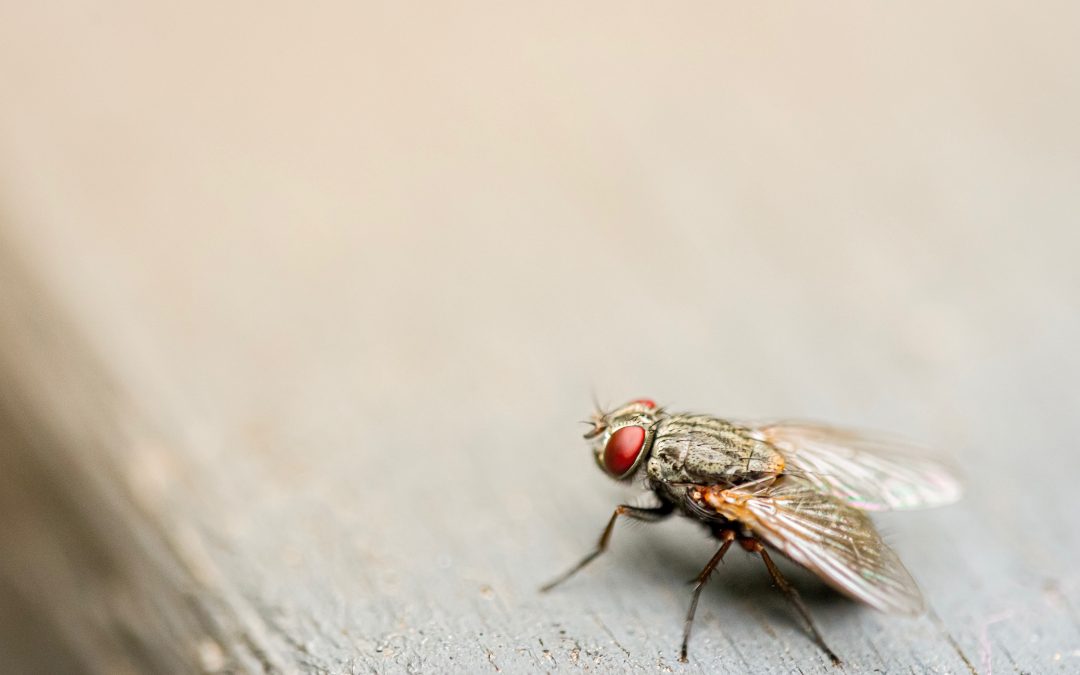
    No matter where you live in Australia, when the weather heats up you’ll be sure to find yourself swatting away pesky flies. From house flies to fruit flies and drain flies, they’ll scavenge for food everywhere, whether it’s garbage, animal droppings or even your lunch.

    And they are more than just a nuisance. They carry germs and contaminate any surface they come into contact with, leading to the spread of diseases such as typhoid and dysentery. With female flies capable of laying over 100 eggs at a time, it doesn’t take long for an outbreak to occur. For more information, visit our warranty page.

    Unfortunately for businesses, especially those who handle food, this can result in poor health and safety compliance, leading to reputation damage and potential fines. Restaurants, cafes and manufacturing facilities are some of those most at risk, but any business that handles or sells food should be on alert.

    To keep fly infestations under control, it’s important to act quickly with effective pest control solutions. At Allstate Pest Control, we provide tailored treatments for homes and businesses to target the source and prevent future outbreaks, helping you stay protected and compliant.

    Types of Flies

    There are many species of flies present in Australia, with varying feeding habits, life cycles and seasonal activity. By determining which species of fly is responsible for an outbreak, this can assist with developing an effective, targeted treatment plan. These are the more common species you’re most likely to encounter:

    House fly
    • Lays 120-130 eggs a time, can take up to 42 days to mature into an adult fly
    • Attracted to food smells
    • Deposits eggs onto decaying material such as garbage, animal waste, sewage, organic plant matter such as compost
    • Rests on walls, floors, ceilings, the ground, plants, fences, compost heaps and rubbish bins
    Bush fly
    • Drawn to large animals, particularly proteins in bodily fluids such as saliva, sweat and tears and animal waste
    • Known to transmit eye infections to humans and livestock
    Fruit fly
    • Attracted to fermenting sugary liquids in waste bins, fruit and vegetables, drains, spills and cracks in floors/other surfaces
    • Commonly found in hospitality settings such as bars, pubs, breweries, vineyards, kitchens, restaurants, fruit and vegetable plants
    Drain Fly
    • Favours rotting food and other organic waste material that builds up in drains, septic tanks and compost
    • Largely resistant a lot of pest control chemicals and cleaning agents
    Blowfly
    • Attracted to and deposits eggs in rotting meat, particularly dead animals such as rodents and birds, as well as food waste from hospitality venues, and occasionally cheese
    Cluster fly
    • Usually found in quieter, less frequented areas such as attics and wall voids
    • Seeks warm places to hibernate in winter
    Fermentation fly
    • Attracted to fermenting bacteria and yeast in rotten fruits and vegetables, as well as alcohol
    • Found in breweries and pubs
    Flesh fly
    • Attracted to decaying food, garbage and animal waste

    Problems caused by flies

    A couple of flies may seem small and harmless, but in the event of an outbreak you may experience the following issues:

    They spread diseases

    Including typhoid, cholera, dysentery, trachoma, poliomyelitis, cutaneous diphtheria, leprosy. Flies transfer germs which they collect as they scavenge for food in filthy places, via small hairs covering their bodies, droppings and vomit.

    They contaminate food and sterile surfaces, resulting in poor hygiene

    Flies are generally attracted to all types of food, particularly those that are decomposing. 

    They’re a general nuisance and distraction

    A large swarm of flies and the constant whirring sound from their wings beating together can disrupt business operations, reduce visibility in the workplace and affect productivity

    Signs of a fly infestation

    If you’re noticing any of the following clues, you may have a major problem on your hands:

    Accumulation of fly droppings

    These appear like clusters of dark spots in places where they frequent or rest. Different species of flies prefer different areas. Try checking the usual places including ceilings, walls and light fittings. You should also pay attention to difficult to clean places such as drains, pipes, sub-floor cavities, gully traps, around sinks and underneath damaged floor tiles.

    Maggots

    Once fly eggs hatch, they become cream coloured larvae, known as maggots, before maturing into an adult fly. This indicates a breeding site is present.

    A large number of flies

    Particularly in areas that can attract flies, brightly lit and water areas. This includes:

    • Food storage/preparation/consumption areas
    • Areas with standing water including gutters, tyres, old machinery, tanks, water butts, potted plants
    • Refuse areas, bins, waste containers, compost and mulch piles can indicate a more serious problem

    Fly outbreaks in businesses

    A swarm of flies in a workplace can be just as dangerous as it is distracting for staff, patrons and customers. An outbreak may act as a deterrent for people to return, while causing damage to your reputation.

    Food and food distribution businesses

    Cafes, restaurants, pubs, service stations and supermarkets are required to adhere to hygiene and cleanliness practices. A fly outbreak would indicate a failure to meet food health and safety regulations and result in trading restrictions as well as heavy penalties.

    Warehouse and manufacturing facilities

    With high volumes of food and stock in a large space, it’s important to have proper food handling, storage and sanitation protocols in place to ensure that flies stay away. If the proper industrial and commercial standards are not met, this can lead to contaminated or damaged goods, stock and equipment, as well as substantial fines.

    How to prevent a fly outbreak

    By taking extra steps to proactively deter flies, you’ll be able to save time and energy on preventing an outbreak. Here are some tips on how you can discourage flies from entering your building:

    Keep food covered and stored away

    Flies are strongly attracted to food odours so it’s important to remove any lingering traces of food smells that can be carried by air currents.

    Clear away waste and spills

    • Tight fitting bin lids keep waste secure
    • Dispose of garbage regularly
    • Remove pet waste
    • Clear away food debris, grease and spills from kitchen benches, table, underneath and around appliances and other dead insects that can attract flies
    • Regularly mop floors and wipe benches and sinks
    • Don’t leave dirty dishes and cutlery lying around

    Maintain drains and fix leaky taps

    • Removing sources of water helps keep flies away
    • Keep drains clean and remove debris and blockages

    Identify and cover entry points

    Fit fly screens over windows, doors and other openings, especially around the kitchen and waste areas

    Keep bird feeders clean

    Remove bird food before dusk

    Remove clutter

    To reduce hiding places and breeding sites

    Ways to control a fly outbreak

    If you want to prevente flies in your building, you can consider the following options:

    Insecticide spray from hardware stores

    • Flying insect aerosols can be applied directly onto the flies.
    • Indoor and outdoor surface sprays in pump packs can be used to cover surfaces. Once a fly comes into contact with the surface, the insecticide is transferred to the fly. Pump packs act as a longer lasting deterrent and can last up to a few months inside

    Fly repellent fan

    Some devices are fitted with holographic blades to scatter light and deter flies.

    Fly traps

    Containers can be purchased from hardware stores, but can also easily be made DIY using jars or bottles filled with sugar, vinegar and water.

    Fly paper

    A sticky adhesive surface embedded with fly attractants can physically trap flies.

    Professional fly prevention

    In business settings, we recommend you don’t take any chances with flies because an outbreak can happen quickly. Allstate’s highly trained technicians are familiar with food standard HACCP, so we can provide professional fly control solutions for your business to ensure that you stay compliant with health and safety regulations. Our fly removal service involves 4 steps:

    Inspection

    Our fly prevention team will come over to perform a visual assessment of the outbreak to determine the best treatment plan.

    Identifying and removing fly attractants 

    We’ll help you to remove potential food sources and breeding sites for flies to see if this fixes the problem. If needed, we’ll also make recommendations for waste management and maintaining good hygiene practices. 

    Applying fly treatment

    For severe outbreaks, our treatments can be applied out of business hours to minimise disruption. We only use AVMPA approved chemicals, which are safe for the environment, children and pets.

    Treatment may include using a combination of sprays, aerosols, fogs, dusting powders and baits.

    For reliable, long-term fly control at commercial and industrial facilities with food handling, we highly recommend installing a fly killer unit.

    Follow-up treatment

    Flies are a constant threat to many food handling businesses and require ongoing monitoring and additional treatment if necessary. 

    Reporting back to you

    We’ll send you a document with important information about your fly outbreak and treatment that you can keep as part of your workplace health and safety management plan. This report is easily accessible for you and your employees for future reference.

    Choose Allstate for a fast and effective fly removal service

    At Allstate, we know that flies can be an ongoing and costly pest for businesses if you fail to get on top of an outbreak.

    If you need professional fly prevention, our highly trained technicians can work around your business hours to assist. Our team not only has a thorough knowledge of food standard HACCP to ensure that you meet health and safety regulations, but we also use treatments that are non-toxic to keep your staff and customers safe.

    Being local to Adelaide, we’re able to recognise the behaviour of the different fly species that are responsible for problems in businesses in the area.

    We service all suburbs in Adelaide, and make sure that we’re available 24/7 for emergency call outs.

    To ensure that your business always stays protected and complaint, we offer a 100% satisfaction money back guarantee on all of our services and products, as well as interest-free payment plans.

    Speak to an Adelaide fly control expert today.

    or

    Your guide to Pest Proof Parties in Adelaide

    Your guide to Pest Proof Parties in Adelaide

    With summer in full swing, it’s always a good time to catch up with family and friends.

    Unfortunately, along with the sunny weather comes pests. From flies and mosquitoes to ants and spiders, even the smallest critters can spoil the party for you and your guests. So it’s a good idea to prepare your home and yard well in advance just in case pesky creatures make an appearance.

    Our Allstate maintenance team understands the importance of cleanliness to preventing pest outbreaks. So that’s why we offer gutter guard cleaning and installation, solar panel cleaning and proofing, pressure washing and roof void cleaning to save you the time and effort.

    For more information on how we can help you prepare for your next event, how to deter pests and tips on what types of pests to look out for, take a look through our guide.

    Common pests found in Adelaide homes

    Learn about the issues caused by an outbreak of flies, mosquitoes, bees and wasps, birds, cockroaches, spiders, ants and rodents

    Ways to keep pests away from your home

    Preventing pests from entering is the best way to protect your home from an outbreak, and here are our recommendations for what you can do

    Property maintenance services

    We offer gutter cleaning and installation, pressure washing, roof void cleaning and solar panel cleaning and proofing to help you get ready for your next party

    Don’t let uninvited pests spoil your next party

    As pest experts, we understand the importance of keeping your home and yard clean to deter pests, which is why we offer property maintenance services

    Need urgent pest control?

    or

    Common pests found in Adelaide homes

    Be aware of these pesky creatures that may be small in size, but can spook your party guests and cause big problems inside and outside your home if left unchecked.

    Flies

    A quintessential part of summer, flies are a notorious seasonal pest. Their unhygienic scavenging and feeding behaviour means that they’ll look for food everywhere – from rubbish bins to your barbecue.

    This means they carry a range of germs, which not only spoil your food, but also spread diseases such as salmonella and hepatitis.

    Here’s some ways to keep them at bay:

    • Keep food and bins covered
    • Wipe up spills immediately
    • Fit fly screens over windows and doors

    Mosquitoes

    The tell-tale whining sound of a mosquito’s flapping wings nearby makes most of us act instinctively to swat it away to avoid getting bitten. This makes perfect sense, given that mosquito bites can transmit serious diseases such as Ross River virus and Barmah Forest virus, which currently have no cure.

    Mosquito bites are itchy, swollen and unattractive looking. They can be even more uncomfortable if you have a mosquito allergy.

    Unfortunately, mosquitoes are most active at dawn, dusk and in the evenings, when you’re likely to be hosting your party.

    So it’s important to make sure you take steps to protect yourself and your guests, including:

    • Move the party indoors and close doors and windows without screens
    • Remove standing water which enables mosquitoes to breed, including buckets, kiddie pools, bird baths and pet water bowls
    • Use insecticide spray
    • Use natural repellents such as eucalyptus and citronella oil scented candles
    • Wear long sleeved clothing and apply insect repellent
    • Use a fan to blow them away

    Bees and Wasps

    Bees and wasps become aggressive and can cause painful stings when they feel threatened, especially when defending their hives and nests.

    You can find bee hives and wasp nests in tree cavities, wall cavities and sometimes even underground. They tend to be more active throughout the warmer months of the year, from October to December.

    Unfortunately, this can be a problem if you’re taking advantage of the sunny weather by holding an outdoor event, so here are some ways to prevent bees and wasps from ruining your plans:

    • Do not go near a bee hive or wasp nest and call pest control
    • Remove all sources of food and sugar from your yard, including pet food and fallen fruit
    • Remove all sources of standing water
    • Place a cover over sugary drinks
    • Set up wasp traps

    Pest control for the home

    With so much of our lives spent at home, it’s essential to keep your house and garden safe from pests. Different kinds of pests prefer different areas of the home and garden, so there’s a chance you’ll be dealing with at least one unwanted guest.

    prevention-icon

    Termites

    prevention-icon

    Ants

    prevention-icon

    Cockroaches

    prevention-icon

    Spiders

    prevention-icon

    Birds

    prevention-icon

    Bed Bugs

    prevention-icon

    Bees & Wasps

    prevention-icon

    Rats & Mice

    prevention-icon

    Possums

    prevention-icon

    Biting Insects

    prevention-icon

    Disinfection Services

    Birds

    Pigeons and other species of pest birds can cause lots of trouble if you’re entertaining outdoors. They can swoop down in large numbers to scavenge food and scraps that are left out in the open, often becoming aggressive and noisy.

    Pest birds leave messy, slippery droppings everywhere, causing a safety hazard and leading to the spread of germs and diseases. This results in contaminated food, damaged buildings and ruined gardens.

    The best way to prevent them from wreaking havoc at your next party is look for signs of a potential outbreak, as it can take some time to prevente them completely. The most obvious clue will be that you’re noticing more droppings than usual.

    To fix a pest bird problem, it’s best to:

    • Remove all potential food and water sources that they have access to
    • Clean the area where they roost as best as you can
    • If the problem persists, call Allstate Pest Control

    Cockroaches

    The sight of a cockroach may be enough to cause guests to leave early at your next party. If you see one, there’s usually many more hiding away. Their unhealthy nesting and feeding habits make them more likely to spread germs and diseases everywhere they crawl. This can cause gastroenteritis and diarrhoea. They can also damage you and your guests’ belongings as their teeth are strong enough to chew through leather, and fabric items such as furniture and clothing.

    Cockroaches are more active at night, so if you’re planning an evening event, be sure to avoid a cockroach problem with these tips:

    • Inspect and repair damaged drains and pipes, check for leaking taps and damp areas as cockroaches thrive in moisture
    • Check inside cupboards and shelves
    • Practice good hand hygiene
    • Keep food preparation and entertaining areas clean
    • Keep food covered

    Spiders

    Messy spider webs are best reserved for Halloween parties only. Seeing a spider crawling along the wall may trigger anxiety in guests with arachnophobia. Although most spider bites are harmless, they still strike fear in many people.

    They’re very good at hiding, but you definitely don’t want them to make an appearance at your next party.

    Here are some ways to reduce the chances of a spider problem:

    • Regularly check dark, isolated areas for spiders and cobwebs
    • Check drains, pipes and toilets
    • Remove piles of debris, wood and leaf litter in your garden
    • Clean frequently indoors and outdoors
    • Remove insects which attract spiders
    • Trim trees, plants and foliage to reduce access

    Ants

    With food and drinks being left out in the open at your party, ants become enticed to march over to claim their share, leading to food contamination. Because of their tendency to scavenge in unhygienic places, such as garbage bins and toilets, ants are exposed to germs such as salmonella and e.coli, so they can easily spread diseases. Furthermore, their bites can sting, cause skin swelling and trigger allergies in some of your guests.

    To avoid an army of ants showing up at your next gathering, you can consider taking the following measures:

    • Cover and store food and drinks properly
    • Fill entry points, including cracks and crevices
    • Ensure food preparation areas are clean
    • Wipe away spills quickly
    • Fix leaking pipes as ants are attracted to moisture

    Rodents

    Having rats and mice scurrying around is a sure fire way to clear out a party quickly. Their droppings and fur contain germs, which contaminate surfaces and food. They can damage buildings and electrical wiring through gnawing with their constantly growing teeth.

    Here’s some ways to stop rodents from causing chaos at your next get-together:

    • Keep your home, garage, attic and yard tidy
    • Identify and seal possible entry points
    • Ensure food is stored away properly

    Concerned about a pest outbreak? Speak to an expert today

    or

    Ways to keep pests away from your party

    The best way to stop a pest outbreak is to prevent them from entering in the first place.

    Here are some of the recommendations we make to our clients to help them stay pest free.

    Regularly clean your home

    Mopping, vacuuming, dusting and washing bed linen, mats and pet bedding are important chores to remove pests and potential sources of food. Keeping storage areas clutter free (including your garage, attic and basement) reduces the number of hiding spots for pests.

    Grow plants which deter insects

    Citronella, mint, lemongrass, basil, lavender and rosemary are thought to discourage insects from coming into your home. However be aware that some of these may be poisonous for pets.

    Keep your yard and garden tidy

    Make your outdoor areas less inviting for pests by properly disposing fallen fruit, pet waste, and piles of leaf litter, debris, wood and vegetation. Mow lawns, trim and prune branches, hedges, excess foliage and vegetation to reduce pest access.

    Proper food storage and handling

    Wash and sanitise your hands before and after handling food, wipe food preparation areas before and after use, ensure utensils and cutlery are clean, dispose of food scraps immediately and store food, including pet food, in sealed containers.

    Regularly check for entry points and seal them off

    Identify and block access points inside, and to kitchen cupboards. Also consider sealing holes and cracks around pipes. You can fill wall crevices, cracks and holes with silicone.

    Install screens over windows and doors, chimneys, vents and water tank openings. Door seals can be fitted to the bottom of doors.

    Practice proper waste disposal and storage

    Dispose of waste regularly, ensure bins have tight fitting lids, avoid open compost heaps and seal your compost bin.

    Remove or cover sources of standing water

    Kiddie pools, pet bowls, bird baths, under flower pots and watering cans contain varying amounts of stagnant water, which attracts insects. You can also cover buckets, water tanks and wheelbarrows. Fill any holes in the yard with soil to avoid pooling water.

    Use diatomaceous earth, chalk and powdery substances

    Sprinkling finely ground matter effectively deters insects such as ants and spiders when applied in hard to reach areas inside the home and around the perimeter of the building. This includes entrances, in between pavers, on lawns and around the edge of the garden.

    Property maintenance services

    To save you time, Allstate can help you prepare for your next event with our property maintenance services. As pest control is our specialty, we’ll also be able let you know if we identify risks and signs of pest problems. We can work around your schedule, and aim to cause as minimal disruption as possible.
    Pressure Washing
    Gutter-Cleaning--After
    roof void cleaning after

    Gutter cleaning and gutter guard installation

    A buildup of pest droppings, debris and leaves in your gutters can lead to rusting and water damage to your home, and cleaning them out yourself just adds another chore to the to-do list. If you’re not so keen on overflowing gutters splashing water all over your guests, then Allstate Pest Control offers a gutter cleaning service. We use an environmentally friendly disinfectant to sanitise and refresh your gutters.

    For further protection to prevent them from accumulating unwanted debris in the future, we also recommend considering a gutter guard installation.

    Roof void cleaning

    Noisy rodents and pest birds can attract more pests including spiders, and leave behind a mess in roof voids. Using a specialised vacuum, our maintenance team can clear out your space fast and if necessary, apply disinfectants to keep it clean and pest-free.

    Pressure washing

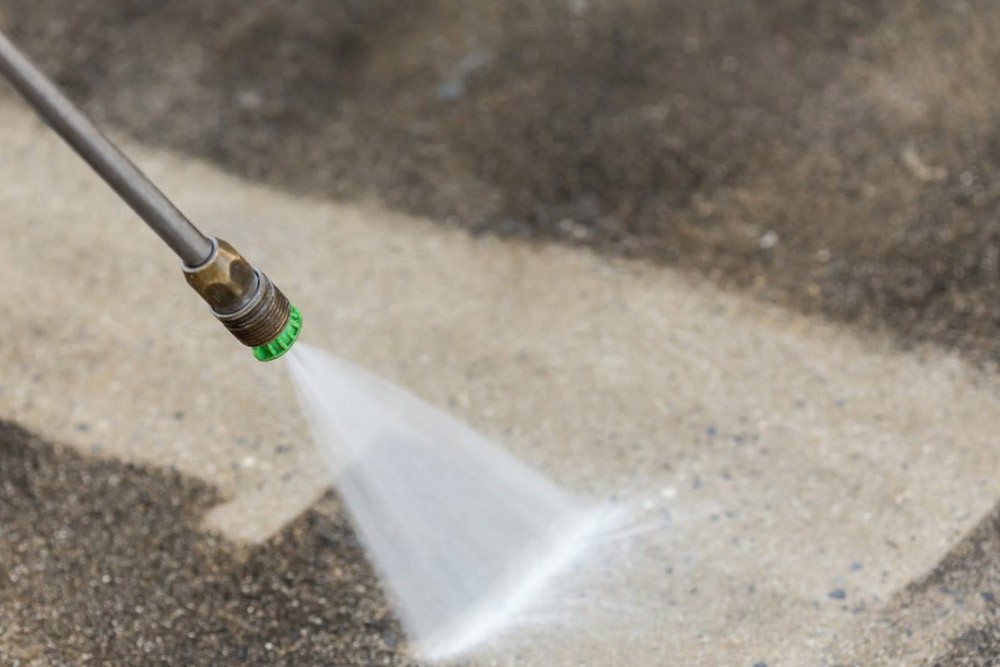
    Whether it’s due to rain, dust, UV, mould, rust or pest droppings, outside surfaces can become worn and tired-looking over time. To avoid permanent damage, and rejuvenate the look of your roof, building exterior, footpaths, pavements and driveways, consider using Allstate’s pressure washing service. Impress your guests with a fast and effective wash that also removes unwanted pests.

    Solar panel cleaning and proofing

    Wear and tear, as well as dirt, grime and bird droppings can cause solar panels to work less effectively. Pest birds also like to nest underneath solar panels, and leave behind a mess which can cause damage to the panels and wiring. Our pest control technicians and maintenance team will work together to remove pest birds, clean the panels and surrounding area, then install a protective wire mesh to prevent the birds from returning and causing further damage.

    Needing home maintenance services before your next event? We can help you today.

    or

    Don’t let uninvited pests spoil your next party


    Heading into warm weather, it’s no surprise that entertaining guests would be at the front of your mind. However, it takes time and effort to prepare your house and yard after a long, cold winter. If you’re needing some help, Allstate offers a range of services to assist you with getting your place tidy and keeping pest free well into the party season.

    We offer payment plans for our pest control services where required, and our maintenance service products are environmentally friendly and non-toxic for people and pets. We understand that your time is valuable so we’re happy to work around your schedule.

    If you need maintenance services and a team with expertise to address your pest concerns and also pre-empt potential problems, we can assist.