





prevention-icon

Termites

prevention-icon

Ants

prevention-icon

Cockroaches

prevention-icon

Spiders

prevention-icon

Birds

prevention-icon

Bed Bugs

prevention-icon

Bees & Wasps

prevention-icon

Rats & Mice

prevention-icon

Possums

prevention-icon

Biting Insects

prevention-icon

Disinfection Services

What Does Rat Poop Look Like? How to Identify and Handle It

What Does Rat Poop Look Like? How to Identify and Handle It

Rats don’t need an invite to settle in, but they sure leave a trail when they do. One of the most telling (and frankly gross) signs of a rat infestation is the sudden appearance of rat poop in places you least expect—under sinks, behind cupboards, or near the pantry. But how do you identify rat poop, and more importantly, what should you do if you find it?

Allstate Pest Control takes a look at the murky world of rat poop, what it can tell you about the rodents living in your space, and how to deal with them safely.

What Does Rat Poop Look Like?

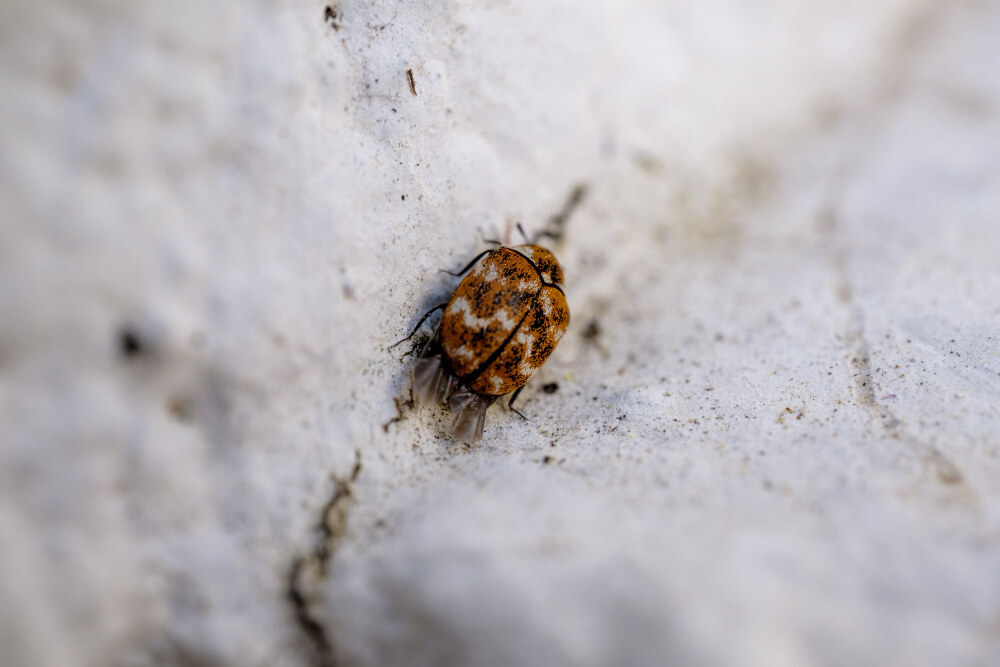
The appearance of rat poop can vary slightly depending on the species, diet, and how fresh the droppings are. Typically, rat feces are:

  • About 12-18 mm long (roughly the size of a grain of rice)
  • Spindle-shaped with rounded or slightly pointed ends
  • Dark brown to black in colour
  • Found in clusters of 30–50 pellets per day (yes, rats poop that much!)

The most common species of rats in Australian homes are the Norway rat and roof rat, and their droppings differ slightly in size and shape. Norway rat poop tends to be blunt at the ends, while roof rat poop is more tapered.

Wondering how big is rat poop compared to other animals? Possum droppings can look similar in size but are usually more clumped together and less tapered. On the other hand, mice droppings are significantly smaller—about 3–7 mm—and more pointed at both ends.

Does Rat Poop Smell?

Yes, and it’s not pleasant. Rat droppings and rat urine emit a strong musky smell, especially when there’s a large number of fresh droppings. That odour can linger in enclosed spaces and may be your first clue that rats are nesting nearby.

In addition to the unpleasant rat poop smell, their waste contains harmful bacteria that can contribute to poor indoor air quality and even pose serious health risks.

Is Rat Poop Dangerous? Understanding the Health Risks

Rat droppings are far from harmless; they can carry diseases and pathogens that pose health risks to both humans and pets. According to the New South Wales Health and other public health sources, exposure to rat faeces can lead to:

  • Rat bite fever: A bacterial infection that can occur through direct contact with rat feces or contaminated food. Symptoms include flu-like symptoms, muscle aches, vomiting, and rash.
  • Leptospirosis: A bacterial disease spread through rat urine or contaminated water. It can lead to kidney or liver damage.
  • Salmonellosis: Spread by contaminated food or water, this infection causes diarrhoea, fever, and stomach cramps.
  • Lymphocytic choriomeningitis (LCMV): A viral disease carried by rodents. Infection can result in neurological symptoms and severe complications during pregnancy.
  • Hantavirus renal syndrome and hemorrhagic fever: Though rare in Australia, these are risks in areas where rodent populations surge.
  • Historical diseases like bubonic plague may seem outdated, but yes, it’s historically linked to rat waste and fleas.

Beyond infectious diseases, rat droppings may trigger allergic reactions or worsen asthma, especially in children. It’s essential to take them seriously.

    Protect your house from a pest outbreak, get expert advice today

    or

    How to Identify Rat Poop in Your Home

    Knowing how to identify rat poop can help you act quickly. Here’s what to look for:

    • Quantity: Rats defecate frequently. Finding a lot of droppings in a small area? That’s a red flag.
    • Location: Find rat poop near food sources, walls, roof voids, or under furniture.
    • Fresh vs old: Fresh rat poop is shiny and soft, while old droppings are dry, crumbly, and dull. This can tell you if the infestation is active.
    • Dropping size: Larger droppings likely mean adult rats, while smaller droppings could mean babies—or mice.

    What To Do When You Find Rat Droppings

    Rat droppings aren’t just gross—they require immediate and safe attention. Here’s how to clean them up without risking your health:

    Step 1: Wear protective gear

    Before handling any animal feces, make sure to put on rubber gloves, a dust mask, and even plastic gloves if needed. This prevents contact with harmful bacteria or airborne particles from dry droppings.

    Step 2: Ventilate the area

    Open windows and doors for at least 30 minutes before cleaning, especially in enclosed spaces.

    Step 3: Do not sweep or vacuum

    Sweeping can spread tiny droplets of bacteria and pathogens into the air. Instead, spray the area with a household bleach or bleach solution (1 part bleach to 10 parts water) and let it sit for 5 minutes.

    Step 4: Wipe and dispose

    Use a paper towel to pick up the droppings, and dispose of it in a plastic bag. Seal it tightly and throw it into a covered garbage bin that’s regularly emptied.

    Step 5: Disinfect

    After removing the droppings, disinfect the area again and wash your hands thoroughly with soap and warm water—even if you were wearing rubber gloves.

      Rat Droppings = Rat Infestation Warning Sign

      One or two droppings may indicate a curious visitor. But clusters? That’s usually a sign of a growing rat infestation. Don’t ignore it.

      Keep an eye out for other signs of rodents too: gnaw marks, musky smell, noises in the roof at night, rat urine stains, or sightings of a dead rodent.

      Rats and mice are most active at night, and they love warm, food-rich environments. Rats love pet food, grains, and crumbs—so keep all food sealed and stored properly.

        How to Get Rid of Rat Droppings and Control Infestations

        Getting rid of rat droppings is only half the job. You also need to get rid of what caused them: the rats themselves.

        At Allstate Pest Control, we help South Australian homes and businesses handle rat infestations safely, quickly, and effectively. Our pest specialists use humane, long-term pest control solutions, including:

        • Safe poison baits when appropriate
        • Sealing entry points
        • Removing attractants
        • Monitoring and rodent droppings checks

        Need a rat or mice removal in Adelaide? We’re available 24/7 for emergencies—because rats don’t stick to business hours.

        Act fast on pests around your warehouse, speak to an expert today

        or

        Frequently Asked Questions About Rat Poop

        What does rat poop look like compared to mice or possum droppings?

        Rat poop is larger (12–18 mm long) while mice droppings are smaller and pointy. Possum droppings are more cylindrical and often mistaken for rat droppings, but they’re usually larger, more clumped, and found outdoors near trees or roofs. Location and shape help differentiate them.

        Is rat poop dangerous to touch?

        Yes. Rat faeces can carry bacteria, viruses, and parasites. Always use rubber gloves and avoid direct contact with the substance. Inhaling dust from dried droppings can also pose serious health risks, such as lymphocytic choriomeningitis (LCMV), which has been reported in Australia and is associated with exposure to rodent droppings and urine in poorly ventilated areas.

        How can I tell if rat poop is fresh or old?

        Fresh rat poop is soft, shiny, and dark. Old droppings look grey, dry, and are easily crushed. The condition of the droppings can indicate if the infestation is still active.

        Where do rats usually leave their droppings?

        Rat droppings are often found near food, in roof spaces, wall cavities, behind kitchen appliances, or along skirting boards. Rats defecate near their nesting and feeding sites.

        What are the safest ways to get rid of rat droppings?

        Use rubber gloves, a paper towel, and a bleach solution. Never vacuum or sweep. Dispose of waste in a sealed plastic bag and disinfect the area thoroughly. Contact us at Allstate Pest Control to remove the rats or mice.

        Choose Allstate for Effective and Long-Lasting Rat Infestation

        Rat droppings might seem like just a mess to clean, but they’re often the first warning sign of something more serious. If you’ve started to find rat poop regularly in your home or business, it’s time to act, not just to clean, but to prevent it.

        Allstate Pest Control has nearly 40 years of experience helping South Australians manage rodents, recover safely from pest infestations, and breathe easier. Got questions? We’re just a call away, 24/7.
        Our expert team is ready to help you now

        or

        How to Get Rid of Carpet Beetles in Your South Australian Home

        How to Get Rid of Carpet Beetles in Your South Australian Home

        Carpet beetles might be tiny, but the damage they cause can be surprisingly big. From chewing through natural fibres to causing skin irritation, these oval-shaped insects are a nuisance and a sign that something deeper is going on inside your home.

        Whether you’ve spotted a few crawling near your window sills, or you’re finding patchy damage on clothes or furniture, learning how to get rid of carpet beetles is the first step to reclaiming your space. In this guide, Allstate Pest Control walks you through everything from carpet beetle larvae to black carpet beetles. Additionally, we’ll see how to treat carpet beetles the right way.

        What Are Carpet Beetles and Why Are They a Problem?

        Carpet beetles are small, oval-shaped insects that belong to the family Dermestidae. In South Australia, the most common types include:

        • Varied carpet beetles
        • Furniture carpet beetles
        • Black carpet beetles

        Adult carpet beetles are often seen near window sills and light sources, but it’s the carpet beetle larvae you really have to watch out for. They’re the ones that cause most of the damage by feeding on natural fibres like wool, silk, leather, fur, feathers, and even animal hair.

        Signs of a Carpet Beetle Infestation

        If you notice any of the following, you could be dealing with a growing carpet beetle infestation:

        • Shedding skins or “husks” from larvae
        • Irregular holes in natural-fibre clothing, upholstery or rugs
        • Live or dead carpet beetles near windows, doors, or vents
        • Small clusters of carpet beetle eggs tucked into dark corners, spider webs, or behind upholstered furniture
        • Signs of skin irritation in sensitive individuals

        Household pests like carpet beetles are considered common pests in South Australian homes, especially during spring and summer when adult carpet beetles are actively breeding.

        Understanding the Life Cycle of Carpet Beetles

        To truly understand how to get rid of carpet beetles permanently, it helps to know their life cycle:

        1. Egg Stage: Females lay eggs in dark, undisturbed areas like inside air vents, under carpets, or in bird nests and dead animals.
        2. Larval Stage: Carpet beetle larvae hatch and begin feeding immediately on larval food such as dead insects, pet hair, wool, and even crumbs in the carpet.
        3. Pupal Stage: After weeks or months of feeding, larvae pupate in hidden spots.
        4. Adult Stage: Adult beetles emerge, usually to mate and find new egg-laying spots. Adults don’t do much damage, but they can still attract carpet beetles into your home.

          Protect your home from a pest outbreak, get expert advice today

          or

          How to Get Rid of Carpet Beetles Naturally

          If you’re looking for how to get rid of carpet beetles naturally, that’s fine and you’re not alone. Many South Australian families prefer low-impact methods before resorting to chemical or professional treatments. Here’s where to begin:

          1. Vacuum Regularly and Thoroughly

          Start by vacuuming every surface possible, especially:

          • Under rugs and carpets
          • Around furniture joints
          • Inside wardrobes and closets
          • Along baseboards and skirting

          Pay extra attention to areas where larvae prefer – dark, undisturbed zones. Dispose of the vacuum bag or empty the canister outdoors to avoid reinfestation.

          2. Use Hot Water and Steam Cleaning

          Hot water washes (above 60°C) are effective in handling both carpet beetle eggs and larvae. For non-washable surfaces, consider steam cleaning rugs, curtains, and furniture.

          3. Seal Cracks and Use Insect Screens

          Block out future beetles by sealing entry points and installing insect screens over vents and windows. Also, check for and remove any nearby bird nests or dead insects, which can be hidden sources of infestation.

          4. Store Clothes and Fabrics Properly

          Store off-season clothing in airtight containers, and avoid keeping natural fibres exposed for long periods, especially in storage rooms, lofts, or garages.

          How to Get Rid of Carpet Beetles Permanently

          When natural methods aren’t enough, professional treatment may be necessary to get rid of carpet beetles completely. Here’s a multi-step approach that can help:

          1. Identify and Remove Sources

          Locate and remove anything that could serve as a larval food source: old wool blankets, dead skin or pet hair buildup, or infested items from secondhand furniture.

          2. Targeted Use of Insecticide Sprays

          In South Australia, registered low-toxicity insecticide sprays can be used to treat areas where carpet beetles lay their eggs or where larvae feed. Always follow label instructions and never apply directly to clothing or bedding.

          3. Professional Pest Control Services

          If the infestation persists or spreads quickly, calling in carpet beetle experts like Allstate Pest Control can save you time and stress. With years of experience managing carpet beetle control in South Australian homes and businesses, our team uses safe, effective solutions tailored to your situation, especially when dealing with stubborn black carpet beetles or recurring outbreaks.

            Preventing Future Carpet Beetle Infestations

            Once you’ve dealt with the problem, don’t stop there. Prevent carpet beetles from coming back with these ongoing steps:

            • Vacuum regularly, especially in corners, under furniture, and behind storage areas
            • Avoid clutter that lets larvae enjoy dark spots to thrive
            • Keep pet bedding clean and washed weekly
            • Store wool, leather, and silk items in sealed containers
            • Inspect secondhand furniture before bringing it home
            • Check light fixtures, as adult carpet beetles are attracted to light
            1.  

            Frequently Asked Questions

            What is the fastest way to get rid of carpet beetles?

            The quickest way is to combine deep cleaning, hot water or steam cleaning, and targeted pest control treatments. If the infestation is widespread, professional services from Allstate Pest Control can speed up results.

            Will vacuuming get rid of carpet beetles? 

            Vacuuming alone may not completely get rid of carpet beetles, but it’s essential for removing larvae, eggs, and potential food sources. It should be part of your ongoing prevention routine.

            What do carpet beetles hate the most?

            They dislike disruption, hot water, light, and clean environments. They also avoid strong-smelling natural deterrents like cedarwood and eucalyptus, though these work best alongside cleaning and sealing.

            How do I know if I have a carpet beetle infestation?

            Watch for signs like damaged natural fabrics, cast-off larvae skins, adult beetles around window sills, or small brown or black bugs crawling indoors.

            Can I get rid of carpet beetles without chemicals?

            Yes, using steam cleaning, vacuuming, and hot water washing can reduce small infestations. But for larger or persistent cases, professional carpet beetle control is more effective.

            Trust South Australia’s Pest Prevention Experts

            Carpet beetles are sneaky and ruinous, but with the right approach, you can protect your home. Whether you’re dealing with a mild case of furniture carpet beetles or a full-blown carpet beetle infestation, Allstate Pest Control is here to help. Call us today for a free inspection, quote and advice tailored to your home or business.

            Our expert team is ready to help you now

            or

            How to Get Rid of Cockroaches

            How to Get Rid of Cockroaches

            Finding one cockroach in your home is unsettling. Finding more is a clear sign that something’s brewing behind the walls, under the sink, or inside your pantry. Whether it’s the German cockroach darting across your tiles or the big, noisy Australian cockroach flying at your light, nobody wants to share their home with these bugs.

            So, let’s talk about it: how to get rid of cockroaches. In this guide, Allstate Pest Control will cover how to deter cockroaches naturally, prevent future issues, and handle severe cockroach infestations without relying on harmful chemicals.

            What Attracts Cockroaches Into Your Home?

            Before you can win the war, you need to understand the enemy. Cockroaches are incredibly adaptive. They don’t just turn up for a visit, and they’re not picky. They’re here because your home offers something better than what’s outside. That could be:

            • Food crumbs behind the fridge
            • Pet food left out overnight
            • Leaky pipes under the sink
            • Garbage bins without lids
            • Or even just warm, dark places behind electrical appliances

            Put simply, cockroaches come looking for survival essentials—and the average household offers plenty of those, even when we think things are clean.

            You don’t need to be “dirty” to attract cockroaches. Even clean homes can provide the moisture and shelter they love, especially in humid environments like bathrooms, laundries, or poorly ventilated kitchens.

            Cockroach Control 101: Spot the Signs Early

            The earlier you notice them, the easier it is to deal with them.

            Look out for:

            • Droppings: Tiny black specs that resemble pepper or coffee grounds.
            • Egg cases (oothecae): Brown, capsule-like cases often found in corners or behind furniture.
            • A strong, musty smell: Large roach infestations produce a distinct odour.
            • Live sightings: Especially in kitchens, bathrooms, and laundry areas at night.

            If you suspect cockroaches in your home, act fast. A small problem can multiply into hundreds in just a few weeks.

            Best Way to Get Rid of Cockroaches: Proven Methods That Work

            Let’s walk through the most effective and safe cockroach control techniques used in South Australian homes.

            1. Use Bait Stations Strategically

            Bait stations contain attractants mixed with slow-acting substances that cockroaches bring back to the nest. They help manage active cockroaches and gradually reduce the population.

            Place bait stations:

            • Along walls
            • Under the fridge and dishwasher
            • Inside cabinets and near plumbing

            Avoid placing them where you’ve used surface sprays, as that can repel the cockroach before it feeds on the bait.

            2. Try Boric Acid (But Use with Caution)

            Boric acid is one of the most recommended home solutions by pest experts. It sticks to the cockroach’s body and is later ingested during grooming.

            How to apply:

            • Lightly dust boric acid behind appliances, in cracks, and under the sink.
            • Avoid areas with children or pets.

            3. Use Baking Soda and Sugar Mix

            Surprisingly effective, baking soda works as a homemade trap when combined with sugar.

            • Mix equal parts sugar and baking soda.
            • Place them in shallow dishes around areas prone to cockroaches.
            • Sugar attracts them; baking soda reacts with their digestive system.

            It’s a simple, pet-safe method worth trying before opting for commercial products.

            4. Apply Diatomaceous Earth

            Diatomaceous earth is a fine, natural powder made from fossilised algae. It damages the cockroach’s exoskeleton, drying it out over time.

            • Use food-grade only.
            • Sprinkle around baseboards, behind stoves, and anywhere they might crawl.

            While slow-acting, it’s a reliable option for those avoiding harsh chemicals.

              Protect your warehouse from a pest outbreak, get expert advice today

              or

              How to Get Rid of Cockroaches Naturally

              For homes with pets, kids, or those who prefer eco-safe options, here are some natural cockroach deterrents that work.

              1. Essential Oils

              Cockroaches hate strong scents. Use oils like:

              • Peppermint oil
              • Eucalyptus oil
              • Lavender oil

              Mix 10 drops with water in a spray bottle. Use this around doorways, windowsills, and under cabinets to repel cockroaches.

              2. Bay Leaves

              A traditional and underrated hack. Bay leaves have a scent that cockroaches generally dislike. Scatter a few in pantry corners or behind appliances.

              3. Coffee Grounds

              Used coffee grounds can act as both an attractant and a trap. Place grounds inside a jar lined with Vaseline on the inside. Roaches climb in and can’t get out.

              Prevent Cockroaches From Returning

              Prevention is the real long-term solution. Once you’ve handled the cockroach infestation, keep these habits:

              • Fix leaky pipes and remove sources of excess moisture.
              • Empty garbage bins regularly and use lids.
              • Don’t leave food out, even pet bowls.
              • Seal cracks and gaps near skirting boards and walls.
              • Store dry food in airtight containers.
              • Vacuum and clean regularly—especially behind stoves, dishwashers, and cupboards.

              According to the Australian Environmental Pest Managers Association (AEPMA), integrated pest management (IPM) is the gold standard, combining cleanliness, exclusion, and targeted controls.

              Know Your Roaches: Australian, American, and German Species


              There are over 450 species of cockroaches in Australia, but only a few make it indoors.

              German Cockroach

              Small, light brown, fast breeders. Common in kitchens. They thrive in areas with warmth and moisture. Often, the toughest to control without professional help.

              Australian Cockroach

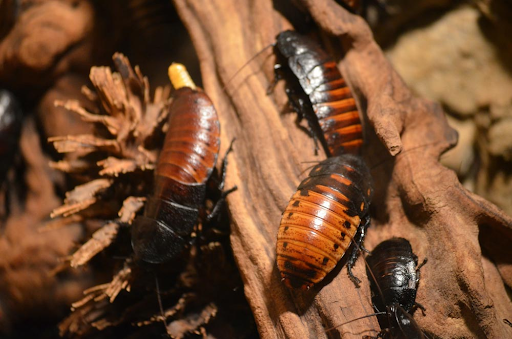
              Large and reddish-brown with yellow markings. Prefer outdoors but enter homes during dry seasons or heavy rains.

              American Cockroach

              Also large and reddish. Often found in crawl spaces, basements, or sewer lines. Known for flying and scaring the daylights out of people.

              Each type has different behaviours, which means tailored, professional treatment works best.

              When to Call in the Experts

              If you’re seeing cockroaches even after trying all the methods above, it’s time to get help. A pest control expert can assess where they’re hiding, what species you’re dealing with, and how severe the problem is.

              At Allstate Pest Control, we offer safe, fast, and reliable cockroach control across South Australia. Whether it’s a few persistent roaches or a full-blown roach infestation, we’ve got proven methods to help you regain your space, without overloading your home with chemicals.

              Frequently Asked Questions

              What’s the best way to get rid of cockroaches fast? 

              Using bait stations combined with sealing food and moisture sources is often the most effective way. If the infestation is large, professional pest control is recommended.

              Can I get rid of cockroaches naturally?

              Yes. Baking soda, boric acid, essential oils, and even coffee grounds are popular home remedies. These work best for small infestations.

              Why do cockroaches keep coming back?

              They return when food, water, and shelter are still available. Regular cleaning, sealing gaps, and removing leftover food are key to cockroach control.

              Do essential oils really work to deter cockroaches?

              Yes, especially peppermint and eucalyptus. They act as a natural cockroach deterrent, but should be used consistently.

              Is it safe to use boric acid around pets? 

              Not really. While effective, boric acid can be harmful to pets if ingested. Always use in inaccessible areas or try diatomaceous earth as a safer alternative. Or better still, call in a pest control expert for professional cockroach treatment.

              Our expert team is ready to help you now

              or