





If you’re unsure which pest you’re dealing with, Allstate Pest Control can inspect your property and confirm the species before damage spreads
Why Ants and Termites Are Often Confused
Both insects:
- Live in colonies
- Have worker and reproductive castes
- Can swarm during warmer months
- Are similar in size
However, termites are more closely related to cockroaches, while ants belong to the wasp and bee family. Their behaviour, diet and impact on homes are very different.
Termites
Termites are one of Australia’s most destructive household pests. In many cases, damage is discovered months or even years after a colony settles inside a structure.
Termite Characteristics
- Feed on cellulose (found in timber, paper, cardboard and plant material)
- Live in large, organised colonies
- Avoid light and open air
- Build mud tubes to travel between soil and food sources (common with subterranean termites)
In Australia, subterranean termites are the most common species found in homes. They build nests underground and enter properties through cracks in slabs, expansion joints or timber in contact with soil.
Keep damaging pests away from your restaurant. Get expert advice today.
 or
or
 or
orWhat Do Termites Look Like?
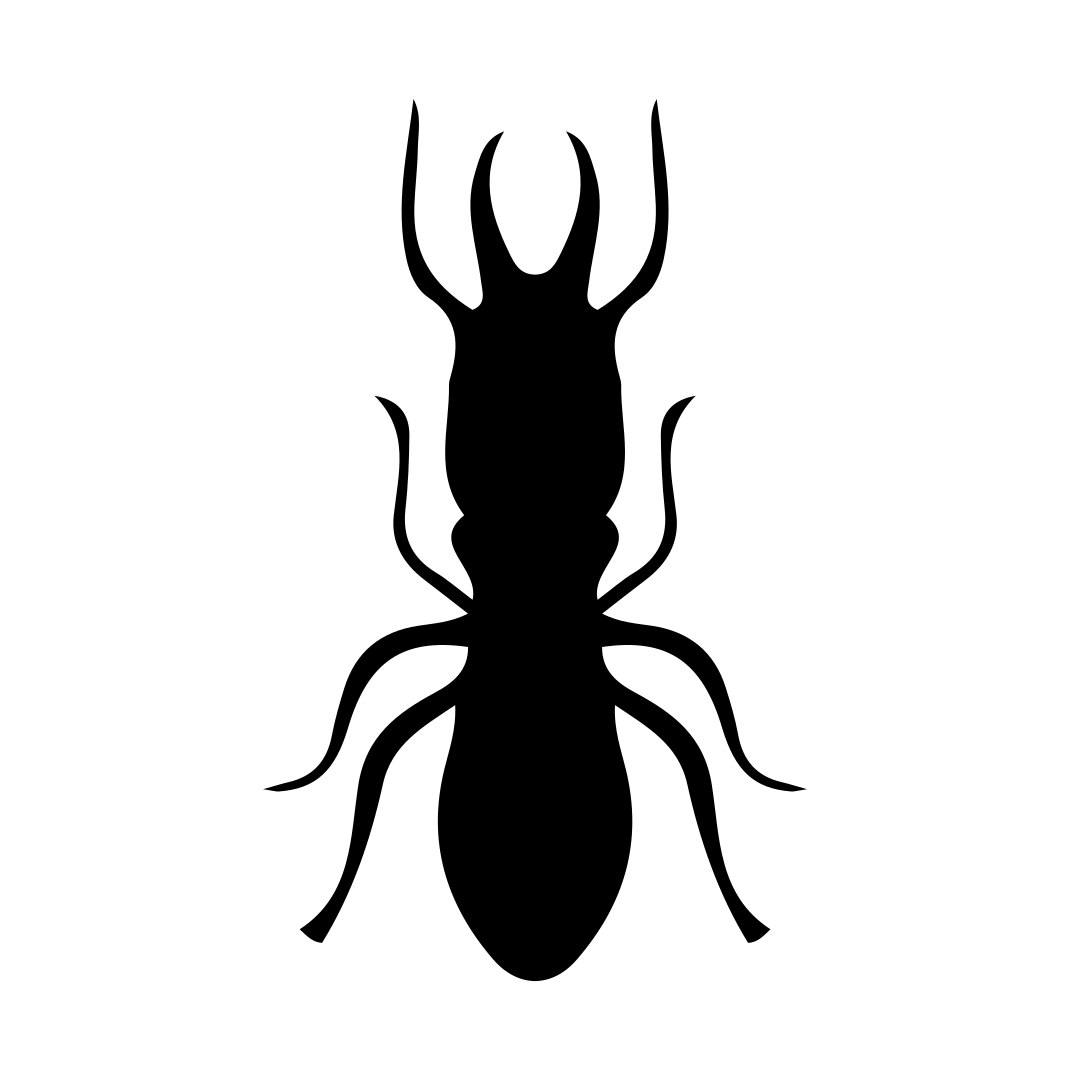
You can identify termites by these features:
- Light cream or white body
- Straight antennae
- Thick, straight waist (no narrow “pinched” section)
- Soft-bodied appearance
- Winged termites (alates) have two pairs of wings equal in size
Swarming termites are often mistaken for flying ants. The wing size difference is one of the clearest ways to tell them apart.
Protect your family from wasps. Speak to an expert today.
or
Termite Castes
Like ants, termites operate within a structured colony system.
1. Worker Termites
- Male and female
- Make up the majority of the colony
- Gather food and feed other castes
- Responsible for structural timber damage
2. Soldier Termites
- Male and female
- Large head with strong jaws
- Defend the colony from predators
- Rely on workers for feeding
3. Winged Termites
- Reproductive termites
- Swarm in spring and summer
- Shed wings after finding a place to establish a new colony
Seeing discarded wings around windows or door frames is often the first visible sign of a termite problem.
Ants
Ants are common in Australian homes, especially during warmer months. Most species search widely for food and are attracted to sugary or greasy substances.
While many ants are a minor annoyance, certain species such as carpenter ants can damage timber.
What Do Ants Look Like?
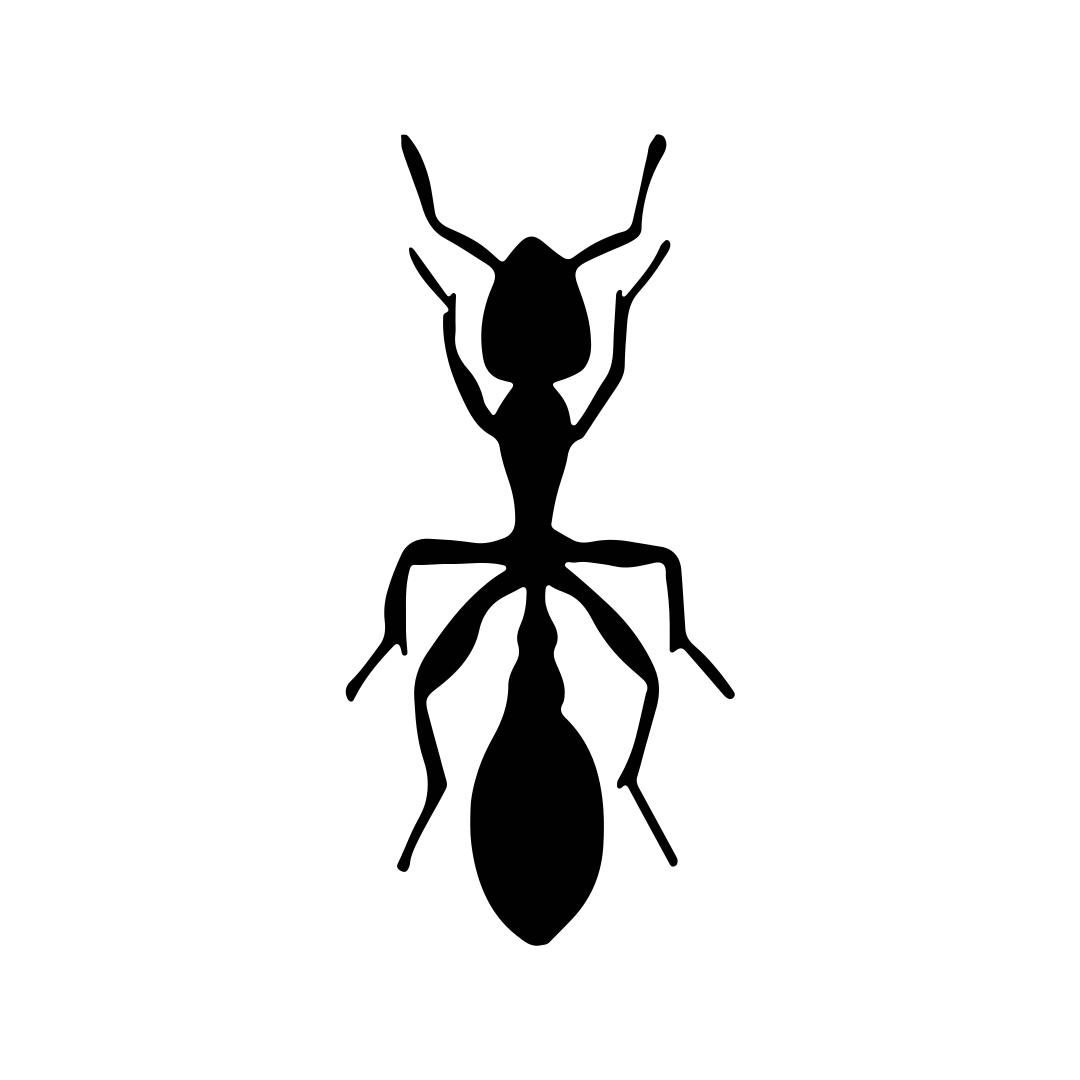
Ants have several distinct features:
- Dark brown, red or black colour (varies by species)
- Elbowed antennae
- Visible eyes
- Body divided into three segments: head, thorax and gaster
- Narrow, pinched waist
- Winged ants have two pairs of wings that differ in size
The thin waist is the quickest way to tell an ant from a termite.
Ant Castes
Ant colonies also have structured roles.
Worker Ants
- All female
- Care for young
- Gather food
- Maintain and expand the nest
Soldier Ants
- Present in some species
- Larger head and jaws
- Protect the colony
- Assist in carrying large food items
Flying Ants
- Reproductive females
- Leave the nest in warm weather
- Shed wings after mating
Winged Drones
- Male ants
- Mate with queens
- Die shortly after reproduction
Carpenter Ants vs Termites
Carpenter ants are often confused with termites because both are found in timber.
The difference:
- Termites eat timber as a food source.
- Carpenter ants do not eat timber. They tunnel through damp or decaying wood to build nests.
One clear sign of carpenter ants is small piles of wood shavings (frass) near entry points. Termites consume the wood and instead leave mud-lined galleries.
Quick Comparison: Ants vs Termites
| Feature | Termites | Ants |
| Colour | Cream/white | Brown, black or red |
| Antennae | Straight | Elbowed |
| Waist | Thick | Narrow/pinched |
| Wings | Equal length | Front wings longer |
| Diet | Cellulose (timber) | Sugars, proteins, fats |
| Damage Risk | High structural damage | Usually minor (except carpenter ants) |
Signs You May Have Termites
- Mud tubes along walls or foundations
- Hollow-sounding timber
- Tight-fitting doors or windows
- Discarded wings indoors
- Bubbling paint or sagging timber
Termites work quietly behind walls, so visible signs often appear late.
Signs of an Ant Infestation
- Visible trails along walls or benches
- Nesting in wall cavities or gardens
- Small soil mounds outdoors
- Wood shavings (carpenter ants)
Ant problems are typically easier to spot than termite activity.
When to Call Allstate Pest Control
If you notice flying insects inside your home, mud tubes, hollow timber or unexplained wood damage, arrange a professional inspection promptly.
Allstate Pest Control provides:
- Licensed termite inspections
- Detailed reporting
- Treatment options tailored to Australian conditions
- Ongoing termite management plans
Early detection helps reduce the risk of major structural repairs.
Why Correct Identification Matters
Treatments for ants and termites are completely different.
- Ant infestations often require baiting and targeted surface treatments.
- Termite management involves detailed inspections, moisture control, soil treatment systems or baiting programs.
Misidentifying termites as ants can delay treatment and increase repair costs.
Frequently Asked Questions
Are termites worse than ants?
Yes. Termites can compromise the structural integrity of a home, while most ants are considered nuisance pests.
Do flying ants mean I have termites?
Not necessarily. Wing size and waist shape help distinguish them. A professional inspection provides certainty.
Can I treat termites myself?
DIY sprays are not effective against established termite colonies. Professional assessment and treatment are required.